Cognitive Functional Therapy in managing low back pain

"An illustration depicting a serene therapy session focused on Cognitive Functional Therapy (CFT) for chronic low back pain. Show a calm and inviting therapy room, where a patient and a therapist engage in discussion and gentle movement exercises. Include elements like a yoga mat, comfortable seating, and visual aids illustrating body mechanics. The patient, a middle-aged individual, demonstrates a relaxed demeanor, reflecting hope and engagement. The therapist, a compassionate professional, is guiding the patient with supportive gestures, fostering a sense of empowerment and healing."

Chronic low back pain is a prevalent issue faced by individuals globally, significantly impacting their quality of life. It can arise from various factors, including underlying health conditions, poor lifestyle choices, and previous surgeries. For those who have undergone spinal surgery, the journey to recovery can be particularly challenging. Recent research sheds light on innovative therapeutic approaches that may offer relief. A recent randomized controlled trial (RCT) has compared cognitive functional therapy (CFT) to traditional core exercises and manual therapy (CORE-MT). The findings indicate that CFT might be a more effective option for alleviating pain and enhancing functional outcomes in patients recovering from spinal surgery. Understanding Chronic Low Back Pain Chronic low back pain is characterized as pain that persists for more than three months. It can be caused by a variety of factors, including injury, degenerative diseases, and underlying conditions. In many cases, individuals with chronic pain experience limitations in their daily activities, affecting work, physical health, and mental well-being. While surgical interventions may provide a solution for some, they don’t always guarantee relief, leaving many patients grappling with persistent pain after their procedures. The Approach: Cognitive Functional Therapy Cognitive Functional Therapy (CFT) merges cognitive behavioral therapy principles with physical rehabilitation techniques. This therapy focuses on understanding the individual’s pain experience and modifying behaviors and thoughts that contribute to their pain. The essence of CFT lies in helping patients reconceptualize their pain, promoting greater self-efficacy and active participation in recovery. Comparing Treatment Modalities: CFT vs. CORE-MT The RCT conducted in Santa Catarina, Brazil, involved 80 participants aged 18 to 75 who had experienced chronic low back pain following spinal surgery. Participants were randomly assigned to receive either CFT or a combination of core exercises and manual therapy (CORE-MT) over a maximum period of 12 weeks. Primary Outcomes: The study measured two main outcomes: pain intensity and functional improvement. Pain intensity was assessed using a numeric pain rating scale ranging from 0 (no pain) to 10 (worst pain imaginable). Functional improvement was evaluated using the patient-specific functional scale, also scored from 0 to 10. Findings: CFT Outperforms CORE-MT The study’s results revealed several compelling insights: https://fuelforlife365.com/ The Implications for Patients With the evidence suggesting that CFT is more effective than traditional CORE-MT approaches, patients recovering from spinal surgery may consider this integrated approach to manage chronic low back pain. Potential Benefits: You can Visit For More Information Here Conclusion The recent trial highlights the need for innovative therapies for chronic low back pain, especially in post-surgical patients. Cognitive Functional Therapy (CFT) is an effective option. It addresses both physical and psychological aspects of pain, aiding healing and improving well-being. Patients with chronic pain after surgery should discuss the benefits of CFT with their healthcare providers. A holistic pain management approach can empower patients in their recovery and enhance their quality of life. Chronic low back pain poses challenges, but therapies like CFT offer hope for effective management. Ongoing research on chronic pain complexities will likely promote the integration of cognitive and physical therapies in rehabilitation. Final Thoughts If you or someone you know is struggling with chronic low back pain after spinal surgery, exploring options like Cognitive Functional Therapy could be a transformative step in the recovery journey. Awareness and the willingness to embrace new treatment modalities can pave the way for a brighter, pain-free future.


Nourish to Flourish: Prevent Type 2 Diabetes by Food Groups

Preventing type 2 diabetes is a crucial health goal for many, given the condition's rising prevalence and significant impact on overall well-being. One of the most effective strategies lies in understanding how different food groups influence our risk levels. By focusing on what we eat, we can make informed choices that promote better blood sugar control and overall health. This blog will explore the specific food groups that can help reduce the risk of developing type 2 diabetes, providing practical insights and actionable tips to incorporate these beneficial foods into your diet. Whether you’re looking to prevent diabetes or simply improve your eating habits, understanding the role of food groups is essential for fostering a healthier lifestyle. In recent years, the rising prevalence of type 2 diabetes mellitus (T2D) has become a major global health concern. With the World Health Organization estimating that over 422 million people worldwide are living with this condition, understanding the factors that contribute to T2D risk is more important than ever. One significant factor that plays a crucial role in our risk of developing T2D is our diet. A systematic review and meta-analysis conducted by researchers, including Lukas Schwingshackl and colleagues, provides insightful findings on the relationship between diet and T2D risk. Their comprehensive study explored the impact of 12 major food groups on the likelihood of developing type 2 diabetes. The results were eye-opening and can guide us in making informed dietary choices. https://fuelforlife365.com/ The Food Groups in Focus The study systematically reviewed prospective studies examining the effects of whole grains, refined grains, vegetables, fruits, nuts, legumes, eggs, dairy, fish, red meat, processed meat, and sugar-sweetened beverages (SSB). The conclusions drawn from the analysis shed light on which foods may help reduce T2D risk and which ones could potentially increase it. Foods Linked to a Decreased Risk of T2D 1. Whole Grains: Increasing your intake of whole grains has been consistently associated with a lower risk of developing T2D. Whole grains are packed with nutrients and fiber, which help regulate blood sugar levels and improve satiety. 2. Fruits: Fruits are rich in vitamins, minerals, and antioxidants, making them an essential part of a healthy diet. The research indicates that higher fruit consumption can significantly reduce T2D risk, thanks to their natural sugars and fiber content. 3. Dairy: Consuming dairy products, particularly low-fat varieties, may also contribute to a lower risk of T2D. Dairy is a source of calcium and can be beneficial for maintaining healthy bone and metabolic health. Foods Linked to an Increased Risk of T2D 1. Red Meat: The analysis highlighted that higher consumption of red meat is associated with an increased risk of developing type 2 diabetes. It’s worth considering moderation and opting for leaner sources of protein. 2. Processed Meat: Processed meats, such as sausages and deli meats, also showed a concerning association with increased T2D risk. These products are often high in saturated fats and preservatives, which may contribute to insulin resistance. 3. Sugar-Sweetened Beverages (SSB): Perhaps the most alarming finding is the strong correlation between the intake of sugar-sweetened beverages and T2D risk. These drinks are high in added sugars and calories, leading to weight gain and increased blood sugar levels. For More Information Visit Here The Importance of Balance The study concluded that optimal consumption of risk-decreasing foods can lead to a 42% reduction in the risk of T2D, while consumption of risk-increasing foods may triple the likelihood of developing this condition. This evidence emphasizes the idea that what we eat matters significantly in the context of our health. Making Informed Choices While the results of this meta-analysis are compelling, it's essential to remember that diet is just one factor in the complex puzzle of diabetes prevention. A holistic approach that includes regular physical activity, maintaining a healthy weight, managing stress, and regular health check-ups is equally vital. Final Thoughts As we dive deeper into the nuances of how specific foods impact our health, it becomes increasingly clear that our dietary choices shape our wellbeing. By emphasizing whole grains, fruits, and dairy in our meals while limiting red meat, processed meat, and sugary drinks, we can take significant strides toward reducing our risk of developing type 2 diabetes. So let’s make conscious choices to nourish our bodies and empower ourselves to lead healthier lives. After all, every small change can make a big difference!

Preventing type 2 diabetes is a crucial health goal for many, given the condition’s rising prevalence and significant impact on overall well-being. One of the most effective strategies lies in understanding how different food groups influence our risk levels. By focusing on what we eat, we can make informed choices that promote better blood sugar control and overall health. This blog will explore the specific food groups that can help reduce the risk of developing type 2 diabetes, providing practical insights and actionable tips to incorporate these beneficial foods into your diet. Whether you’re looking to prevent diabetes or simply improve your eating habits, understanding the role of food groups is essential for fostering a healthier lifestyle. In recent years, the rising prevalence of type 2 diabetes mellitus (T2D) has become a major global health concern. With the World Health Organization estimating that over 422 million people worldwide are living with this condition, understanding the factors that contribute to T2D risk is more important than ever. One significant factor that plays a crucial role in our risk of developing T2D is our diet. A systematic review and meta-analysis conducted by researchers, including Lukas Schwingshackl and colleagues, provides insightful findings on the relationship between diet and T2D risk. Their comprehensive study explored the impact of 12 major food groups on the likelihood of developing type 2 diabetes. The results were eye-opening and can guide us in making informed dietary choices. https://fuelforlife365.com/ The Food Groups in Focus The study systematically reviewed prospective studies examining the effects of whole grains, refined grains, vegetables, fruits, nuts, legumes, eggs, dairy, fish, red meat, processed meat, and sugar-sweetened beverages (SSB). The conclusions drawn from the analysis shed light on which foods may help reduce T2D risk and which ones could potentially increase it. Foods Linked to a Decreased Risk of T2D 1. Whole Grains: Increasing your intake of whole grains has been consistently associated with a lower risk of developing T2D. Whole grains are packed with nutrients and fiber, which help regulate blood sugar levels and improve satiety. 2. Fruits: Fruits are rich in vitamins, minerals, and antioxidants, making them an essential part of a healthy diet. The research indicates that higher fruit consumption can significantly reduce T2D risk, thanks to their natural sugars and fiber content. 3. Dairy: Consuming dairy products, particularly low-fat varieties, may also contribute to a lower risk of T2D. Dairy is a source of calcium and can be beneficial for maintaining healthy bone and metabolic health. Foods Linked to an Increased Risk of T2D 1. Red Meat: The analysis highlighted that higher consumption of red meat is associated with an increased risk of developing type 2 diabetes. It’s worth considering moderation and opting for leaner sources of protein. 2. Processed Meat: Processed meats, such as sausages and deli meats, also showed a concerning association with increased T2D risk. These products are often high in saturated fats and preservatives, which may contribute to insulin resistance. 3. Sugar-Sweetened Beverages (SSB): Perhaps the most alarming finding is the strong correlation between the intake of sugar-sweetened beverages and T2D risk. These drinks are high in added sugars and calories, leading to weight gain and increased blood sugar levels. For More Information Visit Here The Importance of Balance The study concluded that optimal consumption of risk-decreasing foods can lead to a 42% reduction in the risk of T2D, while consumption of risk-increasing foods may triple the likelihood of developing this condition. This evidence emphasizes the idea that what we eat matters significantly in the context of our health. Making Informed Choices While the results of this meta-analysis are compelling, it’s essential to remember that diet is just one factor in the complex puzzle of diabetes prevention. A holistic approach that includes regular physical activity, maintaining a healthy weight, managing stress, and regular health check-ups is equally vital. Final Thoughts As we dive deeper into the nuances of how specific foods impact our health, it becomes increasingly clear that our dietary choices shape our wellbeing. By emphasizing whole grains, fruits, and dairy in our meals while limiting red meat, processed meat, and sugary drinks, we can take significant strides toward reducing our risk of developing type 2 diabetes. So let’s make conscious choices to nourish our bodies and empower ourselves to lead healthier lives. After all, every small change can make a big difference!

Yoga and Dietary Tips For Kidney Disease (PKD)

cat cow pose

Polycystic Kidney Disease (PKD) is a genetic disorder that affects millions of people worldwide. It’s a condition that can be challenging, but understanding its aspects can empower those affected to take charge of their health. In this blog, we’ll explore what PKD is, highlight its symptoms, discuss the benefits of yoga, and provide a dietary plan to enhance kidney health. What is Polycystic Kidney Disease (PKD)? Polycystic Kidney Disease (PKD) is a genetic disorder characterized by the formation of numerous fluid-filled cysts within the kidneys. These cysts can grow and multiply over time, causing the kidneys to enlarge and potentially leading to impaired kidney function. In severe cases, PKD can result in kidney failure. Types of Polycystic Kidney Disease: Symptoms of PKD: While many individuals with PKD may be asymptomatic for years, common symptoms can include: Importance of Early Diagnosis and Management: Although PKD can lead to severe complications and an increased risk of kidney failure, early diagnosis can significantly improve management options and quality of life. Regular monitoring of kidney function, blood pressure management, and lifestyle modifications can help slow the progression of the disease. With appropriate care, individuals with PKD can lead fulfilling lives while managing the impact of this condition on their health. Conclusion: Understanding PKD is essential for those affected by the disorder, their families, and healthcare providers. Awareness of the symptoms and types of PKD can facilitate earlier diagnosis and proactive management strategies, ultimately enhancing quality of life for patients living with this genetic condition. If you suspect that you or a loved one may have PKD, it’s vital to consult with a healthcare professional for a thorough evaluation and tailored management plan. The Benefits of Yoga for Polycystic Kidney Disease (PKD) Yoga is not just a physical exercise; it is a holistic practice that encompasses the mind, body, and spirit. For individuals living with Polycystic Kidney Disease (PKD), incorporating yoga into their daily routine can provide numerous benefits that help manage both the physical and emotional challenges associated with the condition. Below are five key benefits of practicing yoga for those affected by PKD: 1. Stress Reduction Living with a chronic illness can lead to significant stress and anxiety. Stress is known to exacerbate kidney issues, making effective stress management essential. Yoga promotes relaxation through mindfulness and deep breathing exercises. Techniques such as pranayama (breathing exercises) not only help reduce stress levels but also improve oxygen flow and enhance overall mental clarity. By incorporating restorative practices, individuals can cultivate a sense of peace and balance in their lives. 2. Improved Circulation Certain yoga postures enhance blood circulation, which is vital for maintaining healthy kidney function. Improved blood flow ensures that the kidneys receive an adequate supply of oxygen and nutrients while promoting the efficient removal of toxins from the body. Poses that involve stretching and opening the body, such as forward bends and twists, can stimulate the kidneys and support their functioning. 3. Strength and Flexibility Regular yoga practice helps build overall body strength and flexibility, which can be particularly beneficial for individuals experiencing discomfort or pain due to cyst growth. Strengthening the core and back muscles—often targeted in yoga—provides better support to the kidneys and may alleviate some of the physical strain associated with the disease. Additionally, the increased flexibility can lead to improved posture and a greater range of motion, which can reduce tension and enhance comfort. 4. Weight Management Managing weight is crucial for individuals with PKD, as obesity can complicate the condition and increase the risk of high blood pressure and diabetes. Practicing yoga can help promote a healthy lifestyle, encouraging individuals to be more mindful of their bodies and dietary choices. The practice itself can be a form of low-impact exercise that helps maintain a healthy weight, while also promoting self-discipline and awareness. 5. Holistic Wellness Yoga emphasizes the interconnectedness of the mind, body, and spirit, fostering a holistic approach to health and well-being. For individuals with PKD, adopting a balanced lifestyle that includes physical activity, proper nutrition, and mindfulness can have a positive impact on overall health. By cultivating a sense of self-awareness and emotional resilience through yoga, individuals can better navigate the challenges of living with PKD, leading to an improved quality of life. https://fuelforlife365.com/blog/ For More Topics Recommended Yoga Poses for PKD Conclusion Incorporating yoga into the lifestyle of someone living with Polycystic Kidney Disease can provide significant benefits that extend beyond physical fitness. With a focus on stress reduction, improved circulation, enhanced strength and flexibility, better weight management, and holistic wellness, yoga can be a powerful tool in managing PKD. As always, it is essential to consult with a healthcare provider before starting any new exercise regimen and to consider working with a qualified yoga instructor familiar with health conditions to ensure safe and effective practice. By embracing yoga, individuals with PKD can enhance their overall well-being and quality of life. Dietary Plan for Managing Polycystic Kidney Disease (PKD) A balanced diet is crucial for supporting kidney health in individuals with PKD. Here’s a simple plan to help you manage your diet effectively: General Dietary Tips: Sample Day’s Meal Plan: Breakfast: Snack: Lunch: Snack: Dinner: Evening Snack: Feel free to modify this plan to suit your taste and dietary needs! Conclusion Living with Polycystic Kidney Disease can feel daunting, but by understanding the disease, recognizing symptoms, incorporating yoga, and making dietary adjustments, individuals can take proactive steps toward better health. Collaboration with healthcare providers, including dietitians and yoga instructors, can further guide the journey, ensuring that wellness remains a priority. By embracing a lifestyle focused on balance—physically, emotionally, and nutritionally—those with PKD can enhance their quality of life and empower themselves to thrive.

What Is Causes of Musculoskeletal Injuries Across All Ages

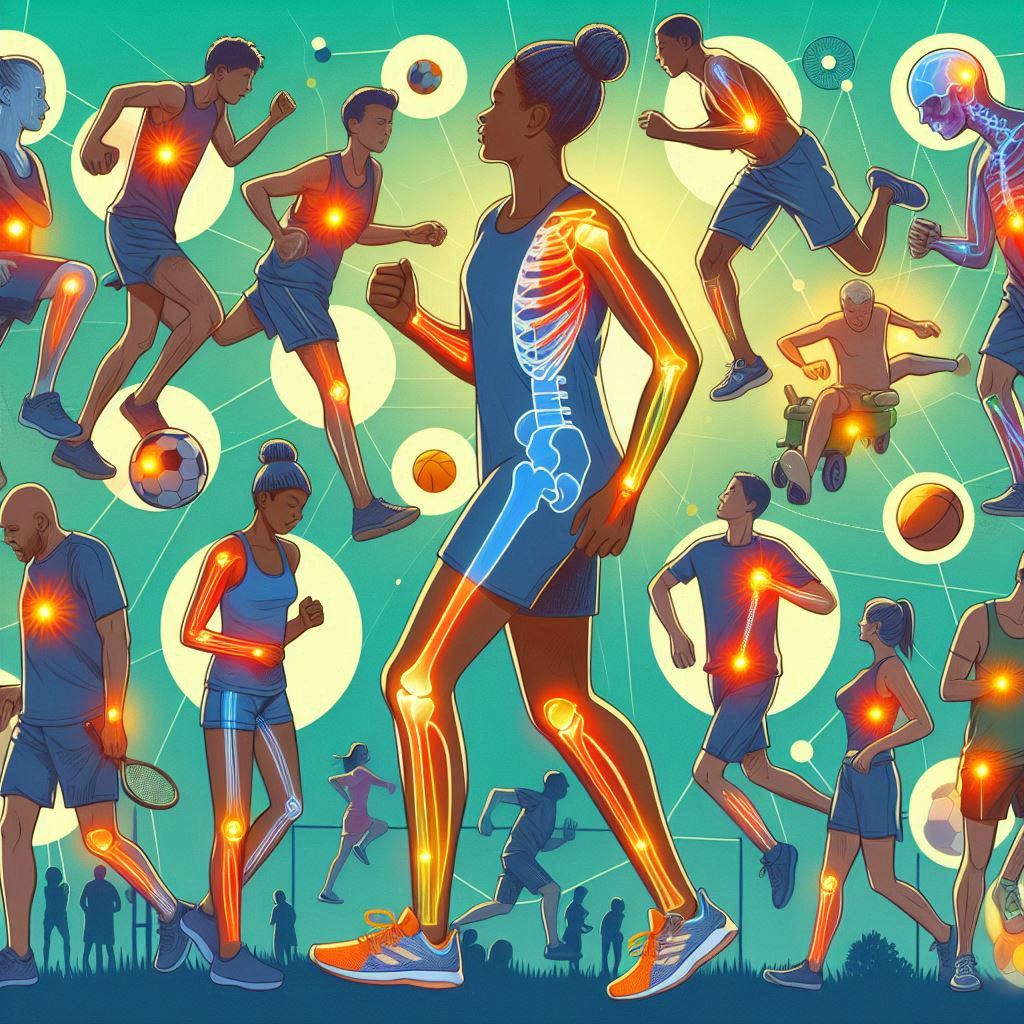
Here’s a prompt you can use for generating an image related to musculoskeletal injuries: **Image Prompt:** "Illustration of a diverse group of individuals (children, adolescents, and adults) engaging in various sports activities (like soccer, basketball, and running) with highlighted areas on their bodies showing common musculoskeletal injuries (such as sprains in ankles, fractures in arms, and back pain). Include visual representations of injury types, labels for each injury, and a vibrant background depicting an active outdoor setting."

Musculoskeletal injuries are a significant concern for individuals of all ages, with distinct challenges faced by children, adolescents, and adults. Active children and adolescents lead vibrant lives filled with physical activities, sports, and play. Their developing bones and muscles contend with unique risk factors, while adults may suffer from injuries related to lifestyle, overuse, or aging. This comprehensive blog post will explore musculoskeletal injuries, their common causes across different age groups, preventive measures, and tips for effective recovery. What Are Musculoskeletal Injuries? Musculoskeletal injuries encompass injuries to the bones, muscles, tendons, ligaments, and cartilage. These injuries can range from mild sprains to severe fractures, and they are commonly categorized into: Unique Risk Factors for Musculoskeletal Injuries in Children and Adolescents Children and adolescents are not merely “small adults.” Their growing bodies have characteristics that influence the types of injuries they may experience: Common Types of Musculoskeletal Injuries in Children and Adolescents Here are some prevalent musculoskeletal injuries seen in active young individuals: 1. Clavicle Fractures Common among youths involved in contact sports, clavicle fractures usually heal well with conservative treatment, including bracing and physical therapy. 2. Torus (Buckle) Fractures These forearm injuries are caused by compression and typically result in a bulge without a complete fracture. Healing usually requires simple immobilization. 3. Radial Head Subluxation Often occurring when a caregiver pulls on an extended arm, this injury can typically be resolved quickly through a reduction technique. 4. Apophyseal Injuries Conditions like Osgood-Schlatter disease affect growth plates at tendon attachments and can often be managed nonoperatively with rest and physical therapy. 5. Osteochondritis Dissecans and Other Osteochondroses These involve cartilage separation and may require ongoing monitoring and, in some instances, surgical intervention based on the severity and persistence of symptoms. For Information You Can Visit Here Common Causes of Musculoskeletal Injuries in Adults For adults, the causes of musculoskeletal injuries are often related to lifestyle factors: Preventing Musculoskeletal Injuries Preventing musculoskeletal injuries involves a combination of strength, flexibility, and awareness, applicable to all age groups. Here are effective strategies: Management and Recovery from Musculoskeletal Injuries When treating musculoskeletal injuries, proper management is vital for recovery and preventing long-term complications. Here are some key points to consider: Conclusion Musculoskeletal injuries represent a significant health concern across all age groups, but understanding the unique characteristics, causes, and treatment strategies can guide effective management. By prioritizing injury prevention, early intervention, and proper recovery techniques, we can help children, adolescents, and adults lead healthier, more active lives while minimizing the risk of long-term complications. If you found this information valuable, please share this blog with fellow parents, coaches, and anyone involved in sports or physical activities. Together, let’s keep our communities informed and proactive about musculoskeletal health!

What Is the Role of CRT : LBBB and Cardiomyopathy

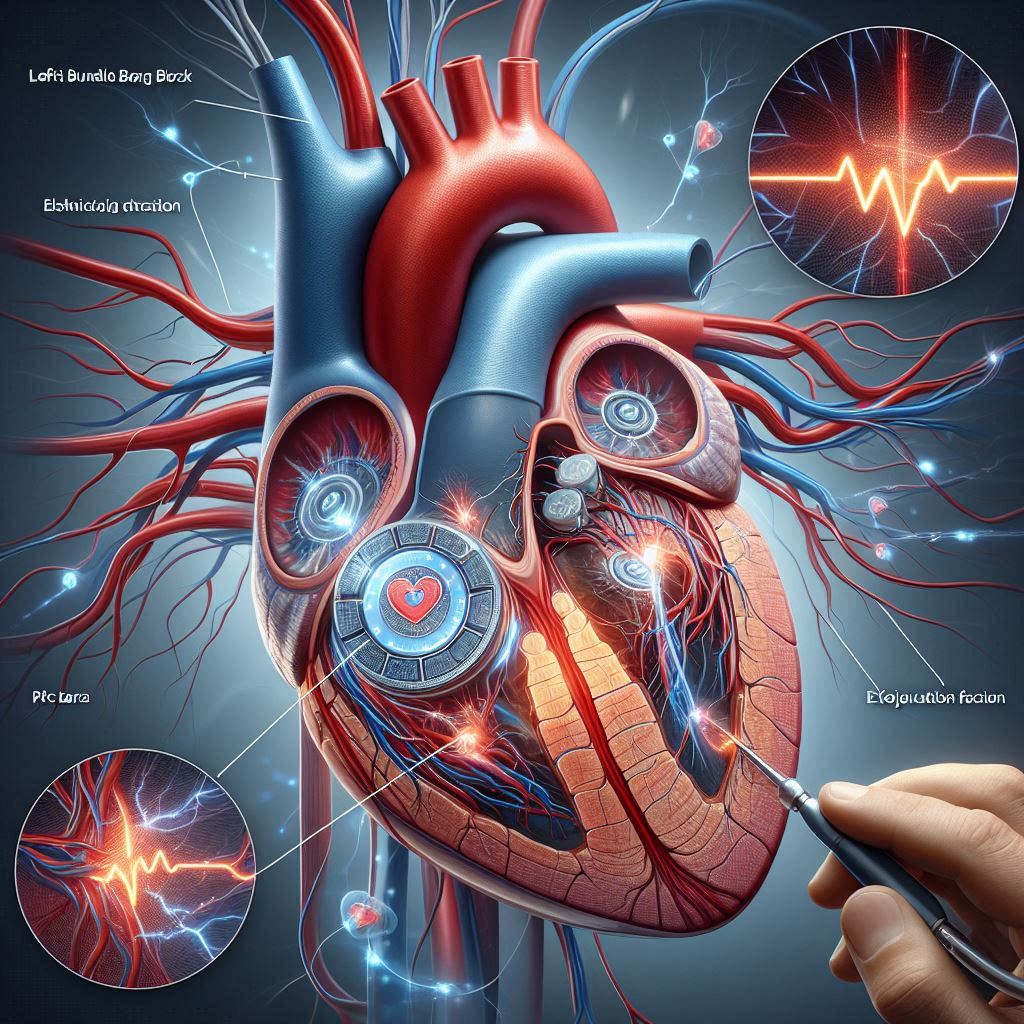
Cardiac Resynchronization Therapy (CRT) plays a pivotal role in managing patients with Left Bundle Branch Block (LBBB) and cardiomyopathy, particularly when ejection fraction falls below 35%. CRT involves the implantation of a device that delivers synchronized electrical impulses to both the right and left ventricles, helping to restore coordinated contractions of the heart. This improves overall cardiac output and enhances the efficiency of the heart's pumping ability. For patients with LBBB, CRT can alleviate symptoms of heart failure, reduce hospitalizations, and improve quality of life by promoting better synchronization between the ventricles. In many cases, CRT has been shown to significantly enhance survival rates in this high-risk population. If you'd like an image to accompany this text, consider a diagram illustrating the CRT device placement near the heart, showcasing how it connects to the right atrium and both ventricles, with annotations highlighting the benefits of improved synchronization and increased cardiac output.

Left Bundle Branch Block (LBBB) is a condition where the electrical signals in the heart are disrupted, causing delayed or uncoordinated contraction of the left ventricle. This can lead to symptoms like fatigue, shortness of breath, and heart failure. Cardiomyopathy refers to diseases of the heart muscle that affect its size, shape, and ability to pump blood effectively. Together, LBBB and cardiomyopathy can significantly impair heart function. Cardiac Resynchronization Therapy (CRT) plays a crucial role in managing these conditions. By delivering targeted electrical impulses to both ventricles, CRT helps synchronize their contractions, improving overall heart function and alleviating heart failure symptoms. This therapy can enhance patients’ quality of life and reduce hospitalizations associated with heart failure. Understanding the Connection Between LBBB and Cardiomyopathy Left Bundle Branch Block (LBBB) is a heart condition affecting electrical conduction. It disrupts signals to the left ventricle. LBBB is often linked to structural heart disease. It is associated with increased morbidity and mortality rates. When LBBB occurs in patients with cardiomyopathy, the risks amplify. Cardiomyopathy is defined by an ejection fraction of less than 35%. This combination leads to a precarious situation for patients. Effective management of both conditions is essential for improving outcomes. Current medical guidelines recommend a standard protocol. Doctors should initiate three months of medical therapy for patients with LBBB and cardiomyopathy. After this period, they can consider cardiac resynchronization therapy (CRT). However, emerging research raises concerns. Many patients do not respond adequately to medical therapy alone. A significant percentage still require CRT even after the treatment period. This highlights the need for timely evaluation. Relying solely on medical management may delay effective treatment. Individualized assessment is essential for optimizing patient care. Certainly! Let’s dive into a more detailed explanation of Cardiac Resynchronization Therapy (CRT), especially in the context of left bundle branch block (LBBB) and its impact on cardiomyopathy. Understanding Cardiac Resynchronization Therapy (CRT) What is CRT? Cardiac Resynchronization Therapy (CRT) is a specialized treatment for heart failure patients. It is particularly effective for those with conduction system abnormalities like LBBB. CRT involves implanting a device similar to a pacemaker. This device delivers electrical impulses to both the left and right ventricles. The dual stimulation promotes synchronized contractions of the heart muscles. As a result, cardiac efficiency improves, leading to better heart function. CRT can enhance overall quality of life for patients. How Does CRT Work? In a healthy heart, the electrical signals that prompt the heart to beat travel through a well-coordinated pathway, ensuring that all chambers of the heart contract efficiently at the right times. However, in patients with LBBB, this pathway is disrupted, which leads to asynchrony; one side of the heart may contract at a different time than the other. This can result in less effective pumping action, ultimately worsening heart failure symptoms. CRT alleviates this problem by synchronizing the contractions of both ventricles. By using biventricular pacing (stimulation of both the left and right ventricles), CRT helps improve the timing of contractions—allowing for better overall blood flow and increased cardiac output. The Reversibility of LBBB-Associated Cardiomyopathy What is LBBB-Associated Cardiomyopathy? LBBB can lead to a form of heart failure known as LBBB-associated cardiomyopathy, where the pumping ability of the heart declines. Interestingly, studies have indicated that this type of cardiomyopathy can be potentially reversible. In instances where there are no other identifiable causes of heart dysfunction (like ischemia or valve disease), the heart may respond favorably to treatments like CRT. Reverse Remodeling: One of the most significant benefits of CRT is the phenomenon known as reverse remodeling, where the heart muscle regains its structural integrity and function after initiating CRT. Patients undergoing CRT often show improvements in heart chamber size—typically a reduction in the left ventricle’s diameter—along with enhanced pumping efficiency. As a result, not only can symptoms improve, but the overall prognosis for patients may also significantly enhance. Conduction System Pacing: A Specialized Approach Overview of Conduction System Pacing Conduction system pacing is an innovative technique in the field of cardiac pacing that aims to optimize the electrical activation of the heart. Unlike traditional pacing strategies that primarily stimulate heart chambers without addressing underlying conduction abnormalities, conduction system pacing focuses on restoring the natural conduction pathways. This method has shown particular promise in patients with left bundle branch block (LBBB)-related cardiomyopathy. The Mechanics of LBBP What is Left Bundle Branch Pacing (LBBP)?Left Bundle Branch Pacing (LBBP) is a specialized form of conduction system pacing where pacing leads are strategically positioned within the left bundle branch of the heart’s electrical system. This technique allows for direct stimulation of the left bundle branch to restore normal conduction patterns across the left ventricle. How Does LBBP Work? During normal heart function, electrical signals travel through the heart’s conduction system, ensuring that both ventricles contract in a synchronized manner. In LBBB, this pathway is disrupted, leading to asynchronous contractions and reduced cardiac efficiency. By placing a pacing lead in the left bundle branch, LBBP bypasses the damaged conduction pathway, promoting coordinated ventricular contraction that more closely resembles the heart’s natural rhythm. https://fuelforlife365.com/ Benefits of LBBP for Patients Improved Cardiac Function Clinical studies have shown that patients with LBBB undergoing LBBP frequently experience significant improvements in cardiac function. Enhanced synchronization of ventricular contractions leads to better overall heart performance, which can be measured through metrics such as increased ejection fraction and improved left ventricular volumes. Quality of Life Enhancements Alongside measurable improvements in heart function, patients often report a marked enhancement in their quality of life following LBBP. Symptoms such as fatigue, dyspnea (shortness of breath), and exercise intolerance may diminish significantly, allowing individuals to engage more fully in daily activities. Potential for Reverse Remodeling As mentioned earlier, one of the most promising aspects of CRT and LBBP is the potential for reverse remodeling. With effective pacing that restores normal electrical activity, the heart may regain its natural shape and improve function over time. This could alleviate the structural changes that typically accompany LBBB-related cardiomyopathy, further enhancing patient outcomes. … Read more

How Diet in pregnancy impacts offspring brain IQ: What to Eat

Create an image that depicts a vibrant, healthy meal tailored for pregnant women. Include colorful fruits, leafy greens, whole grains, and sources of omega-3s like salmon or walnuts. In the background, illustrate a serene setting with a pregnant woman enjoying her meal, perhaps reading or journaling, conveying a sense of nourishment and mindfulness. The atmosphere should feel warm and positive, symbolizing the connection between maternal diet and fetal brain development.

Pregnancy is a pivotal stage in a child’s life, influencing numerous aspects of their future, including physical and cognitive development. New research published in the American Journal of Clinical Nutrition highlights the crucial role that a mother’s diet during pregnancy plays in shaping her child’s brain morphology and intelligence quotient (IQ). This study, part of the Generation R Study in the Netherlands, provides significant insights into how prenatal nutrition affects the cognitive abilities of children during their formative years. The Importance of Maternal Diet The study involved 2,223 mother-child pairs. Brain scans were taken when the children were 10 and 14 years old. Researchers assessed dietary intake during pregnancy using comprehensive food-frequency questionnaires. They calculated diet quality scores based on adherence to dietary guidelines. The findings revealed that higher diet quality during pregnancy was significantly associated with increased brain volumes in children. This included larger total brain size, as well as increased gray and white matter, and subcortical regions. A Closer Look at Brain Development These findings underscore how a mother’s diet can lead to measurable changes in her child’s brain structure. Children whose mothers had higher diet quality demonstrated larger total brain volumes and enhanced development of critical brain areas. Moreover, these structural differences were positively correlated with cognitive performance at age 14, revealing that better diet quality was linked to higher full-scale IQ scores, particularly in verbal comprehension and matrix reasoning tasks. The Mediating Role of Brain Morphology A key insight from this research is the role of brain structure in linking prenatal diet quality and IQ. It suggests that variations in brain morphology resulting from maternal nutrition contribute to differences in cognitive performance among adolescents. The study shows that the effects of maternal diet go beyond pregnancy, shaping brain development and cognitive abilities well into the future. This blog post summarizes findings from a study published in the American Journal of Clinical Nutrition. For more details CLICK HERE Recommendations for Expecting Mothers Incorporating specific dietary choices during pregnancy can significantly enhance both maternal health and fetal brain development. Here are some key components to consider: Conclusion The findings from this research convey an important message: prenatal nutrition significantly influences a child’s future brain development and cognitive abilities. A high-quality diet during pregnancy benefits maternal health and lays a strong foundation for the child’s cognitive potential. As the connections between nutrition and neurodevelopment become clearer, it is crucial for expectant mothers to prioritize their dietary choices as a key part of prenatal care, positively affecting their child’s development. https://fuelforlife365.com/blog/ Final Thoughts The relationship between diet quality during pregnancy and cognitive outcomes in offspring highlights a crucial public health concern. In our efforts to enhance childhood development, promoting healthy eating habits among pregnant women must take precedence—not just for maternal well-being but also for the cognitive and developmental futures of their children.