Amyotrophic Lateral Sclerosis (ALS).
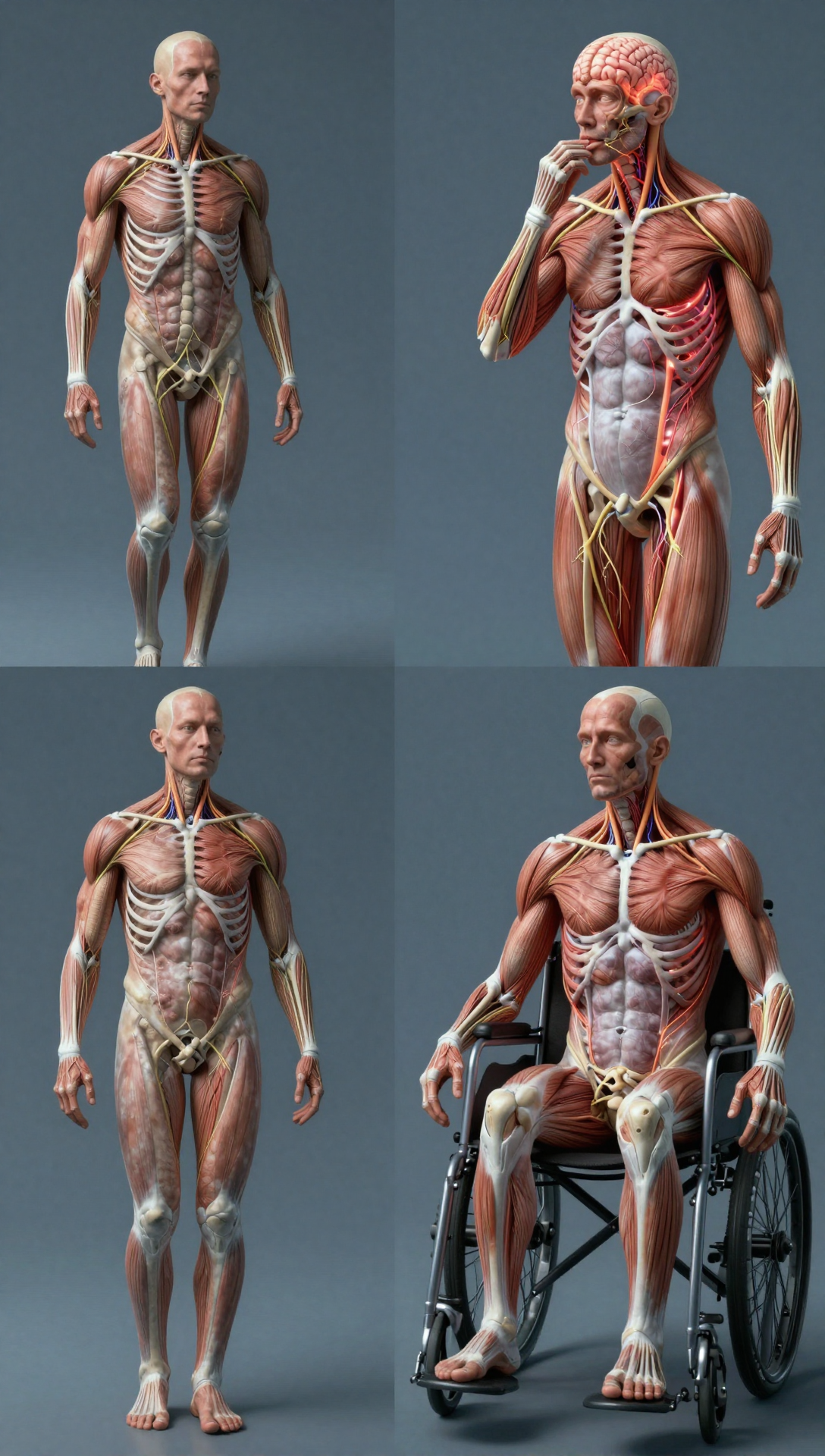
All the while, your mind stays sharp—wide awake inside a body that is shutting down. That is ALS, or Lou Gehrig’s disease.

All the while, your mind stays sharp—wide awake inside a body that is shutting down. That is ALS, or Lou Gehrig’s disease.
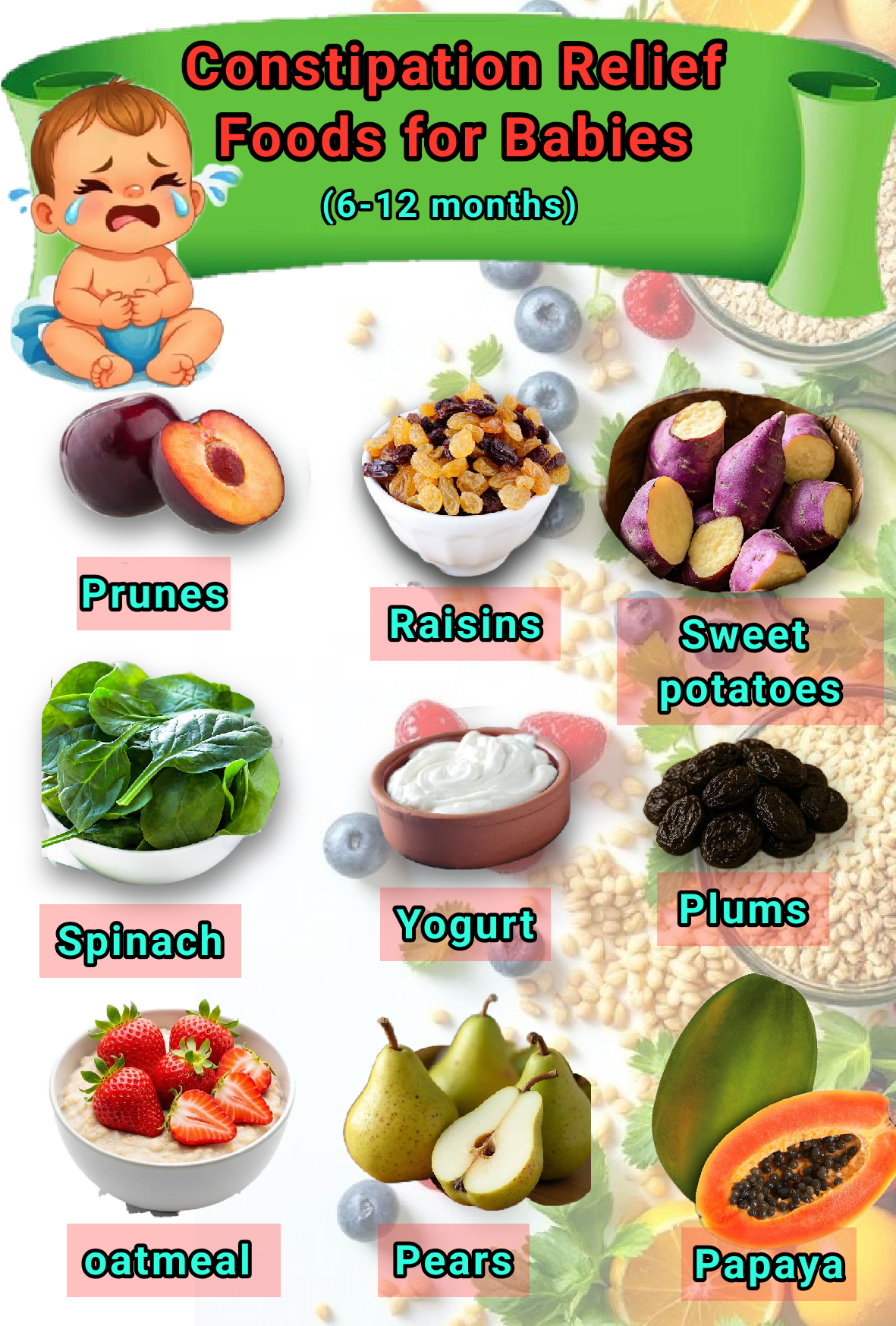
Constipation Relief Foods for Babies (6-12 Months) Constipation is when a person, including babies, has difficulty passing stool or has infrequent and hard bowel movements. It can cause discomfort or pain for the baby. During constipation, babies may show certain signs or behaviors. They might cry more than usual because they feel uncomfortable. They could strain or put in extra effort when trying to pass stool. Sometimes, they might pass hard, dry stools or have fewer bowel movements than normal. Their stomachs may appear swollen or bloated, and they might seem irritable or unhappy. It’s important for parents to watch for these signs and help their babies by providing gentle foods and ensuring they stay hydrated to make passing stool easier. To help soften stools and improve digestion, there are some gentle foods that can be included in a baby’s daily diet. 9 Constipation Relief Foods for Babies 1. Papaya: Parents are advised that papaya can help relieve constipation because it contains enzymes such as papain, which support digestion by breaking down proteins and improving gut health. Papaya is also rich in dietary fiber, which adds bulk to the stool and helps promote regular bowel movements. Additionally, it has a high water content that helps keep the stool soft and easier to pass. Papaya is gentle on a baby’s stomach and can be introduced in small, mashed portions to aid in digestion and prevent constipation. It also provides essential nutrients like vitamin C, vitamin A, and antioxidants that support overall health. 2. Pears: Pears are high in dietary fiber and are easy for babies to digest, making them a gentle and effective option to promote regular bowel movements. The fiber in pears, especially soluble fiber like pectin, helps add bulk to the stool and supports healthy digestion. Pears also contain a good amount of water, which helps keep the stool soft and easier to pass. Because they are naturally sweet and mild in flavor. pears are often well-tolerated by babies and can be introduced as a pureed fruit to help prevent or relieve constipation. 3. oatmeal: Oatmeal is a gentle whole grain that provides a rich source of dietary fiber, which can help regulate a baby’s digestion and prevent constipation. The soluble fiber in oatmeal, especially beta-glucan, forms a gel-like substance in the gut that promotes healthy bowel movements. Oatmeal is also easy to digest and can be a nutritious, comforting breakfast option for babies. Introducing oatmeal in pureed or mashed form can support digestive health and contribute to overall nutritional intake. 4. Prunes: Prunes are considered a natural laxative because they are rich in dietary fiber and sorbitol, a sugar alcohol that helps draw water into the intestines. This combination can help loosen stool and promote regular bowel movements in babies. Prunes are often used as a gentle remedy for constipation and can be introduced to babies in pureed form or as prune juice (diluted) to support digestive health. 5. Sweet potatoes : These are a highly nutritious root vegetable that offers numerous health benefits, especially for babies. They are naturally rich in dietary fiber, which helps promote healthy digestion by supporting regular bowel movements and preventing constipation. Additionally, sweet potatoes are gentle on the stomach and easy to digest, making them suitable for babies who are just beginning to try solid foods. The fiber content not only aids in smooth digestion but also helps maintain a healthy gut environment. Furthermore, sweet potatoes are packed with essential vitamins and minerals, such as vitamin A, vitamin C, and potassium, which contribute to overall growth and immune health. Incorporating sweet potatoes into a baby’s diet can support their digestive system development and promote overall well-being. 6. Yogurt : The probiotics found in yogurt can be beneficial for kids who experience constipation. Probiotics help promote healthy gut bacteria, which can improve bowel movements and support regularity. By maintaining a balanced digestive system, probiotics can help reduce the difficulty and discomfort associated with constipation in children. Including yogurt with probiotics as part of a kid’s diet, along with other fiber-rich foods and adequate hydration, can be an effective way to help manage and prevent constipation.. 7. Spinach: Spinach is a nutritious leafy green vegetable that can be very helpful for kids struggling with constipation. It is high in dietary fiber, which adds bulk to the stool and makes it easier to pass through the digestive system. Fiber also helps retain water in the intestines, softening the stool and promoting regular bowel movements. In addition to fiber, spinach contains magnesium, a mineral that helps relax the muscles in the intestines, making it easier for stool to move through the digestive tract. Magnesium also attracts water into the intestines, which can further soften the stool and improve bowel movement. For kids with constipation, including spinach in their diet can be beneficial. You can serve it cooked, steamed, or added to smoothies and salads. Combining spinach with other fiber-rich foods and ensuring they stay well-hydrated can effectively help relieve constipation and promote healthier, more regular bowel movements in children. 8. Raisins: Raisins are a great natural snack for kids dealing with constipation because they are rich in dietary fiber. The fiber in raisins helps add bulk to the stool and encourages regular bowel movements, making digestion smoother. Additionally, raisins contain natural sugars and sorbitol, a sugar alcohol that has a mild laxative effect, which can help stimulate bowel movements in children. Including small amounts of raisins in a child’s diet—such as mixing them into oatmeal, yogurt, or trail mixes—can support healthy digestion and alleviate constipation. However, since raisins are calorie-dense and contain natural sugars, it’s best to give them in moderation as part of a balanced diet to avoid any potential issues with excessive sugar intake. 9. Plums: Plums are an excellent natural remedy for constipation in kids because they are high in dietary fiber and contain compounds called sorbitol and phenolic compounds, which act as natural laxatives. The fiber in plums … Read more

Improving Mobility and Function in Adults with Lower Limb Amputation: The Role of Physical Activity and Exercise Lower limb amputation (LLA) significantly affects mobility and independence. However, research shows that physical activity and exercise can help adults with LLA improve fitness, mobility, and functional capacity. This blog explores the benefits of physical activity (PA) for LLA patients, the most effective exercises, and the minimum exercise required for improvements. What is Lower Limb Amputation? Lower limb amputation is the removal of part or all of one or both legs. It can occur due to injury, infection, or conditions like diabetes. Recovery post-amputation is challenging. Individuals may experience mobility issues, loss of balance, and reduced functional capacity. Rehabilitation is essential for regaining independence, and exercise plays a vital role. Significance of Physical Activity for Adults with LLA Physical activity benefits health in various ways. For people with LLA, it can improve mobility, strength, and cardiovascular fitness. Exercise helps reduce the risk of secondary conditions like heart disease, obesity, and depression. It also improves balance, walking speed, endurance, and functional capacity. This allows individuals to regain independence and improve quality of life. Every step toward better mobility counts, and physical activity makes a real difference in recovery. What Does the Research Say About Physical Activity for LLA? A systematic review explored the effects of physical activity on adults with LLA. The review included 23 studies with 408 participants. Researchers assessed exercise interventions and their impact on fitness, mobility, and functional capacity for people with LLA. Which Exercises Show the Most Benefits? The review found that mixed exercise programs—combining aerobic exercises with strength or balance exercises—were the most effective. These exercises improved balance, walking speed, endurance, and transfer ability (moving from sitting to standing). Aerobic exercises like walking or cycling boost cardiovascular health and endurance. Strengthening exercises, like leg lifts, build muscle strength, and balance exercises help prevent falls. While mixed exercise programs produced the best results, the review also found that strengthening exercises alone improved functional capacity and mobility. However, more studies are needed to assess other exercise types. Frequency, Duration, and Intensity: How Much Exercise Is Needed? The research showed that 1-3 exercise sessions per week, lasting 20-60 minutes each, were sufficient to improve balance, walking speed, endurance, and transfer ability. Regular moderate exercise, without the need for intense sessions, can make a big difference. A few sessions per week can lead to noticeable improvements in mobility and daily functioning. What Was Missing from the Study? While the review addressed the benefits of exercise on balance, walking speed, endurance, and transfer ability, it also noted gaps in research. There was low confidence in the effects of exercise on cardiorespiratory fitness, flexibility, muscle strength, and overall functional capacity. Many studies did not explore these areas thoroughly. Future research should focus on how exercise impacts these important health factors to provide a more comprehensive understanding. Read More How Exercise Enhances Mobility and Functional Capacity Exercise improves several key factors related to mobility and functional capacity: Why More Research Is Needed While the research indicates that exercise improves mobility and functional capacity in adults with LLA, there are still many unanswered questions. Most studies focused on small participant groups and did not examine the effects of exercise on other important factors like flexibility and muscle strength. The optimal type, duration, and intensity of exercise for people with LLA remain unclear. Some studies suggest that a combination of aerobic and strength training exercises is most effective, but more research is needed to confirm this and explore other approaches. Long-term benefits of physical activity for LLA patients should also be studied more thoroughly. For More Details Visit Here Conclusion: The Power of Exercise for LLA Recovery Exercise is a critical part of rehabilitation for adults with LLA. It improves balance, walking speed, walking endurance, and transfer ability. The best results come from mixed exercise programs that combine aerobic, strengthening, and balance exercises. Adults with LLA don’t need intense exercise regimens to see benefits. Just 1-3 sessions per week of moderate exercise can lead to meaningful improvements. While more research is needed to understand the full impact of exercise, physical activity has the potential to transform the lives of people with LLA. Proper exercise helps them regain independence and improve quality of life. With tailored exercise programs, individuals with lower limb amputation can lead healthier, more fulfilling lives.

Vagus nerve stimulation: a promising therapy for ischemic stroke recovery.Ischemic stroke is one of the primary causes of disability. A majority of this disability arises from the interruption in blood flow, which leaves the brain cells without oxygen. Even after some progress in stroke care, recovery becomes really tough for people with moderate to severe deficits. People suffering from such intensities are unable to fully recover. Yet there are new therapeutic treatments, and one of the most encouraging is Vagus Nerve Stimulation (VNS). Initially being used to treat neurological and psychiatric conditions such as epilepsy and depression, VNS has been opened up for a potential stroke recovery option for patients after suffering a stroke. This blog will explain how VNS works, how it aids ischemic stroke recovery, and where current research stands. What is Vagus Nerve Stimulation? Vagus Nerve Stimulation involves sending electrical impulses to the vagus nerve. The vagus nerve is an important nerve that controls heart rate, digestion, and brain function. Through modulation of brain activity, VNS affects many physiological processes. Neuroinflammation is reduced by VNS, neuroplasticity is enhanced, and post-stroke recovery improved. VNS increases cerebral blood flow, as this is an important aspect of brain healing. There are two forms of VNS: Although iVNS has a more established history regarding some forms of neurological disorders, nVNS has recently drawn attention as a potentially less invasive approach to treating ischemic stroke. How Does VNS Help with Recovery from Ischemic Stroke? Ischemic stroke results in the death of brain cells because of blockage of blood flow. The deprivation of oxygen to the brain results in cell death, causing motor impairments, learning disabilities, and speech impairments. Vagus nerve stimulation addresses several significant factors critical for stroke recovery: 1. Decrease in Infarct Volume: Preclinical studies with animal models have demonstrated that VNS reduces the size of brain infarcts, areas of dead tissue due to lost blood flow. Less area of the infarct means less brain damage, which is important for general improvement in overall stroke outcomes. 2. Neuroprotection: VNS can also protect the brain by offering anti-reperfusion injury effects. These are mediated by damage caused when blood flow returns to the brain following an ischemic attack. Minimizing reperfusion injury helps in further aiding brain recovery and prevent it from further damaging. 3. Anti-inflammatory Actions: Inflammation is a secondary response to injury to the brain but it may exacerbate damage. VNS aids in regulating the immune system, hence decreasing neuroinflammation. When controlling inflammation, VNS allows the brain a chance to heal and recover. 4. Increased Cerebral Blood Flow: Increasing blood supply to the brain is an essential aspect of stroke rehabilitation. VNS facilitates enhanced flow, therefore, allowing the cells in the brain to gain much-needed oxygen and nutrients for repair. Increased flow promotes function in the brain and enhances recovery. 5. Neuroplasticity Inducement: An exciting thing about VNS is that it encourages neuroplasticity. Neuroplasticity is the ability of the brain to reorganize itself and adjust by forming new neural connections. This is vital to recovery, especially in patients who experience long-term disabilities as a result of a stroke. The VNS facilitates such brain “rewiring,” which might result in better functional outcomes. Read More Invasive vs. Non-Invasive VNS **Invasive VNS (iVNS): iVNS is FDA-approved for the treatment of conditions such as epilepsy and depression, besides its efficacy in conditions with moderate to severe stroke deficits. Its invasive nature makes it less feasible; it cannot be used for acute stroke due to surgery requirements and risks of infection or complications from the implantation process. Non-Invasive VNS (nVNS): A promising alternative for recovery after an ischemic stroke is nVNS. Such stimulation of the vagus nerve is delivered through the skin and avoids surgery. It can typically be used earlier in the recovery process and is generally better tolerated by patients who cannot undergo an invasive procedure. Recent clinical and preclinical studies indicate that, comparable with iVNS, nVNS may offer potential benefits after stroke. More study is necessary to fully understand its potential. Current Studies and Future Avenues There is a lot of hope with VNS as an ischemic stroke treatment. Animal studies show that VNS reduces stroke damage while enhancing recovery outcomes. However, how VNS exerts its effects remains largely unknown. The researchers are now focused on understanding the mechanisms through which VNS modulates activity in the brain, inflammation, and neuroplasticity to support recovery from stroke. While iVNS works well for some stroke patients, the application of this therapy is restricted to the moderate to severe deficit patients. It should not be applied in the acute phase of the stroke. nVNS is a method that is relatively less invasive. Positive results are seen from ongoing clinical trials. Researchers believe that nVNS increases neuroprotection, reduces inflammation, and activates brain repair mechanisms. Further large RCTs by the researchers will help develop the VNS further for ischemic stroke to optimize nVNS protocols in terms of duration, intensity, timing, and long-term effects. Furthermore, nVNS may be used as an adjuvant to other forms of rehabilitation like PT or cognitive training to enhance recovery outcomes. Further Info Visit Here Conclusion: A New Hope for Stroke Recovery VNS both invasive and non-invasive is of great potential as a therapy for the recovery process of ischemic stroke. It might help in reducing the size of the infarct, stimulate neuroplasticity, enhance blood flow, and decrease inflammation-all measures necessary to restore function and quality of life among stroke patients. Non-invasive VNS is a minimally invasive alternative with much greater promise for broader applicability. It is especially useful when combined with rehabilitation therapies, such as physical or cognitive therapy. More study is certainly needed but VNS may become a common treatment for stroke recovery in the near future. The future of ischemic stroke treatment lies in the integration of advanced technologies and rehabilitation strategies. VNS represents one of the most exciting developments in this field. As we uncover the mechanisms behind its success, VNS could turn out to be a cornerstone of stroke therapy … Read more
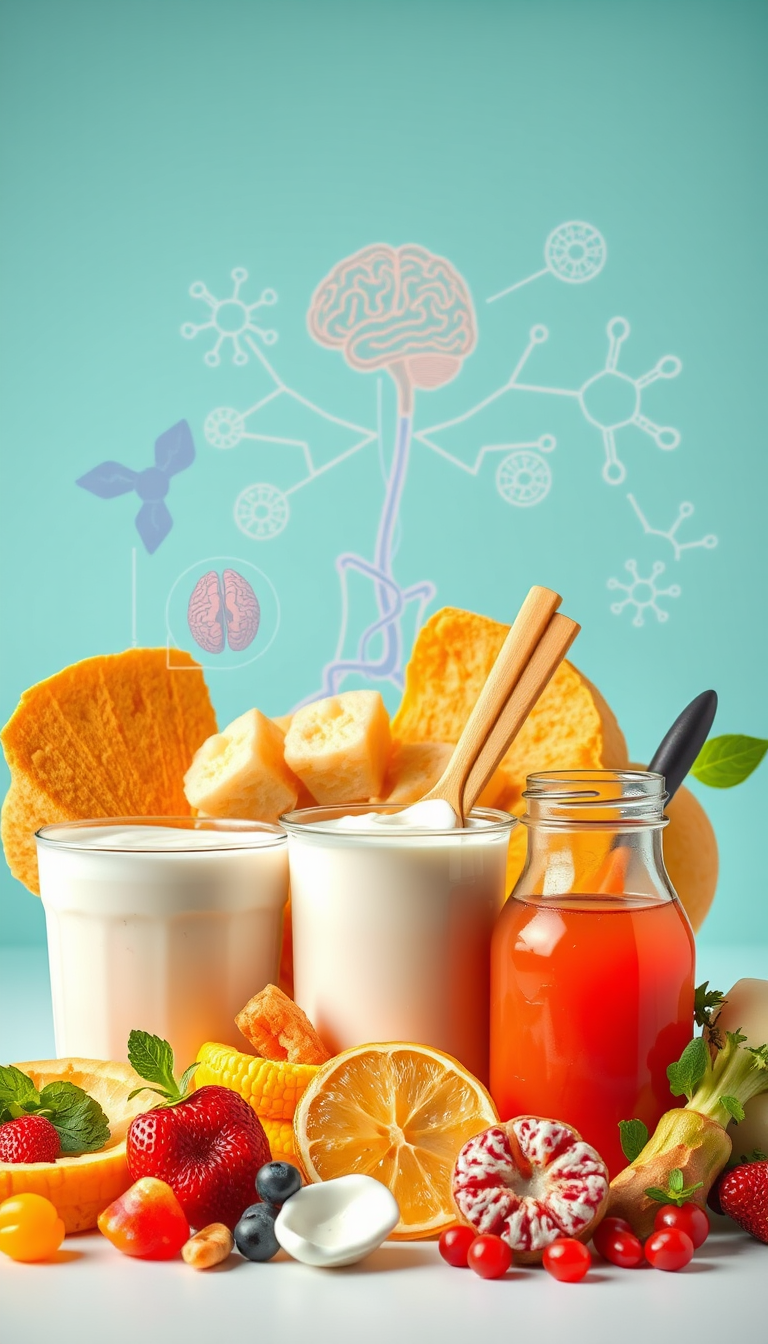
Probiotics: Revolutionizing Modern Medicine Beyond Gut Health These friendly bacteria, commonly known as probiotics, have been linked to gut health. Yogurt advertisements and dietary supplements extol them for purposes related to digestion support. New studies reveal that these microorganisms may have a much greater impact on immunity, neurology, and even cancer therapy than previously thought.This blog investigates the new discoveries about probiotics, their systemic effects, and their transformative role in modern medicine. Probiotics: Beyond Gastrointestinal Health Probiotics were initially valued for balancing gut flora and treating gastrointestinal disorders. New research shows their effects extend beyond the gut, impacting the immune, metabolic, and nervous systems. Their complex interactions with the human body have sparked interest in using probiotics to treat and manage various diseases. Immune System Link One of the most important discoveries in probiotic research is the evidence that they influence immune functions. Probiotics can stimulate an imbalanced immune response through interaction with GALT which is an integral part of the immune system. Maintaining a healthy gut microbiota means probiotics regulate inflammation, improve immune defense against pathogens, and there is less chance of autoimmune disorders. Specific strains, including Lactobacillus rhamnosus and Bifidobacterium bifidum, enhance immune function by promoting the secretion of anti-inflammatory cytokines.. This has designated a potential therapeutic effect for probiotics for allergy and autoimmune diseases. It is, therefore, a central focus in probiotic research to discover the relationship of the gut-brain axis, a bidirectional communication network between the gut and the CNS. Probiotics influence this axis by producing neurotransmitters, modifying the activity of the vagus nerve, and regulating certain inflammatory pathways. Neurological Disorders The potential for probiotics in the management of neurological disorders has led scientists to seriously consider non-invasive therapeutic applications in depression, anxiety disorders, and even neurodegenerative diseases like Parkinson’s and Alzheimer’s. The systemic effects of probiotics also manifest through the gut-liver and gut-lung axes. Gut-Liver Axis Probiotics affect the gut-liver axis through optimalization of intestinal barrier function and reduction of bacterial translocation, which is the passage of pathogenic bacteria from the gut to the liver. This has serious implications for: Gut-Lung Axis There is increasing attention paid to the relationship between gut health and respiratory disorders. Probiotics contribute to respiratory well-being by attenuation of systemic inflammation and modulation of the immune response. Probiotics in Cancer Therapy One of the most exciting developments in probiotic research is that of their role in cancer treatment. By modulating the immune system and tumor microenvironment, probiotics show promise in enhancing the effectiveness of cancer therapies, particularly immunotherapy. Probiotic “Cocktails” Different strains of probiotics have been compounded into “cocktails.” This has shown potential in improving patient outcomes in cancer immunotherapy. These formulations enhance the body’s immune response to tumors by: This paradigm-shifting approach can revamp oncology by providing supportive therapies that increase the efficacy of standard-of-care treatments. Read More Strain-Specific Benefits and Mechanisms . Not all probiotics are equal. Each is unique in its benefits based on the genetic profile and mechanisms of action. Here are a few examples: Strain-specific benefits will allow researchers to tailor probiotic therapies for individual patients, ushering in the dawn of precision medicine. New Development in Delivery Technologies The survival and potency of probiotics can be threatened in probiotic therapy as they must pass through the harsh conditions of the gastrointestinal tract. Recent innovations in delivery technologies aim to address this issue. Microencapsulation This is the technique of encasing the probiotics in protective materials, protecting them from acids and bile in the stomach and ensuring their release in the intestines for maximum activity. Nanotechnology Nanoparticles are now designed in such a manner to deliver the probiotics as precisely as possible, thus stabilizing and enhancing absorption. This opens up the doors for more consistent and effective probiotic therapy. Future of Probiotics in Medicine As research goes on, probiotics are becoming a vital part of modern medicine. Being able to modulate multiple systems at once makes these beneficial microbes good candidates for the treatment of various complex diseases. The future of probiotics is to be found in: Click Here To know More Conclusion Probiotics are no longer just about gut health. Their systemic effects and therapeutic potential are revolutionizing modern medicine. From enhancing immune function to supporting neurological health and cancer therapy, probiotics offer a versatile, natural, and non-invasive approach to disease treatment. Probiotics will soon be at the heart of precision medicine with their tailored, personalized solutions to a wide array of health conditions. This is but the start of this journey with probiotics, and certainly there are a lot of promises in store. Embracing the power of probiotics is the way toward unlocking new frontiers in healthcare, harnessing the microscopic wonders of nature to transform lives.
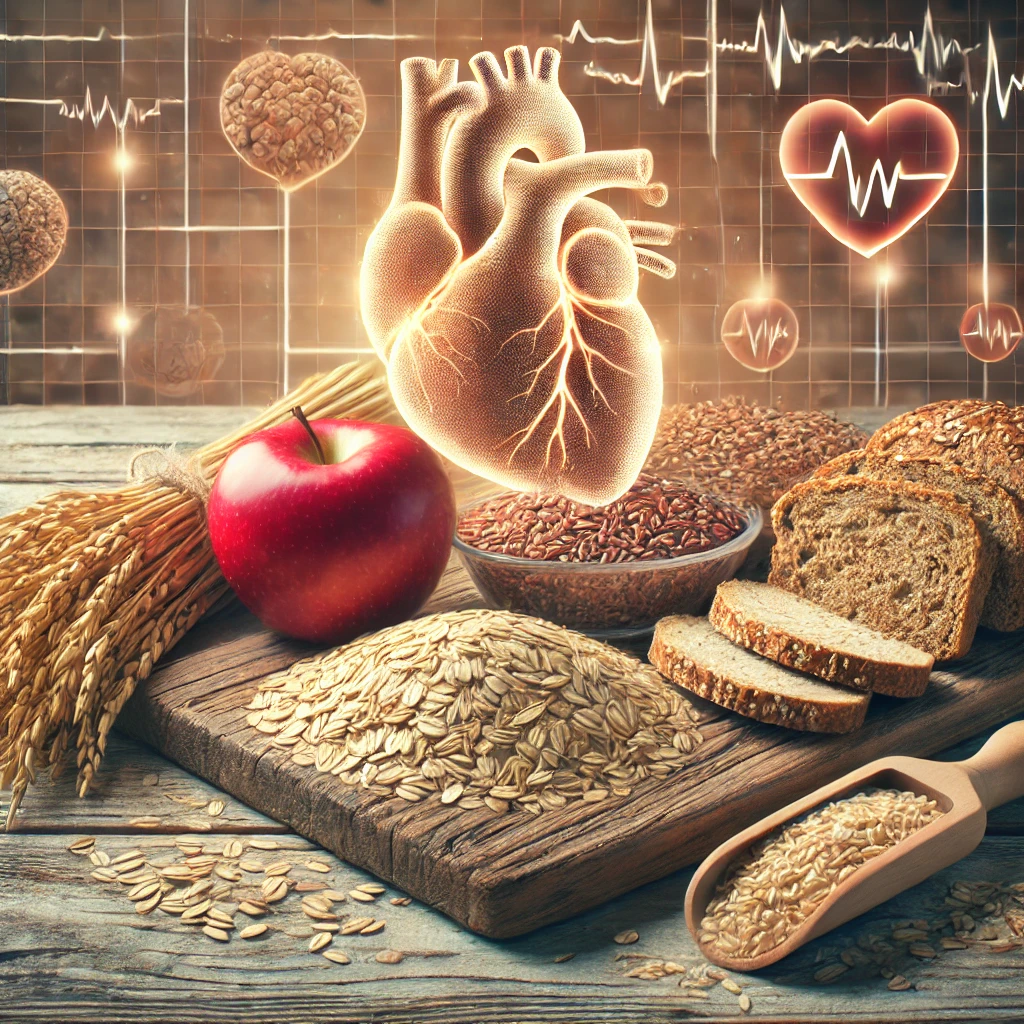
Can Whole-Grain Consumption Reduce the Risk of Carotid Atherosclerosis? A Synopsis of the Literature Whole grains have been well appreciated for their health benefits.Whole grains are rich in fiber, vitamins, and minerals. They are linked to lower rates of chronic diseases like heart disease and diabetes. But do whole grains protect against carotid atherosclerosis (CA)? CA involves plaque buildup in the carotid arteries, raising stroke risk. A new research study was conducted recently in order to answer this question, exploring the relationship between whole-grain intake and CA within a general adult population. Here’s what they found out and why it matters. The Study at a Glance This prospective cohort study consisted of 2,166 adults from China who were 19 to 84 years old. Individuals had no prior CA, cardiovascular disease, or cancer at the baseline. Researchers followed up with participants for a median of 4.2 years and assessed CA development by the presence of two putative markers: Dietary habits, including whole-grain intake, were evaluated through a validated food frequency questionnaire. Individuals were categorized into groups by the frequency they had whole-grain consumption, such as less than once a week and at least once a day. Important Findings Researchers followed 538 new cases of CA in 5,585 person-years and obtained no strong association between whole-grain intake and the development of CA. Let’s break down the results: Hazard Ratios (HRs) for CA development, adjusted for lifestyle and dietary factors: Less than 1 time/week (reference category): HR 1.00 1 time/week: HR 1.10 (95% CI: 0.85–1.43) These results persisted in subgroup analyses and sensitivity analyses. Click here For Read More What Do These Results Mean? The results may be surprising at first sight. Whole grains are more or less synonymous with cardiovascular health, so why didn’t they protect against CA? The Bigger Picture: Why This Study Matters While it did not establish a direct CA association with whole-grain consumption, this study is a crucial step toward understanding the role of diet in cardiovascular health. Specifically, it brings out that one needs more data in populations with higher consumption of whole grains and that disease risk studies must also take into account the overall dietary patterns and lifestyle factors. Should You Still Eat Whole Grains? Absolutely! Whole grains like oats, quinoa, brown rice, and whole wheat are rich in nutrients that benefit overall health, even if their impact on CA specifically isn’t clear. They can: What’s Next for Research? The authors of the study highlight the need for larger, long-term cohort studies and randomized controlled trials to confirm these findings. Future research should also explore whether specific types of whole grains or dietary patterns offer greater protection against CA. More Details Visit Here Takeaway Whole grains remain one of the pillars of a healthy diet, even though their direct role in preventing carotid atherosclerosis remains unproven. Adding more whole grains to your meal plan is still a good choice for your heart and overall health. Stay tuned as science continues to unravel the fascinating links between diet and health. For now, keep those whole grains on your plate-they’re doing you more good than harm!