
How Does Media Influence Athletes’ Mental Health?

Create an image depicting a diverse group of athletes sitting together in a serene outdoor setting, engaging in an open and supportive discussion about mental health. Show a range of emotions, such as empathy and understanding, with visuals of sports equipment nearby, symbolizing their respective sports. Incorporate elements of nature, like trees and sunlight, to convey a sense of calm and healing. Include visual symbols of mental health awareness, such as ribbons or heart shapes, subtly integrated into the scene.

In today’s digital world, the relationship between athletes and media is complicated. While media allows athletes to show their talents and connect with fans, it also creates pressure that can impact their mental health. In this blog, we will explore how media affects athletes, drawing on insights from experts. Understanding the Media Landscape Athletes have always dealt with traditional media like newspapers and TV. Now, social media platforms like Twitter and Instagram let athletes communicate directly with fans. This access can build personal brands, but it also invites criticism and judgment that can be hard to handle. Media Obligations and Pressure to Perform With fame comes responsibility. Athletes must often engage with media through interviews and promotional activities. This can create immense pressure, leading to anxiety and self-doubt, especially when performance expectations are high. Moreover, not all athletes face the same pressures; those from diverse backgrounds may deal with additional challenges related to representation and bias. The Positive Side: Empowerment Through Expression Despite these challenges, media can empower athletes. They can use social media to share personal stories, raise awareness about mental health, and advocate for social issues. For example, Naomi Osaka’s decision to focus on her mental health has sparked important conversations in sports. When athletes use media positively, they can build supportive communities and inspire others. The Role of Representation How athletes are portrayed in the media significantly affects their mental health. Positive representation can foster inclusion and support, whereas negative portrayals can lead to stereotypes and increased mental health struggles. Addressing how athletes—especially those from diverse groups—are shown in the media is crucial for their well-being. A Call for Healthy Interactions To improve the media’s effect on athletes, medical teams should promote healthy interactions between athletes and media outlets. This could include: Breaking the Stigma Mental health has often been a taboo subject in sports. Many athletes feel pressured to seem strong and invulnerable. This stigma can prevent them from seeking help. It is vital to understand that mental health is just as important as physical health. Organizations are beginning to emphasize this, but much more needs to be done. You Can Also Visit Here Learning from Personal Stories Many athletes—including Kevin Love and DeMar DeRozan—have shared their mental health struggles, raising awareness and encouraging others to seek help. These stories highlight that athletes are not alone in their challenges. A Holistic Approach to Athlete Wellness Supporting athletes requires a well-rounded approach that includes mental, physical, and emotional health. This means integrating mental conditioning and stress management into training, promoting work-life balance, and encouraging healthy coping mechanisms. Conclusion: Navigating the Spotlight As the boundaries between athletes and media blur, understanding the effects on mental health becomes crucial. While media can be a valuable tool, it can also pose challenges. By fostering healthy interactions, breaking stigma, and focusing on representation, we can create an environment that supports athletes in all aspects of their lives. Athletes are more than just competitors; they are people facing pressure and scrutiny. Let’s support their journey, ensuring they thrive both in their sport and in their mental health. Together, we can change the way we view and support athletes in the spotlight.

What is HPV and Its Cancers: You Need to Know

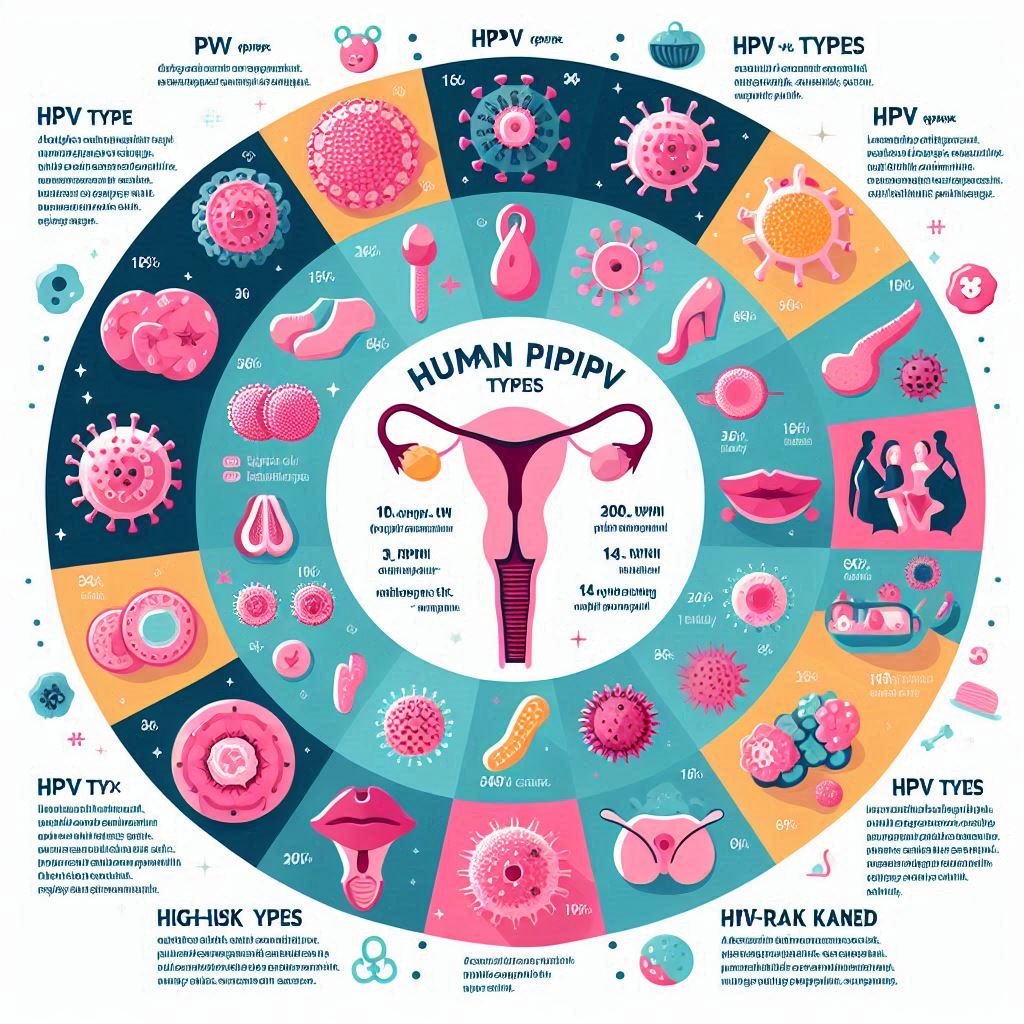
Create an informative and visually engaging infographic illustrating the different types of Human Papillomavirus (HPV). Include a section that highlights the over 200 HPV types, with a focus on the 14 high-risk types. Use simple icons or illustrations to represent each type, and incorporate statistics about HPV prevalence and its association with various cancers, such as cervical, anal, and throat cancers. The color scheme should be vibrant yet professional, making it easy to read and understand, with a clear title at the top reading "Understanding HPV and Its Cancer Risks."

Understanding HPV-Related Cancers: Cancer remains one of the most pressing health challenges around the globe. While there are many contributing factors to cancer, one significant infectious agent that has garnered attention is the Human Papillomavirus (HPV). This sexually transmitted virus is primarily known for its connection to cervical cancer, but its implications extend to several other types of cancers as well. This blog will explore HPV, the cancers associated with it, current prevention and treatment efforts, and what you can do to stay informed and safe. What is HPV? Human Papillomavirus (HPV) is a group of viruses that infect both men and women. There are over 200 types of HPV. Most types do not cause serious health problems. However, about 14 types are classified as “high-risk.” These high-risk types can potentially lead to various cancers. HPV and Cancer Why is HPV a Concern? The concern with HPV lies in the fact that many people who contract the virus do not show symptoms. This means that the virus can spread unknowingly, and individuals may not realize they are at risk of developing cancer until it is too late. High-risk HPV types have oncogenes, specifically E6 and E7, that interfere with the body’s ability to suppress tumors. They work by degrading important tumor suppressor proteins like p53 and pRb, allowing abnormal cells to grow and potentially form cancer. Current Efforts in Prevention and Treatment https://fuelforlife365.com/ Understanding the Biological Mechanisms Research has shown that HPV not only leads to cancer by disabling key cellular checkpoints, but it also alters various cellular processes involved in DNA repair, angiogenesis (formation of new blood vessels), and apoptosis (programmed cell death). Comprehensive analyses of genes involved in DNA repair reveal significant differences between HPV-positive and HPV-negative cancers, indicating that the virus influences how our cells respond to damage. What Can You Do? Being informed is the first step toward prevention. Here are some actions you can take: Conclusion HPV is a widespread virus that can lead to serious health consequences, including various types of cancer. By understanding how HPV works and staying proactive about vaccination and screening, you can protect yourself and encourage others to do the same. Together, we can contribute to a decrease in HPV-related cancers and promote better health outcomes for everyone. Take charge of your health and stay informed!

What Is the Benefits of Fish Consumption for Aging?

Consuming fish, particularly fatty varieties rich in omega-3 fatty acids, offers numerous benefits for aging individuals. These beneficial fats are known to support heart health, reduce inflammation, and enhance brain function, potentially lowering the risk of cognitive decline and dementia. Additionally, fish is a high-quality source of protein that aids in maintaining muscle mass, which is crucial as we age. The vitamins and minerals found in fish, such as vitamin D and selenium, also contribute to overall health, supporting bone strength and immune function. Regular fish consumption can play a significant role in promoting vitality and well-being in later years. *Image prompt: A vibrant plate of grilled salmon with a side of sautéed spinach and quinoa, accompanied by a bowl of mixed berries, symbolizing the healthy choices that contribute to cognitive and physical well-being in older adults.*

The Cognitive Benefits of Fish Consumption: A Deep Dive into Health and Aging Introduction As we age, maintaining optimal health becomes increasingly important, and nutrition plays a pivotal role in supporting our well-being. Among the various foods that can enhance health in older adults, fish stands out as a nutritional powerhouse. Rich in omega-3 fatty acids, high-quality protein, and essential vitamins and minerals, fish offers a range of benefits that can help combat age-related decline. From boosting heart health to supporting cognitive function and preserving muscle mass, incorporating fish into the diet can contribute significantly to a vibrant and active lifestyle in the later years. In this exploration, we delve into the specific advantages of fish consumption for aging individuals and how it can enhance quality of life. In this blog post, we’ll examine the potential cognitive benefits of fish consumption backed by recent research, providing you with insights to enhance your dietary choices for better brain health. Understanding Cognitive Impairment and Dementia Cognitive impairment encompasses a range of issues affecting memory, thinking, and social abilities. It can vary from mild impairment, where individuals may experience occasional memory lapses, to severe dementia, which severely limits one’s ability to perform daily activities. Alzheimer’s disease is the most common form of dementia, affecting millions worldwide and creating a substantial burden on families and healthcare systems. Recent studies have identified various factors that may influence cognitive health, and diet has emerged as a crucial area of exploration. Among dietary patterns, consuming fish—especially fatty fish rich in omega-3 fatty acids—has been highlighted for its potential protective effects on the brain. The Role of Omega-3 Fatty Acids You can find omega-3 fatty acids, essential nutrients, primarily in fatty fish like salmon, mackerel, and sardines. These fatty acids are known for their anti-inflammatory properties and their role in promoting brain health. These fatty acids are crucial components of neuronal cell membranes. They also play a key role in forming synapses, which are the connections between nerve cells. Including omega-3s in your diet may support cognitive function and reduce the risk of cognitive decline. Studies suggest that regular fish consumption can lead to better cognitive health outcomes. Research indicates that individuals who consume higher amounts of fish tend to have a lower risk of cognitive impairment or dementia compared to those with lower fish intake. This correlation underscores the potential cognitive benefits of including fish in the diet. https://fuelforlife365.com/ The Evidence: A Meta-Analysis Overview A recent meta-analysis of observational studies has provided strong evidence linking fish consumption to better cognitive function. This analysis included data from 35 studies. It showed that individuals who consume the most fish have a significantly lower risk of cognitive impairment, dementia, and Alzheimer’s disease. Specifically, those with high fish intake had a risk ratio of 0.82 for cognitive decline. Further supporting these findings, dose-response analyses revealed that eating more fish is associated with a lower risk of cognitive issues. For instance, consuming approximately 150 grams of fish per day correlated with a remarkable 30% reduction in the risk of cognitive decline. Also Visit Here How Fish is Beneficial for Brain Health The benefits of fish consumption for cognitive function can be attributed to several factors: Practical Tips for Incorporating Fish into Your Diet If you’re looking to boost your brain health through diet, consider the following tips to incorporate fish and omega-3 fatty acids into your meals: Conclusion As we learn more about diet and cognitive health, adding fish to our meals seems to be a promising way to reduce the risk of cognitive impairment and dementia. The evidence supporting omega-3 fatty acids is strong. It reminds us of how food can impact our health. By making conscious dietary choices and prioritizing nutrient-dense foods like fish, we can take proactive steps for a healthier brain. This may lead to a better quality of life as we age.

Pumpkin Seed Oil: Extraction, Nutrients, and Health Benefits

a visually appealing image that features a bottle of rich, golden pumpkin seed oil placed on a rustic wooden table. Surround the bottle with fresh green pumpkin leaves and vibrant orange pumpkin seeds, some whole and some scattered. Include a small dish of pumpkin seed oil, with a drizzle on the side, to highlight its texture. Add a backdrop of an autumn harvest scene, complete with pumpkins and colored leaves, to capture the essence of seasonal flavors and health benefits.

Pumpkin seed oil (PSO) is a remarkable oil extracted from the seeds of various pumpkin varieties. Known for its rich nutrient profile, it is used in both cooking and medicinal contexts. In this blog, we will explore the extraction methods of pumpkin seed oil, its nutritional constituents, and the potential health benefits it offers. What is Pumpkin Seed Oil? You can derive pumpkin seed oil from the seeds of pumpkins, particularly the varieties Cucurbita pepo and Cucurbita maxima. This oil serves not only as a flavorful addition to meals but also as a nutrient-rich ingredient that can support overall health. Nutritional Composition Pumpkin seed oil is notable for its high content of unsaturated fatty acids. Among these, linoleic acid is the main component. Unsaturated fatty acids are beneficial for heart health and can help reduce bad cholesterol levels. In addition, pumpkin seed oil contains valuable nutrients like tocopherols (a form of Vitamin E), phytosterols, and phenolic acids. Extraction Methods The way pumpkin seed oil is extracted can affect its yield, composition, and quality. Conventional methods such as cold pressing and solvent extraction have been commonly used. However, new technologies are emerging, which are considered more effective and environmentally friendly. These novel techniques offer promising alternatives to traditional methods. They provide safer and more efficient ways to extract pumpkin seed oil, ensuring higher quality products. https://fuelforlife365.com/ Health Benefits Research indicates that pumpkin seed oil has various health benefits. Numerous in vitro (test-tube) and in vivo (live organism) studies have shown its potential in several areas: Using Pumpkin Seed Oil in Your Diet Incorporating pumpkin seed oil into your diet is easy. It has a rich, nutty flavor that enhances salads, pasta, and vegetables. You can also use it in dips or drizzle it over cooked dishes for added flavor and nutrition. However, it is best not to use it for frying, as high temperatures can damage its nutritional properties. Also Visit Here For More Conclusion Pumpkin seed oil is a versatile and nutrient-rich oil that can greatly benefit your health. Its extraction methods are evolving, leading to higher quality and more effective products. The oil’s rich content of unsaturated fatty acids, antioxidants, and other important nutrients makes it a valuable addition to a healthy diet. As research continues to unveil the benefits of pumpkin seed oil, incorporating it into your meals may help protect against various health issues. Whether you use it as a salad dressing or a drizzling oil for cooked dishes, pumpkin seed oil offers both flavor and remarkable health advantages. Embrace the benefits of pumpkin seed oil and discover how this simple ingredient can enhance your overall well-being!

the Potential of Luffa Seeds: A Sustainable Superfood

A close-up image of luffa seeds scattered on a wooden surface, showcasing their unique, textured brown shells. The background features a blurred bowl of creamy yogurt, with a sprinkle of luffa seed powder on top, accompanied by fresh fruit slices. Natural light illuminates the scene, highlighting the organic and rustic feel. The composition invites viewers to explore the nutritional benefits and versatility of luffa seeds in healthy recipes.

In recent years, the conversation around food sustainability has gained significant momentum. Consumers are increasingly curious about innovative ingredients that are not only nutritious but also environmentally friendly. One such ingredient that has emerged from the shadows of food waste is luffa seeds (Luffa cylindrica). Luffa is mainly harvested for its fibrous interior, which is used as an exfoliating sponge. However, its seeds are often discarded. These seeds have nutritional benefits that are often overlooked. This blog explores research on the sensory properties of luffa seeds in food products, focusing on yogurt. We will compare luffa seed powder to other popular seed powders, such as flax, sunflower, chia, and hemp. Understanding Luffa Seeds Luffa, also known as sponge gourd, is a tropical vine widely cultivated for its fibrous fruit. When harvested and processed, the fruit’s fibrous interior is transformed into a natural scrubber, leaving its seeds largely ignored despite their impressive nutritional profile. Luffa seeds are packed with essential fatty acids, protein, vitamins, and minerals. Harnessing these seeds in food products could significantly contribute to reducing food waste while providing consumers with a sustainable and nourishing option. Research Overview A recent study aimed to investigate the sensory properties of luffa seed powder when added to yogurt. The research compared the consumer acceptance and sensory evaluations of luffa seed powder with other popular seed powders, such as flax, sunflower, chia, and hemp. A total of 107 consumers participated in the study, using hedonic scales to evaluate their liking and check-all-that-apply (CATA) formats to assess sensory attributes associated with each seed powder when blended with yogurt. Sensory Properties of Luffa Seed Powder The findings from the study revealed a range of sensory attributes linked to luffa seed powder. Unfortunately, consumers associated the addition of luffa seeds in yogurt with several undesirable sensory characteristics, including: In contrast, when the study assessed other seed powders, particularly flax and sunflower seeds, participants reported much more favorable sensory attributes. The flax and sunflower seeds were noted for their sweet and nutty flavors, mild taste, and smooth texture. This positive response led to significantly higher overall liking scores compared to the yogurt containing luffa seeds and even hemp seeds. Why Consumer Preferences Matter Understanding consumer preferences is crucial in the food industry. Even if an ingredient like luffa seeds possesses remarkable nutritional benefits, poor sensory properties can overshadow these advantages. In an age where consumers are not only health-conscious but also sensitive to the sensory enjoyment of their food, the challenge remains: how can we make sustainable ingredients appealing? The Importance of Sensory Evaluation in Food Development Sensory evaluation is vital for food product development. It helps manufacturers and researchers to understand how different ingredients affect the overall acceptability of food products. Techniques such as hedonic scales and CATA are valuable tools that can provide insights into consumer feelings towards various flavors, textures, and overall satisfaction. Hedonic scaling allows participants to rate their levels of enjoyment, while CATA lets them identify specific sensory attributes they experience. In this study, these methods highlighted the necessary adjustments needed for improving luffa seed powder’s acceptance in food applications. Looking Ahead: Improving Sensory Properties of Luffa Seeds Given the nutritional benefits of luffa seeds, the study emphasizes the need for further research focusing on ingredient processing techniques, such as drying and roasting, to enhance their sensory properties. These methods can significantly alter the flavor profiles and textures of seeds, making them more palatable and acceptable to consumers. For example: By investing in research that explores these processing methods, food manufacturers could potentially unlock the culinary value of luffa seeds, paving the way for their acceptance in mainstream food products. For More Click Here https://fuelforlife365.com/ The Broader Impact of Utilizing Luffa Seeds Incorporating luffa seeds into food products extends beyond personal health benefits. It also has implications for sustainability and food waste reduction. According to food waste statistics, a significant proportion of agricultural products goes to waste due to aesthetic standards or lack of consumer knowledge about nutritional potential. By repurposing luffa seeds, we not only reduce waste but also contribute to a more sustainable food system. Conclusion The journey of luffa seeds from overlooked waste to potential superfood is a testament to the importance of research in the food industry. While current findings suggest that luffa seeds struggle to meet consumer sensory preferences compared to their counterparts, the potential for improvement and innovative food products remains high. As consumers continue to seek sustainable food options, understanding how to enhance the appeal of such ingredients can bridge the gap between nutritional value and sensory enjoyment. Future research into processing techniques could lead to more appealing formulations and better consumer acceptance. By embracing and investing in these sustainable ingredients, we can forge a path toward a healthier, more environmentally responsible food culture.

Illness Anxiety Disorder(hypochondriasis): In-Depth Overview

Create an image depicting a person sitting on a doctor's examination table, looking anxious as they examine medical pamphlets about various illnesses. Surround them with scattered healthcare-related items such as prescription bottles, a stethoscope, and an open laptop displaying health statistics. The room is bright yet sterile, symbolizing the clinical atmosphere, while a clock on the wall suggests the passing time amplifying their anxiety. Expressions of worry and contemplation highlight the emotional struggle of dealing with Illness Anxiety Disorder (IAD).

Illness Anxiety Disorder (IAD), previously known as hypochondriasis, is a mental health condition characterized by excessive worry about having, or acquiring, a serious illness. This condition can be debilitating, negatively impacting the lives of those affected and placing a significant burden on society. Recent research has shed light on various aspects of IAD, including its risk factors, diagnostic classification, clinical characteristics, assessment methods, and treatment options available for both children and adults. The Burden of IAD The repercussions of IAD extend far beyond the individual level; they ripple through families, healthcare systems, and society as a whole. Individuals diagnosed with IAD often experience considerable distress and impairment in their daily functioning. This can manifest in various ways, including frequent medical consultations, unnecessary medical tests, and a pervasive preoccupation with health status that impacts social interactions and work life. The societal burden of IAD is reflected in increased healthcare costs and the allocation of resources towards addressing the symptoms rather than the underlying issues associated with the disorder. Classification and Debate Surrounding IAD One area of ongoing debate in the realm of mental health is the classification of IAD. The Diagnostic and Statistical Manual of Mental Disorders, Fifth Edition (DSM-5), introduced a specific diagnostic criterion for IAD, but this decision has not gone without controversy. Some experts argue that IAD should be classified purely as an anxiety disorder, while others contend that its features overlap significantly with Somatic Symptom Disorder, leading to complications in treatment approaches and understanding. This discussion is vital as misclassification can influence diagnosis and subsequent treatment strategies. Proper classification aids in ensuring that individuals receive the most appropriate care tailored to their specific symptoms and circumstances. Clinical Characteristics of IAD Individuals with IAD often experience a range of symptoms that may vary in intensity and duration. These symptoms typically include preoccupations with fears of illness that can lead to performance anxiety, social withdrawal, and significant distress over perceived health risks. Commonly reported concerns are related to serious medical conditions, such as cancer or heart disease, and the worry often persists despite medical reassurance. Additionally, it is important to note that IAD can be chronic in nature. Many individuals may cycle through periods of heightened anxiety about their health, interspersed with times of relative calm, but the fear often resurfaces, impacting overall quality of life. Assessment Tools and Measures To better understand and diagnose IAD, healthcare providers have developed a range of validated measures designed to assess levels of health anxiety. These tools can be crucial in determining the severity and impact of symptoms on an individual’s daily life. Practitioners may utilize questionnaires and structured interviews to gain insights into a person’s thought patterns, behaviors relating to health concerns, and overall mental well-being. However, despite the availability of assessment tools, research and evidence surrounding the assessment of health anxiety in children and adolescents remain limited. This is a critical gap, as early identification and intervention can significantly reduce the chronicity and debilitating effects of IAD. A nuanced understanding of how health anxiety manifests among younger populations is essential to developing targeted interventions. Effective Treatment Options: Cognitive Behavioral Therapy (CBT) Research has consistently shown that Cognitive Behavioral Therapy (CBT) is an effective treatment for IAD. Cognitive Behavioral Therapy (CBT) emphasizes recognizing and changing unproductive thought patterns and behaviors. Through structured sessions, patients learn to challenge irrational fears and develop healthier ways of thinking about health and illness. The efficacy of CBT for treating IAD is supported by various studies highlighting improvements in anxiety symptoms and overall functioning. CBT not only addresses the cognitive aspects of health anxiety but also offers coping strategies that individuals can use in their daily lives. The therapeutic alliance established during CBT can also provide individuals with much-needed support, helping them navigate their concerns in a structured environment. The Chronic Nature of IAD and the Importance of Early Identification IAD is a chronic disorder, and its impact can worsen over time if not addressed appropriately. Early identification of symptoms is crucial as it can lead to timely intervention, enhancing the likelihood of successful management of the disorder. Providing education about IAD and promoting awareness among healthcare providers is essential to improving detection rates. Individuals presenting with health concerns should be screened for anxiety symptoms, as this can lead to a more holistic approach in treatment. You Can Also Visit here A Call for Research: Understanding IAD in Children and Youth While there has been a growing body of research focused on IAD in adults, studies investigating health anxiety in children and adolescents are sorely lacking. Given the significant mental health implications, it is essential to prioritize research that explores the presentation, prevalence, and impact of IAD among younger populations. Developing tailored treatment options that consider the unique developmental aspects of children and adolescents can lead to better mental health outcomes and improve their ability to function and thrive. Conclusion Illness Anxiety Disorder is a complex and multifaceted condition that warrants greater attention in both clinical practice and research. Understanding the burden it places on individuals and society is essential for advocating for early identification and effective treatment options. While CBT has proven to be a viable treatment strategy, the necessity for further research, especially among children and adolescents, is clear. As healthcare professionals, researchers, and society at large aim to improve mental health outcomes, concerted efforts should be made to understand IAD more comprehensively. This includes addressing classification debates, enhancing assessment methods, and expanding treatment options for all age groups. By fostering dialogue and understanding around this disorder, we can work to alleviate the burden of health anxiety and support individuals in leading healthier, more fulfilling lives.