
Constipation Relief Foods for Babies

Constipation Relief Foods for Babies (6-12 Months)
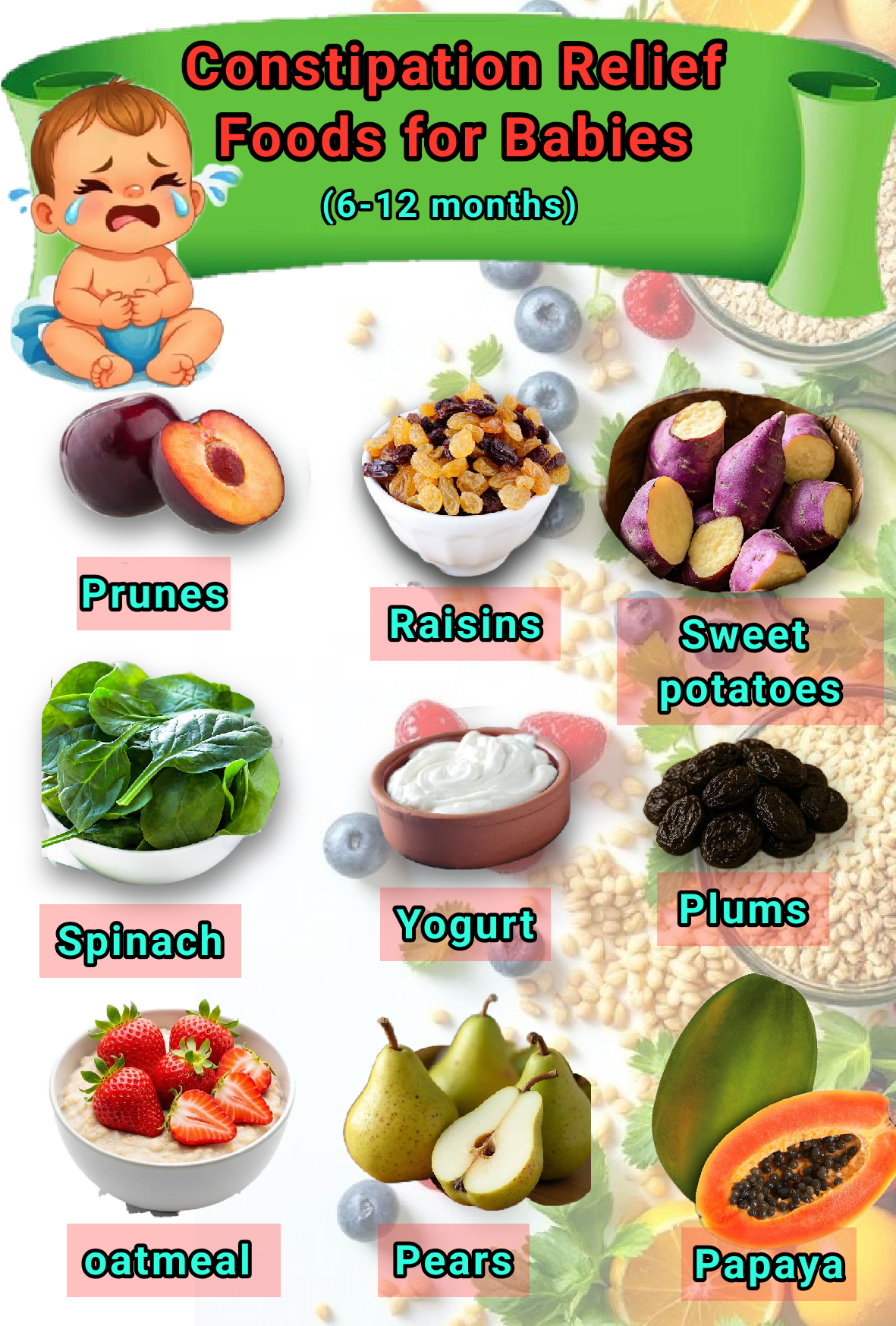
Constipation Relief Foods for Babies (6-12 Months) Constipation is when a person, including babies, has difficulty passing stool or has infrequent and hard bowel movements. It can cause discomfort or pain for the baby.   During constipation, babies may show certain signs or behaviors. They might cry more than usual because they feel uncomfortable. They could strain or put in extra effort when trying to pass stool. Sometimes, they might pass hard, dry stools or have fewer bowel movements than normal. Their stomachs may appear swollen or bloated, and they might seem irritable or unhappy. It’s important for parents to watch for these signs and help their babies by providing gentle foods and ensuring they stay hydrated to make passing stool easier. To help soften stools and improve digestion, there are some gentle foods that can be included in a baby’s daily diet. 9 Constipation Relief Foods for Babies 1. Papaya: Parents are advised that papaya can help relieve constipation because it contains enzymes such as papain, which support digestion by breaking down proteins and improving gut health. Papaya is also rich in dietary fiber, which adds bulk to the stool and helps promote regular bowel movements. Additionally, it has a high water content that helps keep the stool soft and easier to pass. Papaya is gentle on a baby’s stomach and can be introduced in small, mashed portions to aid in digestion and prevent constipation. It also provides essential nutrients like vitamin C, vitamin A, and antioxidants that support overall health. 2. Pears: Pears are high in dietary fiber and are easy for babies to digest, making them a gentle and effective option to promote regular bowel movements. The fiber in pears, especially soluble fiber like pectin, helps add bulk to the stool and supports healthy digestion. Pears also contain a good amount of water, which helps keep the stool soft and easier to pass. Because they are naturally sweet and mild in flavor. pears are often well-tolerated by babies and can be introduced as a pureed fruit to help prevent or relieve constipation. 3. oatmeal: Oatmeal is a gentle whole grain that provides a rich source of dietary fiber, which can help regulate a baby’s digestion and prevent constipation. The soluble fiber in oatmeal, especially beta-glucan, forms a gel-like substance in the gut that promotes healthy bowel movements. Oatmeal is also easy to digest and can be a nutritious, comforting breakfast option for babies. Introducing oatmeal in pureed or mashed form can support digestive health and contribute to overall nutritional intake. 4. Prunes: Prunes are considered a natural laxative because they are rich in dietary fiber and sorbitol, a sugar alcohol that helps draw water into the intestines. This combination can help loosen stool and promote regular bowel movements in babies. Prunes are often used as a gentle remedy for constipation and can be introduced to babies in pureed form or as prune juice (diluted) to support digestive health. 5. Sweet potatoes : These are a highly nutritious root vegetable that offers numerous health benefits, especially for babies. They are naturally rich in dietary fiber, which helps promote healthy digestion by supporting regular bowel movements and preventing constipation.   Additionally, sweet potatoes are gentle on the stomach and easy to digest, making them suitable for babies who are just beginning to try solid foods. The fiber content not only aids in smooth digestion but also helps maintain a healthy gut environment. Furthermore, sweet potatoes are packed with essential vitamins and minerals, such as vitamin A, vitamin C, and potassium, which contribute to overall growth and immune health. Incorporating sweet potatoes into a baby’s diet can support their digestive system development and promote overall well-being. 6. Yogurt : The probiotics found in yogurt can be beneficial for kids who experience constipation. Probiotics help promote healthy gut bacteria, which can improve bowel movements and support regularity. By maintaining a balanced digestive system, probiotics can help reduce the difficulty and discomfort associated with constipation in children. Including yogurt with probiotics as part of a kid’s diet, along with other fiber-rich foods and adequate hydration, can be an effective way to help manage and prevent constipation.. 7. Spinach: Spinach is a nutritious leafy green vegetable that can be very helpful for kids struggling with constipation. It is high in dietary fiber, which adds bulk to the stool and makes it easier to pass through the digestive system. Fiber also helps retain water in the intestines, softening the stool and promoting regular bowel movements. In addition to fiber, spinach contains magnesium, a mineral that helps relax the muscles in the intestines, making it easier for stool to move through the digestive tract. Magnesium also attracts water into the intestines, which can further soften the stool and improve bowel movement. For kids with constipation, including spinach in their diet can be beneficial. You can serve it cooked, steamed, or added to smoothies and salads. Combining spinach with other fiber-rich foods and ensuring they stay well-hydrated can effectively help relieve constipation and promote healthier, more regular bowel movements in children. 8. Raisins: Raisins are a great natural snack for kids dealing with constipation because they are rich in dietary fiber. The fiber in raisins helps add bulk to the stool and encourages regular bowel movements, making digestion smoother. Additionally, raisins contain natural sugars and sorbitol, a sugar alcohol that has a mild laxative effect, which can help stimulate bowel movements in children. Including small amounts of raisins in a child’s diet—such as mixing them into oatmeal, yogurt, or trail mixes—can support healthy digestion and alleviate constipation. However, since raisins are calorie-dense and contain natural sugars, it’s best to give them in moderation as part of a balanced diet to avoid any potential issues with excessive sugar intake. 9. Plums: Plums are an excellent natural remedy for constipation in kids because they are high in dietary fiber and contain compounds called sorbitol and phenolic compounds, which act as natural laxatives.   The fiber in plums … Read more

Yoga and Dietary Tips For Kidney Disease (PKD)

cat cow pose

Polycystic Kidney Disease (PKD) is a genetic disorder that affects millions of people worldwide. It’s a condition that can be challenging, but understanding its aspects can empower those affected to take charge of their health. In this blog, we’ll explore what PKD is, highlight its symptoms, discuss the benefits of yoga, and provide a dietary plan to enhance kidney health. What is Polycystic Kidney Disease (PKD)? Polycystic Kidney Disease (PKD) is a genetic disorder characterized by the formation of numerous fluid-filled cysts within the kidneys. These cysts can grow and multiply over time, causing the kidneys to enlarge and potentially leading to impaired kidney function. In severe cases, PKD can result in kidney failure. Types of Polycystic Kidney Disease: Symptoms of PKD: While many individuals with PKD may be asymptomatic for years, common symptoms can include: Importance of Early Diagnosis and Management: Although PKD can lead to severe complications and an increased risk of kidney failure, early diagnosis can significantly improve management options and quality of life. Regular monitoring of kidney function, blood pressure management, and lifestyle modifications can help slow the progression of the disease. With appropriate care, individuals with PKD can lead fulfilling lives while managing the impact of this condition on their health. Conclusion: Understanding PKD is essential for those affected by the disorder, their families, and healthcare providers. Awareness of the symptoms and types of PKD can facilitate earlier diagnosis and proactive management strategies, ultimately enhancing quality of life for patients living with this genetic condition. If you suspect that you or a loved one may have PKD, it’s vital to consult with a healthcare professional for a thorough evaluation and tailored management plan. The Benefits of Yoga for Polycystic Kidney Disease (PKD) Yoga is not just a physical exercise; it is a holistic practice that encompasses the mind, body, and spirit. For individuals living with Polycystic Kidney Disease (PKD), incorporating yoga into their daily routine can provide numerous benefits that help manage both the physical and emotional challenges associated with the condition. Below are five key benefits of practicing yoga for those affected by PKD: 1. Stress Reduction Living with a chronic illness can lead to significant stress and anxiety. Stress is known to exacerbate kidney issues, making effective stress management essential. Yoga promotes relaxation through mindfulness and deep breathing exercises. Techniques such as pranayama (breathing exercises) not only help reduce stress levels but also improve oxygen flow and enhance overall mental clarity. By incorporating restorative practices, individuals can cultivate a sense of peace and balance in their lives. 2. Improved Circulation Certain yoga postures enhance blood circulation, which is vital for maintaining healthy kidney function. Improved blood flow ensures that the kidneys receive an adequate supply of oxygen and nutrients while promoting the efficient removal of toxins from the body. Poses that involve stretching and opening the body, such as forward bends and twists, can stimulate the kidneys and support their functioning. 3. Strength and Flexibility Regular yoga practice helps build overall body strength and flexibility, which can be particularly beneficial for individuals experiencing discomfort or pain due to cyst growth. Strengthening the core and back muscles—often targeted in yoga—provides better support to the kidneys and may alleviate some of the physical strain associated with the disease. Additionally, the increased flexibility can lead to improved posture and a greater range of motion, which can reduce tension and enhance comfort. 4. Weight Management Managing weight is crucial for individuals with PKD, as obesity can complicate the condition and increase the risk of high blood pressure and diabetes. Practicing yoga can help promote a healthy lifestyle, encouraging individuals to be more mindful of their bodies and dietary choices. The practice itself can be a form of low-impact exercise that helps maintain a healthy weight, while also promoting self-discipline and awareness. 5. Holistic Wellness Yoga emphasizes the interconnectedness of the mind, body, and spirit, fostering a holistic approach to health and well-being. For individuals with PKD, adopting a balanced lifestyle that includes physical activity, proper nutrition, and mindfulness can have a positive impact on overall health. By cultivating a sense of self-awareness and emotional resilience through yoga, individuals can better navigate the challenges of living with PKD, leading to an improved quality of life. https://fuelforlife365.com/blog/ For More Topics Recommended Yoga Poses for PKD Conclusion Incorporating yoga into the lifestyle of someone living with Polycystic Kidney Disease can provide significant benefits that extend beyond physical fitness. With a focus on stress reduction, improved circulation, enhanced strength and flexibility, better weight management, and holistic wellness, yoga can be a powerful tool in managing PKD. As always, it is essential to consult with a healthcare provider before starting any new exercise regimen and to consider working with a qualified yoga instructor familiar with health conditions to ensure safe and effective practice. By embracing yoga, individuals with PKD can enhance their overall well-being and quality of life. Dietary Plan for Managing Polycystic Kidney Disease (PKD) A balanced diet is crucial for supporting kidney health in individuals with PKD. Here’s a simple plan to help you manage your diet effectively: General Dietary Tips: Sample Day’s Meal Plan: Breakfast: Snack: Lunch: Snack: Dinner: Evening Snack: Feel free to modify this plan to suit your taste and dietary needs! Conclusion Living with Polycystic Kidney Disease can feel daunting, but by understanding the disease, recognizing symptoms, incorporating yoga, and making dietary adjustments, individuals can take proactive steps toward better health. Collaboration with healthcare providers, including dietitians and yoga instructors, can further guide the journey, ensuring that wellness remains a priority. By embracing a lifestyle focused on balance—physically, emotionally, and nutritionally—those with PKD can enhance their quality of life and empower themselves to thrive.