Are Your Eating Habits Shortening Your Life? Circadian Rhythms

Imagine a vibrant clock with a sun and moon motif, representing the natural cycle of day and night. Surrounding the clock are various foods, like fruits, vegetables, and whole grains, arranged according to different times of the day. The image subtly illustrates the concept of circadian rhythms influencing our eating habits. On one side, depict a person enjoying a balanced breakfast in the morning light, while on the other side, show someone snacking late at night, with shadows and dim lighting. Incorporate visual elements that suggest the impact of these habits on health, like a heartbeat symbol or an hourglass, to emphasize the connection between eating times and lifespan. The overall tone should evoke curiosity about how our daily food choices align with our body's internal clock.

Unlocking the Clock: The Life- and Brain-Enhancing Effects of Circadian Rhythm-Restricted Diets It is increasingly common in our modern time to hear about the effect of diet on our health and well-being. The timing of our meals, governed by our circadian rhythm, significantly influences our health, cognitive functions, and lifespan. Recent research highlights the connection between circadian-restricted diets and our biological clock. These diets can improve cognitive function and promote longevity. In this blog, we will explore how circadian rhythm-restricted diets regulate autophagy. This process helps prevent cognitive decline and supports a longer life. Understanding Circadian Rhythms Circadian rhythms are approximately 24-hour cycles governing various physiological processes in our bodies, including sleep-wake cycles, hormone releases, metabolism, and even cognitive functions. Rhythms run under this internal biological clock in response to light and darkness environmental signals. When we cultivate a lifestyle that falls in harmony with our circadian rhythms, we enable our bodies to function optimally. However, these rhythms are disrupted by a multitude of factors. Modern habits—namely, late-night eating, irregular meal times, and consumption of processed foods—can significantly disrupt our biological clocks. This eventually leads to the development of several health problems, including metabolic disorders, cardiovascular diseases, and cognitive decline. The Influence of Diet on Health and Aging Diet is a cornerstone of our health; however, it is often overlooked how the timing and quality of our food intake can influence our well-being. Skipping breakfast or eating heavy meals late at night can adversely affect metabolism, leading to weight gain and other metabolic dysfunctions. Studies have shown that such dietary habits raise the risk of developing serious health conditions such as atherosclerosis, Alzheimer’s disease, and Parkinson’s disease. Along with these, cognitive dysfunction has also been linked to the abnormal deposition of amyloid β (Aβ) and tau proteins in the brain and impairments in synaptic function. Optimal nutrients along with regenerative processes are desired for proper working of the brain, which an inappropriate dieting pattern hampers.Circadian Rhythm-Restricted Diets: The Novel Approach In light of challenges brought on by modern lifestyles, researchers are investigating circadian rhythm-restricted diets as a potential non-pharmacological intervention to improve declining cognitive function and overall health. For More Click Here Some Key Findings from Latest Research A recently published study by Xiqi Hu and colleagues has uncovered several crucial mechanisms by which circadian rhythm-restricted diets improve cognition and potentially extend lifespan. A few of these findings are listed below: Metabolic Effects A diet otherwise healthy and in sync with circadian rhythms maximizes not only the metabolism of lipids and glucose but also of important amino acids, including branched-chain amino acids and cysteine. The synchronization of our eating schedule with our biological clock might possibly fine-tune metabolic functioning. Role of Autophagy: The cellular mechanisms to remove damaged organelles and aberrant protein accumulations promote the cellular and neuroprotective functions of autophagy. Induction of autophagy has thus been broadly found to be very important for maintaining cellular health and preventing neurodegenerative disease. The experiment shows that dietary restrictions based on a circadian rhythm activate pathways associated with autophagy through molecules like adenosine monophosphate-activated protein kinase (AMPK) and mTOR, engaging these pathways can allow our bodies to better handle toxic proteins associated with cognitive dysfunction. Increased Neurotrophic Factors: The main and most promising effect of a circadian rhythm-restricted diet is that it increases BDNF in the forebrain. BDNF supports survival of neurons as well as the mechanisms of synaptic plasticity-the basic, crucial mechanisms by which learning and memory are stored. The more BDNF, therefore, the better the cognitive functions, and the higher the neuro-developmental health will be. Mechanisms of Action To appreciate why an exclusively circadian-restricted diet may prove so beneficial, it becomes important to understand the biochemical pathways behind this: Activation of AMPK: AMPK is another enzyme playing crucial roles in the balance of energy and the metabolic regulation. When activated via a circadian diet, AMPK causes autophagy, thereby setting free the cellular waste for better recycling processes in the body. mTOR Regulation: The mTOR pathway is central to cell growth and metabolism. A circadian diet will prove beneficial in controlling the action of the mTOR pathway to favor autophagy and inhibit protein aggregation. Role of D-β-Hydroxybutyrate (D-BHB): As part of ketosis, D-BHB is generated as a ketone body that also plays a role in cognitive function improvement through the induction of autophagy machinery. The metabolic generation of D-BHB in the organism because of a circadian rhythm-restricted diet may confer neuroprotection. Neuropeptide Y (NPY) Regulation: NPY is a peptide that can modulate the appetite and energy balance. Diet patterns may also regulate the levels, which further links diet quality and timing to metabolic health. Longevity and Cognitive Health The implications of these findings hold much promise in that they suggest that living by circadian rhythms can improve cognitive function, prevent neurodegenerative diseases, and maybe even extend longevity. Most importantly, the attenuation of cognitive decline with age is critical for any aging global population. Moreover, the fact that lifestyle decisions do impact length of life underlines the need for an active approach. Where one is relying greatly on medication and therapies, human beings can in fact take control of their health by taking circadian rhythm-restricted diets. This is not just about what you eat, but also as to when.Practical Tips on How to Implement a Circadian Rhythm-Restricted Diet If you’re interested in incorporating a circadian rhythm-restricted diet into your routine, consider the following practical tips: Meal Timing: Aim to consume most of your meals within a 10 to 12-hour window that aligns with daylight hours. This often means eating breakfast shortly after waking and having the last meal at least a few hours before bedtime. Quality Foods: Eat whole, nutrient-rich foods: fruits, vegetables, whole grains, lean proteins, and healthy fats. Avoid processed foods that can interfere with your metabolism and wreak havoc on overall health. Establish a Regular Sleep Schedule Go to bed and wake up at the same times every day. This helps to enhance your internal biological clock. Be … Read more

Beware of Adulterated Brain Health Supplements

an image depicting a variety of brain health supplements scattered on a table, with some capsules visibly breaking open, revealing suspicious, colorful powders inside. Include a magnifying glass examining one of the capsules, emphasizing the theme of adulteration—showing signs of contamination, like foreign particles or unusual textures. In the background, illustrate subtle warning signs or labels that suggest caution, such as "Check for purity" or "Not for consumption." The overall tone should evoke a sense of concern and encourage viewers to be vigilant about the supplements they choose for their cognitive health.

The Hidden Dangers: Adulteration of Brain Health Food Supplements In recent years, the popularity of dietary supplements, especially those targeting cognitive function, mood enhancement, and sleep support, has skyrocketed. This surge in demand is particularly pronounced in developed regions, where consumers increasingly seek alternative remedies and support for mental well-being. However, alongside this increasing consumption comes a troubling trend: the adulteration of these supplements with unregulated pharmaceutical drugs. This blog will delve into the implications of this adulteration and the importance of understanding what we consume. Understanding Dietary Supplements and Adulteration Dietary supplements include vitamins, minerals, herbs, and amino acids. They are often intended to enhance health and wellness. Brain health supplements, or nootropics, aim to improve cognitive function, mood, and sleep quality. Recent studies, including a review by Rafael Paiva and colleagues, have raised concerns. While supplements for sexual performance, weight loss, and muscle building face scrutiny for fraud, brain health supplements have not received the same level of attention. Adulteration occurs when manufacturers illegally add pharmaceutical drugs to their products to amplify desired effects, often without disclosure. This deceptive practice poses significant risks to consumers, who may unknowingly ingest substances that can cause harmful side effects, interact negatively with prescribed medications, or lead to substance abuse. The Rise of Adulteration in Brain Health Supplements As more individuals seek natural solutions for cognitive enhancement and emotional stability, the market for these supplements has grown. Unfortunately, with this growth comes an increase in adulteration practices. Recent reports indicate a concerning trend where illicit practices have made their way into this segment, further raising the question of product authenticity and safety. In the realm of brain health supplements, the addition of pharmaceutical drugs can be particularly dangerous. For instance, substances that claim to enhance focus or mood may contain components such as synthetic stimulants or antidepressants, which can drastically alter a person’s neurochemistry. This manipulation not only jeopardizes the health of consumers but also undermines the integrity of the entire dietary supplement industry. Analytical Approaches to Detect Adulteration Detecting adulteration in dietary supplements, especially those aimed at brain health, is crucial for consumer safety. Paiva and colleagues stress that effective detection methods primarily rely on advanced analytical techniques, particularly chromatographic methods coupled with mass spectrometry (MS). These techniques can effectively identify both targeted and untargeted pharmaceutical adulterants within PFS. Chromatography is an analytical technique used to separate different components within a mixture. This process allows researchers to identify and quantify various substances found in dietary supplements. There are different types of chromatography, including high-performance liquid chromatography (HPLC), which is used for liquids, and gas chromatography (GC), suited for volatile substances. Mass Spectrometry (MS) is frequently utilized alongside chromatography. Once components are separated by chromatography, MS analyzes them to provide detailed information about their molecular structure. This combination is particularly effective for detecting adulterants, which are impurities or illegal substances, even in very small quantities. https://fuelforlife365.com/ Targeted vs. Untargeted Analysis refers to two distinct approaches in analyzing samples: Both targeted and untargeted analyses are crucial for thoroughly assessing the safety and integrity of dietary supplements, helping to ensure that products are free from harmful contaminants. Both researchers and regulatory agencies must collaborate to enhance monitoring of the supplement industry and ensure that consumers are protected from such risks. For More You Can Read Also Consumer Awareness and Safety With the alarming rise in the adulteration of brain health supplements, consumer awareness is essential. It is vital to prioritize safety and make informed choices regarding dietary supplements. Here are some practical steps consumers can take: Conclusion The landscape of dietary supplements, especially those focused on brain health, is rapidly evolving. However, the adulteration of these products with pharmaceutical drugs presents a significant danger to consumers. As demand continues to grow, so must vigilance—in both research and consumer habits. By utilizing advanced analytical techniques and fostering consumer awareness, we can help to ensure the safety and integrity of the supplements that many individuals rely on for their cognitive and emotional well-being. Always remember: your health is too important to leave to chance.

Cold Therapy for Pain Relief in Chest Tube Removal

an illustration depicting a patient in a hospital room undergoing chest tube removal. The patient appears relaxed and comfortable, with a healthcare professional gently applying a cold pack to the chest area. Include visual elements like a supportive hospital environment, medical equipment in the background, and calming colors to enhance the overall soothing atmosphere. Add text overlay that reads "Cold Therapy for Pain Relief" to emphasize the focus of the image.

The Efficacy of Cold Therapy for Pain and Anxiety in Chest Tube Removal: Insights from Recent Research Cold therapy has emerged as an effective method for pain relief in various medical procedures, including chest tube removal. This non-pharmacological approach involves the application of cold to the affected area, which can help alleviate pain and reduce anxiety during a process that many patients find distressing. Research, including systematic reviews and meta-analyses, indicates that cold therapy not only improves patient comfort but also enhances overall procedural satisfaction. As healthcare continues to shift towards holistic and patient-centered care, cold therapy stands out as a valuable strategy for managing discomfort and promoting a more positive experience for patients undergoing chest tube removal. In recent years, medical professionals have sought non-pharmacological methods to manage pain and anxiety during medical procedures. Cold therapy has gained attention for its potential benefits in alleviating discomfort during chest tube removal. A systematic review and meta-analysis by Hsin-Yi Lu and colleagues explores this topic. Their findings offer valuable insights into the impact of cold therapy on patients’ experiences during this challenging procedure. Understanding Chest Tube Removal Chest tube removal is a common procedure for patients recovering from thoracic surgery, trauma, or certain respiratory conditions. The procedure may be necessary when lungs re-expand or fluid drainage is no longer required. However, the removal process can be associated with significant pain and anxiety, leading to a less than satisfactory experience for many patients. Consequently, finding effective ways to mitigate these experiences is crucial for enhancing patient care and outcomes. A Closer Look at Cold Therapy Cold therapy, also known as cryotherapy, involves using cold substances or methods to reduce inflammation, pain, and discomfort. In chest tube removal, cold therapy can serve as a non-invasive method to ease pain and alleviate anxiety. It provides physiological distraction and promotes relaxation. Research Overview The systematic review and meta-analysis by Lu et al. aimed to evaluate the effectiveness of cold therapy for pain and anxiety during chest tube removal. The researchers conducted a thorough search of eight electronic databases. These databases included the Cochrane Library, PubMed, Embase, CINAHL, ProQuest, Airiti Library, China National Knowledge Infrastructure, and the National Digital Library of Theses and Dissertations in Taiwan. Their search encompassed research literature up to August 2022. Out of the literature available, 24 randomized controlled trials involving 1,821 patients were included in the analysis. This robust sample size provided a well-rounded view of the effectiveness of cold therapy in these specific circumstances. Key Findings The results of the meta-analysis were promising. Cold therapy was found to significantly reduce pain during and after the chest tube removal procedure. The calculated effect size for pain reduction during the removal was reported as Hedges’ g: -1.28, which signifies a large effect. Similarly, pain experienced post-removal also decreased significantly, providing evidence that cold therapy has immediate and lasting benefits. The study also showed that cold therapy effectively reduced anxiety after chest tube removal, with an effect size of -1.27. This indicates that cold therapy not only alleviates physical pain but also addresses psychological distress related to medical procedures, highlighting its importance in patient care. The research highlighted an interesting correlation as well: the effect size of cold therapy for reducing anxiety was significantly and positively associated with its effect on pain reduction after chest tube removal. This interrelationship emphasizes the importance of addressing both physical and emotional aspects of patient care. By alleviating pain, healthcare providers might also contribute to a reduction in anxiety, leading to a more favorable overall experience for the patient. https://fuelforlife365.com/ Implications for Clinical Practice The findings from this systematic review and meta-analysis hold significant implications for clinical practice. With evidence supporting the effectiveness of cold therapy as a non-invasive method to manage pain and anxiety, medical professionals may consider incorporating such techniques in routine patient care protocols, especially for procedures like chest tube removal. Implementing cold therapy could enhance patient comfort and potentially lead to shorter recovery times and higher patient satisfaction scores. Additionally, using non-pharmacological strategies like cold therapy supports the broader effort to reduce opioid dependence in medical practice, addressing a critical issue in today’s healthcare landscape. You May Also Visit Here Conclusion The systematic review by Hsin-Yi Lu et al. provides strong evidence for cold therapy’s efficacy. Cold therapy is effective in managing pain and anxiety during chest tube removal. The medical community is exploring holistic, non-invasive patient care methods. Cold therapy improves patients’ experiences during painful procedures. Incorporating these strategies enhances patient comfort significantly. This emphasizes the importance of patient-centered care in modern medicine. Healthcare professionals must address the multifaceted needs of patients. Evidence-based practices will elevate the standard of care. Cold therapy represents a compassionate approach to healthcare.

Effective Family Interventions for Childhood Obesity Prevention

an inspiring image that depicts a diverse group of children joyfully engaged in outdoor activities, such as riding bicycles, playing soccer, and climbing trees. In the foreground, a picnic blanket is spread out with an array of colorful fruits and vegetables, while some children share healthy snacks and laughter. The background features a sunny day with lush greenery, symbolizing vitality and health. The overall atmosphere conveys the importance of active play and nutritious eating in preventing childhood obesity, promoting a joyful and healthy lifestyle.

Tackling Childhood Obesity: The Role of Family Interventions in Early Childhood Childhood obesity prevention is a critical issue that affects millions of children worldwide. By promoting healthy eating habits and encouraging regular physical activity, we can help combat this growing epidemic. Creating environments that support active lifestyles and nutritious food choices is essential for fostering a healthier future for our children. In this article, we will explore effective strategies and tips for parents, schools, and communities to play a vital role in preventing childhood obesity. Childhood obesity is increasingly recognized as a pressing global health crisis, with an estimated 38.9 million children under the age of 5 impacted by overweight or obesity. This alarming statistic is more than just a number; it represents millions of children facing a higher risk of serious health conditions, including type 2 diabetes, cardiovascular diseases, and mental health issues like depression. The consequences extend beyond physical health, affecting educational outcomes and overall quality of life. Thus, addressing this issue early is critical—not only for the children affected but for society as a whole. Understanding the Root Causes Obesity in early childhood can be a complex issue influenced by a myriad of factors ranging from genetics to environment. Many may not realize that lifestyle behaviors, both healthy and unhealthy, can become established as early as 1.5 years of age. This persistence highlights the importance of early intervention. Caregivers play a significant role in shaping habits that can last a lifetime. The Role of Caregivers Engaging caregivers is crucial, as they influence children’s diets, physical activities, and sleeping patterns. By empowering families with education and resources to make healthier choices, we could significantly impact childhood obesity rates. Educational programs and interventions targeted at families can address nutrient intake and encourage physical activity, forming a well-rounded approach to obesity prevention. A Closer Look at Research Recent research aimed at assessing the impact of multicomponent family interventions has shed light on the effectiveness of these approaches. A systematic review conducted between January 2017 and June 2022 identified eleven randomized controlled trials (RCTs) focusing on family-based interventions aimed at preventing obesity in children aged 1-5. The studies evaluated various modes of delivery, including: The results, however, were somewhat disappointing. Most studies reported minimal significant effects on weight-related outcomes for children. Only two studies, one of which was an underpowered pilot, achieved notable positive results. This reality reminds us that finding effective solutions to childhood obesity will not be straightforward, despite our best efforts. Dietary Improvements Interestingly, while most interventions showed little effect on weight outcomes, seven of them significantly improved children’s dietary intake. This finding suggests that even if weight loss or management isn’t immediately evident, interventions can promote healthier eating habits. For example, a child who learns to prefer fruits and vegetables over sugary snacks may not show instant weight changes. However, these lasting lifestyle changes are crucial for long-term health and well-being. https://fuelforlife365.com/ Future Perspectives These findings raise important questions about how we design and implement family-based interventions going forward. For instance, moving forward, future research should consider: Also Visit Here Conclusion: A Collective Responsibility Childhood obesity is a multifaceted issue that requires collaborative efforts from families, educators, healthcare providers, and policymakers. The evidence suggests that while family-based interventions may not currently yield significant changes in weight management, they offer a pathway to instilling healthier dietary practices and behaviors. The journey toward preventing childhood obesity extends beyond immediate results. It’s about planting seeds of healthy habits that can flourish with proper nurturing over time. As caregivers gain the tools and knowledge to foster healthier environments, the battle against childhood obesity can come closer to being won, creating a healthier generation for the future. As a community, we must continue to advocate for research and programs that will effectively address these issues, ensuring that our children have the best possible start in life. After all, a healthy future begins with the choices we make today and the support we provide to our youngest generation.

How to Reduce Myocardial Ischemia/Reperfusion Injury ?

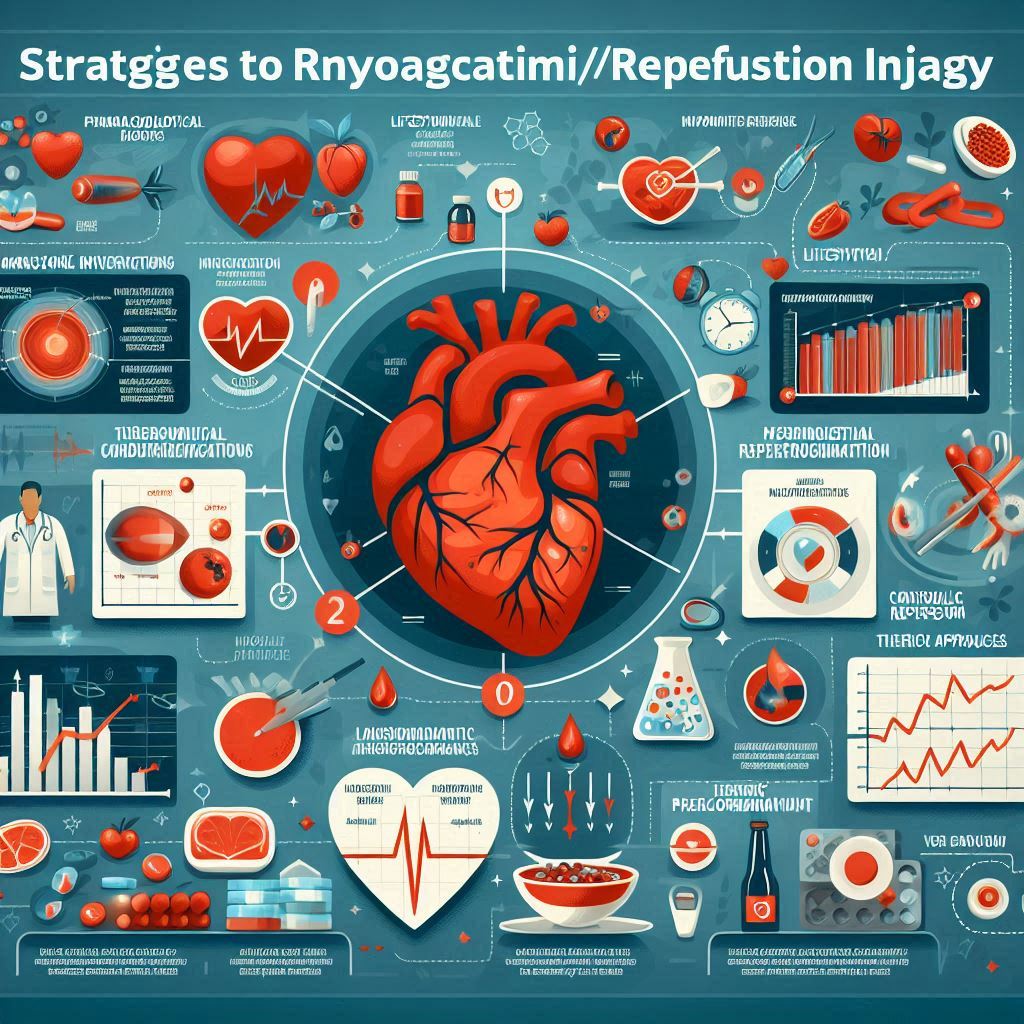
an informative infographic illustrating strategies to reduce myocardial ischemia/reperfusion injury. Include key elements such as pharmacological interventions (like antioxidants and anti-inflammatory drugs), lifestyle changes (such as diet and exercise), and therapeutic approaches (including controlled reperfusion techniques and ischemic preconditioning). Use engaging visuals, such as heart imagery and diagrams, to highlight how each strategy contributes to myocardial protection and enhances heart health.

Targeting Myocardial Ischemia/Reperfusion Injury: Beyond Revascularization Introduction Myocardial ischemia/reperfusion injury occurs when blood supply returns to the heart after a period of ischemia, potentially leading to significant damage due to oxidative stress, inflammation, calcium overload, and mitochondrial dysfunction. Implementing strategies to reduce this injury is crucial for improving cardiac outcomes and protecting heart tissue during and after episodes of reduced blood flow. Ischemic heart disease remains the leading cause of mortality worldwide, claiming millions of lives each year. Despite advancements in medical science that have improved methods of revascularization — the restoration of blood flow to the heart — a critical aspect of myocardial damage, known as lethal reperfusion injury, continues to elude effective treatment. In this blog, we will explore the nuances of this phenomenon, the mechanisms at play, current therapeutic approaches, and future directions for research aimed at mitigating ischemia/reperfusion injury. Understanding Ischemia and Reperfusion Injury When blood flow to the heart is reduced or completely blocked, such as during a heart attack, the heart tissue becomes deprived of oxygen. This condition is known as ischemia. Revascularization procedures, which often involve angioplasty or bypass surgery, effectively restore blood supply to the affected area. However, this sudden influx of oxygen-rich blood also triggers a secondary injury known as reperfusion injury — a paradoxical worsening of tissue damage that can lead to additional myocardial cell death. Mechanisms of Reperfusion Injury Reperfusion injury results from a complex interplay of various cellular processes, including: The Importance of Therapeutic Targets Understanding these underlying mechanisms has elucidated numerous potential therapeutic targets. Researchers have identified various pharmacological approaches to protect the heart from reperfusion injury. These include: https://fuelforlife365.com/ Current Approaches to Therapy Over the last few decades, numerous clinical trials have attempted to translate these basic science findings into effective therapies for patients experiencing acute coronary syndromes. While some approaches show promise, many have not provided the expected benefits in clinical settings. This necessitates a deeper understanding of the complexities of reperfusion injury and a more tailored approach to treatment. For instance, some studies have indicated that preconditioning the heart (exposing it to brief episodes of ischemia) can bolster its defenses against subsequent ischemia/reperfusion injuries. Other strategies involve the use of emerging therapeutic agents that specifically target the pathways identified in research, promising a more directed approach to protecting the myocardium. For More Please Visit Here Future Directions The future of treating ischemia/reperfusion injury looks promising, as ongoing research continues to delve deeper into the mechanisms of myocardial protection. Here are several potential avenues: Conclusion While revascularization remains a critical component in the treatment of ischemic heart disease, it is clear that the management of reperfusion injury is equally crucial in preserving myocardial health. With a growing body of evidence supporting various pharmacological interventions, the hope is that more effective therapies will soon be available, reducing the burden of myocardial damage and improving patient outcomes. Ongoing research in this field will hopefully lead us to a future where myocardial ischemia/reperfusion injury is not only understood but also effectively managed, transforming the landscape of cardiac care.

What Plant-Based Diets should Take on Metabolic Syndrome ?

an image that visually represents the impact of plant-based diets on metabolic syndrome. Include a colorful spread of various plant-based foods like fruits, vegetables, legumes, and whole grains. Overlay icons or infographics that indicate benefits such as improved heart health, weight management, and lower blood sugar levels. Consider including a visual comparison of traditional diets versus plant-based diets to highlight differences in health outcomes. Use a clean and vibrant design that emphasizes the theme of health and well-being.

Understanding the Impact of Plant-Based Diets on Metabolic Syndrome: Insights from South Korea In recent years, plant-based diets have garnered significant attention as a healthier dietary choice that could help prevent chronic diseases. However, while the benefits of eating plant foods are widely celebrated, not all plant-based diets are created equal. A recent study sheds light on this crucial aspect, exploring the association between unhealthy plant-based diets and metabolic syndrome (MetS) in a population-based study conducted in South Korea. What is Metabolic Syndrome? Metabolic syndrome is a cluster of conditions that increase the risk of heart disease, stroke, and type 2 diabetes. The key components include abdominal obesity, high blood pressure, elevated fasting glucose levels, high triglyceride levels, and low high-density lipoprotein (HDL) cholesterol levels. According to the study, around 23.3% of adults surveyed in South Korea had metabolic syndrome, a significant public health concern that calls for effective dietary intervention strategies. Overview of the Study This study was conducted by researchers Hyunju Kim, Kyueun Lee, Casey M Rebholz, and Jihye Kim. It is one of the first to explore the link between plant-based diet indices and metabolic syndrome. The researchers analyzed data from 14,450 Korean adults aged 19 and older. This data was collected during the Korea National Health and Nutrition Examination Survey from 2012 to 2016. They assessed dietary patterns using a semi-quantitative food frequency questionnaire (FFQ). This helped categorize participants into three diet indices: Overall Plant-Based Diet Index (PDI), Healthy PDI (hPDI), and Unhealthy PDI (uPDI). Understanding the Diet Indices Interestingly, all three indices penalize animal food intake, emphasizing a plant-based approach while also recognizing the importance of food quality. 1. Overall Plant-Based Diet Index (PDI) 2. Healthy Plant-Based Diet Index (hPDI) 3. Unhealthy Plant-Based Diet Index (uPDI) https://fuelforlife365.com/ The way plant foods are categorized plays a significant role in understanding their potential health impacts. While PDI includes all plant foods, recognizing the distinction between healthy (hPDI) and unhealthy (uPDI) plant foods can help guide individuals towards healthier eating patterns that support metabolic health and reduce the risk of conditions like metabolic syndrome. The quality of dietary choices should be emphasized to ensure the benefits of plant-based eating are fully realized. Key Findings of the Research The study revealed some striking insights: Association with Unhealthy Diets: The research found that individuals in the highest quintile of uPDI had 54% greater odds of having metabolic syndrome compared to those in the lowest quintile. This finding signifies that merely following a plant-based diet is not sufficient; the quality of those plant foods matters immensely. Specific MetS Components: For men, a higher uPDI score was specifically linked to an increased likelihood of hypertriacylglycerolaemia, while in women, the association extended to several components of metabolic syndrome, including abdominal obesity, high fasting glucose, and hypertriacylglycerolaemia. No Significant Impact from Other Indices: Notably, the overall PDI and hPDI did not show significant associations with metabolic syndrome, reinforcing the idea that not all plant-based diets confer health benefits similarly. You Can Also Visit Here Implications for Dietary Recommendations The findings from this study highlight the importance of food quality in plant-based diets. While plant-based diets are linked to various health benefits, it’s crucial to prioritize wholesome foods. Emphasizing the consumption of fruits, vegetables, whole grains, and legumes is key. Avoiding processed plant-based foods can help prevent negative health outcomes. This study also suggests that dietary recommendations for preventing and managing metabolic diseases should consider sex differences. The varying impact of diet on metabolic syndrome components among men and women highlights the necessity of tailored dietary interventions to meet the needs of different demographic groups. Conclusion The research serves as a wake-up call for both individuals and health professionals.The study emphasizes that achieving a healthier life involves not just adopting a plant-based diet but focusing on nutrient-dense, wholesome plant foods. While plant-based eating can lower the risk of chronic diseases, an unhealthy plant-based diet might be detrimental. Increasing awareness about the quality of food choices in plant-based diets can lead to healthier populations. This is especially important in countries like South Korea, where dietary patterns are changing rapidly. As we move forward, it’s critical for future studies to continue this line of inquiry, deepening our understanding of how different dietary patterns affect metabolic health. Ultimately, this research contributes to a growing body of work that highlights the importance of not just what we eat—but how we choose our foods in the context of our overall health.