
Nourish to Flourish: Prevent Type 2 Diabetes by Food Groups
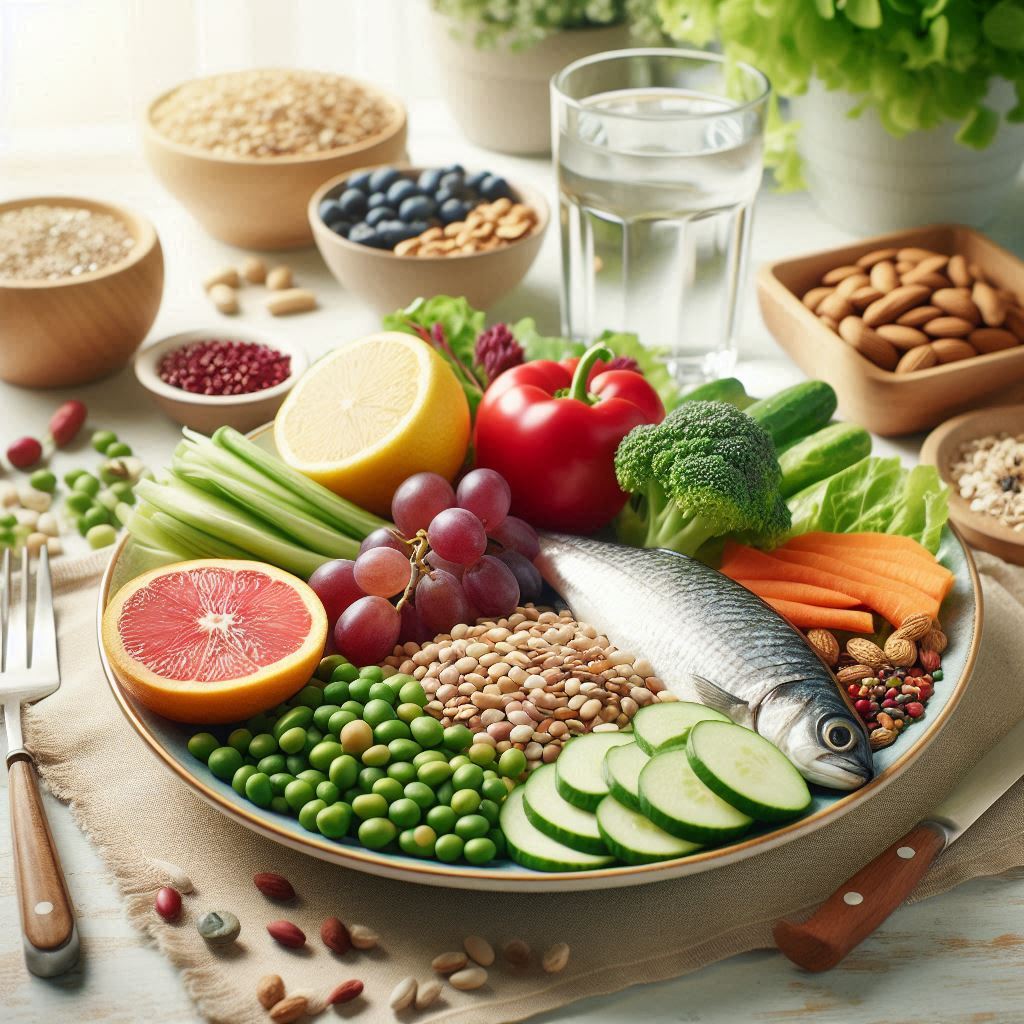
Preventing type 2 diabetes is a crucial health goal for many, given the condition's rising prevalence and significant impact on overall well-being. One of the most effective strategies lies in understanding how different food groups influence our risk levels. By focusing on what we eat, we can make informed choices that promote better blood sugar control and overall health. This blog will explore the specific food groups that can help reduce the risk of developing type 2 diabetes, providing practical insights and actionable tips to incorporate these beneficial foods into your diet. Whether you’re looking to prevent diabetes or simply improve your eating habits, understanding the role of food groups is essential for fostering a healthier lifestyle. In recent years, the rising prevalence of type 2 diabetes mellitus (T2D) has become a major global health concern. With the World Health Organization estimating that over 422 million people worldwide are living with this condition, understanding the factors that contribute to T2D risk is more important than ever. One significant factor that plays a crucial role in our risk of developing T2D is our diet. A systematic review and meta-analysis conducted by researchers, including Lukas Schwingshackl and colleagues, provides insightful findings on the relationship between diet and T2D risk. Their comprehensive study explored the impact of 12 major food groups on the likelihood of developing type 2 diabetes. The results were eye-opening and can guide us in making informed dietary choices. https://fuelforlife365.com/ The Food Groups in Focus The study systematically reviewed prospective studies examining the effects of whole grains, refined grains, vegetables, fruits, nuts, legumes, eggs, dairy, fish, red meat, processed meat, and sugar-sweetened beverages (SSB). The conclusions drawn from the analysis shed light on which foods may help reduce T2D risk and which ones could potentially increase it. Foods Linked to a Decreased Risk of T2D 1. Whole Grains: Increasing your intake of whole grains has been consistently associated with a lower risk of developing T2D. Whole grains are packed with nutrients and fiber, which help regulate blood sugar levels and improve satiety. 2. Fruits: Fruits are rich in vitamins, minerals, and antioxidants, making them an essential part of a healthy diet. The research indicates that higher fruit consumption can significantly reduce T2D risk, thanks to their natural sugars and fiber content. 3. Dairy: Consuming dairy products, particularly low-fat varieties, may also contribute to a lower risk of T2D. Dairy is a source of calcium and can be beneficial for maintaining healthy bone and metabolic health. Foods Linked to an Increased Risk of T2D 1. Red Meat: The analysis highlighted that higher consumption of red meat is associated with an increased risk of developing type 2 diabetes. It’s worth considering moderation and opting for leaner sources of protein. 2. Processed Meat: Processed meats, such as sausages and deli meats, also showed a concerning association with increased T2D risk. These products are often high in saturated fats and preservatives, which may contribute to insulin resistance. 3. Sugar-Sweetened Beverages (SSB): Perhaps the most alarming finding is the strong correlation between the intake of sugar-sweetened beverages and T2D risk. These drinks are high in added sugars and calories, leading to weight gain and increased blood sugar levels. For More Information Visit Here The Importance of Balance The study concluded that optimal consumption of risk-decreasing foods can lead to a 42% reduction in the risk of T2D, while consumption of risk-increasing foods may triple the likelihood of developing this condition. This evidence emphasizes the idea that what we eat matters significantly in the context of our health. Making Informed Choices While the results of this meta-analysis are compelling, it's essential to remember that diet is just one factor in the complex puzzle of diabetes prevention. A holistic approach that includes regular physical activity, maintaining a healthy weight, managing stress, and regular health check-ups is equally vital. Final Thoughts As we dive deeper into the nuances of how specific foods impact our health, it becomes increasingly clear that our dietary choices shape our wellbeing. By emphasizing whole grains, fruits, and dairy in our meals while limiting red meat, processed meat, and sugary drinks, we can take significant strides toward reducing our risk of developing type 2 diabetes. So let’s make conscious choices to nourish our bodies and empower ourselves to lead healthier lives. After all, every small change can make a big difference!

Preventing type 2 diabetes is a crucial health goal for many, given the condition’s rising prevalence and significant impact on overall well-being. One of the most effective strategies lies in understanding how different food groups influence our risk levels. By focusing on what we eat, we can make informed choices that promote better blood sugar control and overall health. This blog will explore the specific food groups that can help reduce the risk of developing type 2 diabetes, providing practical insights and actionable tips to incorporate these beneficial foods into your diet. Whether you’re looking to prevent diabetes or simply improve your eating habits, understanding the role of food groups is essential for fostering a healthier lifestyle. In recent years, the rising prevalence of type 2 diabetes mellitus (T2D) has become a major global health concern. With the World Health Organization estimating that over 422 million people worldwide are living with this condition, understanding the factors that contribute to T2D risk is more important than ever. One significant factor that plays a crucial role in our risk of developing T2D is our diet. A systematic review and meta-analysis conducted by researchers, including Lukas Schwingshackl and colleagues, provides insightful findings on the relationship between diet and T2D risk. Their comprehensive study explored the impact of 12 major food groups on the likelihood of developing type 2 diabetes. The results were eye-opening and can guide us in making informed dietary choices. https://fuelforlife365.com/ The Food Groups in Focus The study systematically reviewed prospective studies examining the effects of whole grains, refined grains, vegetables, fruits, nuts, legumes, eggs, dairy, fish, red meat, processed meat, and sugar-sweetened beverages (SSB). The conclusions drawn from the analysis shed light on which foods may help reduce T2D risk and which ones could potentially increase it. Foods Linked to a Decreased Risk of T2D 1. Whole Grains: Increasing your intake of whole grains has been consistently associated with a lower risk of developing T2D. Whole grains are packed with nutrients and fiber, which help regulate blood sugar levels and improve satiety. 2. Fruits: Fruits are rich in vitamins, minerals, and antioxidants, making them an essential part of a healthy diet. The research indicates that higher fruit consumption can significantly reduce T2D risk, thanks to their natural sugars and fiber content. 3. Dairy: Consuming dairy products, particularly low-fat varieties, may also contribute to a lower risk of T2D. Dairy is a source of calcium and can be beneficial for maintaining healthy bone and metabolic health. Foods Linked to an Increased Risk of T2D 1. Red Meat: The analysis highlighted that higher consumption of red meat is associated with an increased risk of developing type 2 diabetes. It’s worth considering moderation and opting for leaner sources of protein. 2. Processed Meat: Processed meats, such as sausages and deli meats, also showed a concerning association with increased T2D risk. These products are often high in saturated fats and preservatives, which may contribute to insulin resistance. 3. Sugar-Sweetened Beverages (SSB): Perhaps the most alarming finding is the strong correlation between the intake of sugar-sweetened beverages and T2D risk. These drinks are high in added sugars and calories, leading to weight gain and increased blood sugar levels. For More Information Visit Here The Importance of Balance The study concluded that optimal consumption of risk-decreasing foods can lead to a 42% reduction in the risk of T2D, while consumption of risk-increasing foods may triple the likelihood of developing this condition. This evidence emphasizes the idea that what we eat matters significantly in the context of our health. Making Informed Choices While the results of this meta-analysis are compelling, it’s essential to remember that diet is just one factor in the complex puzzle of diabetes prevention. A holistic approach that includes regular physical activity, maintaining a healthy weight, managing stress, and regular health check-ups is equally vital. Final Thoughts As we dive deeper into the nuances of how specific foods impact our health, it becomes increasingly clear that our dietary choices shape our wellbeing. By emphasizing whole grains, fruits, and dairy in our meals while limiting red meat, processed meat, and sugary drinks, we can take significant strides toward reducing our risk of developing type 2 diabetes. So let’s make conscious choices to nourish our bodies and empower ourselves to lead healthier lives. After all, every small change can make a big difference!

Are Fats Really the Enemy? Healthy Fats and Weight Loss

Create an inviting image showcasing a vibrant, balanced meal featuring healthy fats. The composition should include a beautifully plated avocado toast topped with slices of ripe avocado and sprinkled with sesame seeds, served alongside a colorful salad made of mixed greens, cherry tomatoes, and a drizzle of olive oil. Add a small dish of mixed nuts—such as almonds, walnuts, and pistachios—artfully arranged nearby. Include a refreshing glass of infused water with lemon and cucumber for a touch of freshness. The background should be a warm, wooden table to evoke a cozy, healthy dining atmosphere.

For decades, we’ve been told that fats are the enemy. Low-fat diets were all the rage, and the supermarket shelves were lined with fat-free options, leading many to believe that avoiding fats altogether was the path to a healthier life. However, recent research has revealed a different story. Not all fats are created equal, and understanding the role of healthy fats in our diets is crucial—especially when it comes to weight loss and overall health. The Healthy vs. Unhealthy Debate: Understanding Fats in Our Diet When it comes to our diet, the conversation around fats often garners much attention. One of the most common misconceptions is that all fats are bad for us. To navigate through this dietary confusion, it’s crucial to clarify what we truly mean by “healthy” and “unhealthy” fats. What Are Healthy Fats? Healthy Fats are essential for our body and play a significant role in maintaining overall well-being. These include: Incorporating healthy fats into our meals can provide numerous health benefits, from enhancing heart health to improving nutrient absorption. What Are Unhealthy Fats? On the flip side, we have Unhealthy Fats, which can pose risks to our health. This category includes: While not all saturated fats are inherently bad, moderation is key to maintaining a balanced diet. The Fat Loss Paradox Given that healthy fats offer various health benefits, you may wonder why we frequently talk about “losing fat” in the context of weight management. Here’s the catch: While healthy fats are essential for our health, consuming them in excess can lead to calorie overload, similar to any food group. For effective weight management, it’s crucial to balance your caloric intake, even with healthy foods. The focus should not solely be on eliminating fats from our diet but rather on understanding the types of fats we consume and incorporating them mindfully—prioritizing quality over quantity. So, should we fear fats? Absolutely not! Embracing healthy fats while being cautious about unhealthy ones is a recipe for better health. By making informed choices and maintaining moderation, we can enjoy the benefits of healthy fats while supporting our overall wellness journey. Remember, it’s all about finding that perfect balance for a happier and healthier you! Embracing Healthy Fats for Weight Loss Incorporating healthy fats into your diet doesn’t just support overall health; when consumed in moderation, they can also aid in weight loss. Here are four key reasons why adding healthy fats can be beneficial for your weight management journey: Satiety: Healthy fats contribute to a feeling of fullness that can last longer than carbohydrates or proteins alone. When you add sources of healthy fats—like creamy avocado or a drizzle of olive oil—to your meals, you’re more likely to feel satisfied after eating. This can help curb unnecessary snacking and reduce overall calorie intake, making it easier to maintain or lose weight. Nutrient Absorption: Did you know that some essential vitamins—A, D, E, and K—are fat-soluble? This means they need fat to be properly absorbed by your body. By including healthy fats in your meals, you help your body make the most out of the nutrients in your food, leading to better overall health and potentially aiding in weight loss. Balanced Blood Sugar: Healthy fats play a crucial role in stabilizing blood sugar levels. By including them in your diet, you may experience fewer spikes and crashes in blood sugar, which can lead to cravings and overeating. A stable blood sugar level helps keep those hunger pangs at bay and assists in making healthier food choices throughout the day. Improved Mood: The connection between diet and mood is well-documented, and healthy fats—especially omega-3 fatty acids found in fatty fish, flaxseeds, and walnuts—are linked to improved mood and cognitive function. A better mood can lead to healthier eating habits and increased motivation to engage in physical activities, both of which are important for effective weight loss. Incorporating healthy fats into your daily meals can be a smart strategy for supporting weight loss while nourishing your body. Remember, moderation is key. By focusing on quality sources of fat and being mindful of portion sizes, you can enjoy the benefits of healthy fats without compromising your weight management goals. So go ahead, add that avocado to your toast or drizzle some olive oil on your salad—your body will thank you! Incorporating Healthy Fats into Your Diet Adding healthy fats to your meals can enhance both flavor and nutrition, but it’s important to do so mindfully. Here are some simple tips to help you incorporate healthy fats into your diet without overdoing it: 1. Mind the Portions Healthy fats are calorie-dense, so a little can go a long way. When adding fats to your meals, be mindful of portion sizes. For instance, try using a tablespoon of olive oil as a dressing for your salad or enjoy a small handful of nuts as a snack. This way, you can reap the benefits without exceeding your caloric needs. 2. Mix and Match Combining healthy fats with fiber-rich foods can enhance satiety and make meals more satisfying. Pair avocado with whole-grain toast for a filling breakfast, or sprinkle seeds on top of a colorful salad to boost both flavor and nutrition. The combination will keep you fuller longer and may reduce the likelihood of reaching for unhealthy snacks later. 3. Choose Quality Opt for whole food sources of fats rather than processed options. Snacking on a handful of raw or roasted nuts is a much healthier choice than a bag of chips. Similarly, include fatty fish like salmon or mackerel in your meals instead of relying on red meat for protein. Whole food sources contain valuable nutrients along with healthy fats, making them a superior choice. 4. Stay Informed Reading nutrition labels is essential in making informed choices. Just because a product claims to be low in fat doesn’t automatically make it a healthy option. Often, manufacturers compensate for reduced fat by adding sugars and other unhealthy ingredients that can negatively impact your health. Be … Read more

Seeds of Wellness: weekly diet for a Healthier Lifestyle

Welcome to “Seeds of Wellness: Weekly Diet for a Healthier Lifestyle”! In a world filled with fast food and hectic schedules, making nutritious choices can often feel overwhelming. That’s why we’ve created this blog to help you cultivate a healthier lifestyle, one week at a time. Each week, we’ll provide you with balanced meal plans, delicious recipes, and practical tips to nourish your body and mind. From incorporating wholesome seeds and superfoods into your diet to understanding the importance of hydration and mindful eating, our goal is to empower you to take charge of your health. Join us on this journey and discover how simple, delicious changes can lead to lasting wellness. Let’s sow the seeds of a vibrant and healthier you! Monday : weekly diet plan Breakfast Snack Lunch Snack Dinner Tuesday : weekly diet plan Breakfast Snack Lunch Snack Dinner Wednesday : weekly diet plan Breakfast Snack Lunch Snack Dinner Thursday : weekly diet plan Breakfast Snack Lunch Snack Dinner Friday : weekly diet plan Breakfast Snack Lunch Snack Rice cakes topped with cottage cheese and sliced tomatoes Dinner Saturday : weekly diet plan Breakfast Snack Lunch Snack Dinner Sunday :weekly diet plan Breakfast Snack Lunch Snack Dinner Additional Tips: This meal plan provides a balanced intake of macronutrients and micronutrients across the three days, promoting an overall healthy eating pattern. Always consider personal dietary needs, preferences, and any medical conditions when following a diet plan. The meal plan outlined above offers numerous health benefits due to its focus on whole foods, balanced macronutrients, and a variety of nutrient-dense ingredients. Here are some key health benefits associated with this type of diet: Here are compelling reasons why you should follow a weekly diet: 1. Improved Nutrient Intake 2. Weight Management 3. Heart Health 4. Blood Sugar Control 5. Enhanced Digestive Health 6. Better Mood and Energy Levels 7. Reduced Inflammation 8. Improved Skin Health 9. Stronger Immune System 10. Sustainable Eating Habits A Journey to Wellness: How a Weekly Diet Transformed My Life For years, I struggled with my weight and self-image. Despite trying different diets and workout routines, nothing seemed to stick. I often felt defeated and disheartened by my lack of progress. That all changed when I decided to commit to a weekly diet. It started off as a simple suggestion from a friend who had seen incredible results. Skeptically, I agreed to give it a shot. The concept was straightforward: plan my meals for the week ahead, ensuring I included a balance of protein, carbohydrates, and healthy fats while steering clear of processed foods. The first few days were a challenge. I had to confront my cravings, often reaching for the comfort foods I had relied on for years. But I armed myself with a well-thought-out meal plan that included delicious, wholesome recipes—think grilled chicken with quinoa and steamed broccoli or a hearty vegetable stir-fry. Each meal was not only satisfying but also packed with nutrients. As the week progressed, I started to notice changes—both physically and mentally. I had more energy than I had in years. I felt lighter, both in body and spirit. My cravings for sugary snacks began to dwindle, replaced by a newfound appreciation for the natural sweetness of fruits. I was finally enjoying cooking and experimenting with flavors I had previously avoided. By the end of the first week, I had lost a couple of pounds, but more importantly, I felt a sense of accomplishment. The weekly diet wasn’t just about weight; it became a ritual, a way for me to connect with my body and my food. Every Sunday, I would sit down, plan my meals, and feel empowered by the choices I was making. As I continued with the weekly diet, the changes only became more pronounced. I started to notice my clothes fitting better, my skin clearing up, and my mood stabilizing. Friends and family began to comment on my transformation, which only fueled my motivation further. I was no longer just losing weight; I was gaining confidence and a feeling of control over my life. Three months into this journey, I had lost a significant amount of weight and, more importantly, built sustainable habits. My weekly meal prep sessions became a cherished routine rather than a chore. I found joy in cooking, exploring new recipes, and discovering foods that nourished my body. I even started inviting friends over for weekly meal prep gatherings, turning what once felt isolating into a social activity. Looking back, I realize that following a weekly diet did more than transform my physical appearance; it reshaped my relationship with food and my body. I learned that taking small, manageable steps can lead to extraordinary results over time. Today, I maintain my weight and well-being by continuing to plan my meals weekly, celebrating the incredible journey I embarked upon. If you’re considering adopting a weekly diet, I encourage you to take that first step. The changes may be gradual, but trust me, they will be life-changing. Remember, it’s not just a diet; it’s a pathway to a healthier, happier you. Rate us for your better experience!