
Pumpkin Seed Oil: Extraction, Nutrients, and Health Benefits
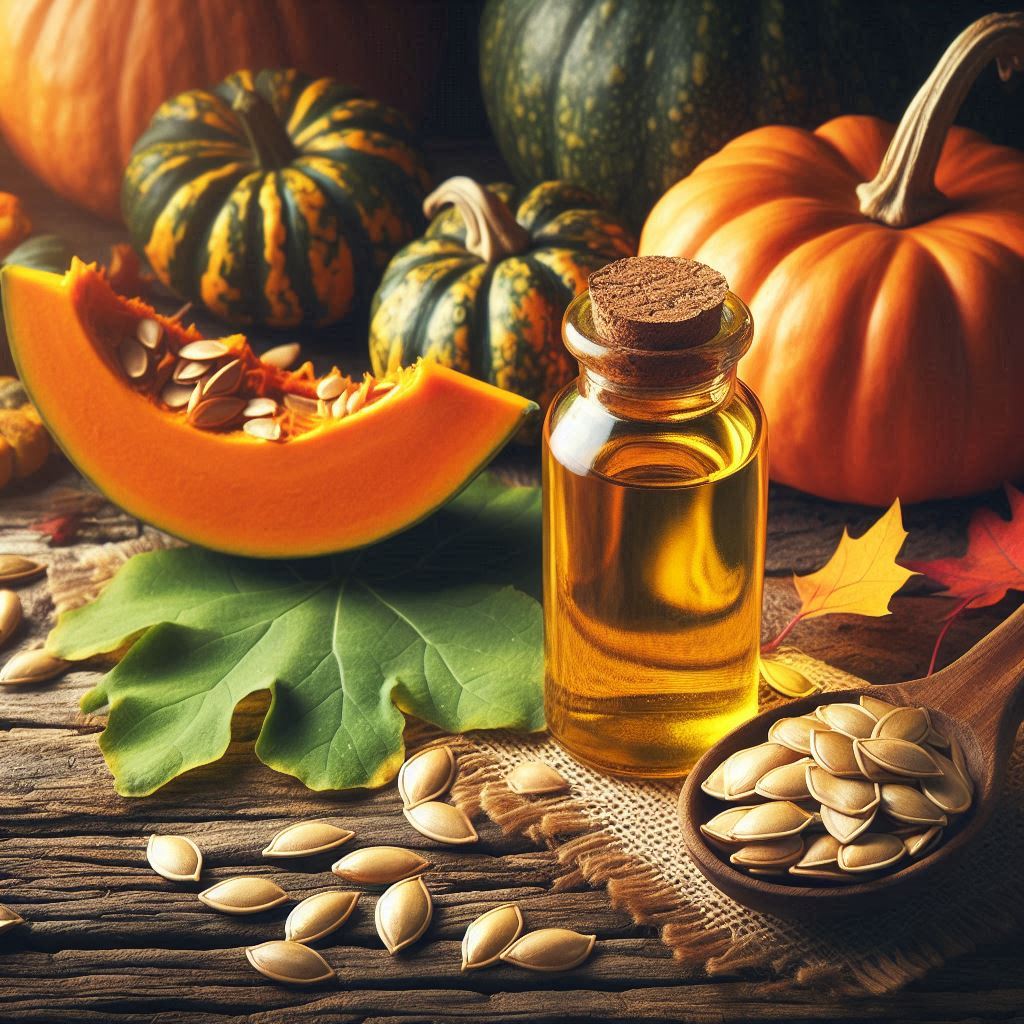
a visually appealing image that features a bottle of rich, golden pumpkin seed oil placed on a rustic wooden table. Surround the bottle with fresh green pumpkin leaves and vibrant orange pumpkin seeds, some whole and some scattered. Include a small dish of pumpkin seed oil, with a drizzle on the side, to highlight its texture. Add a backdrop of an autumn harvest scene, complete with pumpkins and colored leaves, to capture the essence of seasonal flavors and health benefits.

Pumpkin seed oil (PSO) is a remarkable oil extracted from the seeds of various pumpkin varieties. Known for its rich nutrient profile, it is used in both cooking and medicinal contexts. In this blog, we will explore the extraction methods of pumpkin seed oil, its nutritional constituents, and the potential health benefits it offers. What is Pumpkin Seed Oil? You can derive pumpkin seed oil from the seeds of pumpkins, particularly the varieties Cucurbita pepo and Cucurbita maxima. This oil serves not only as a flavorful addition to meals but also as a nutrient-rich ingredient that can support overall health. Nutritional Composition Pumpkin seed oil is notable for its high content of unsaturated fatty acids. Among these, linoleic acid is the main component. Unsaturated fatty acids are beneficial for heart health and can help reduce bad cholesterol levels. In addition, pumpkin seed oil contains valuable nutrients like tocopherols (a form of Vitamin E), phytosterols, and phenolic acids. Extraction Methods The way pumpkin seed oil is extracted can affect its yield, composition, and quality. Conventional methods such as cold pressing and solvent extraction have been commonly used. However, new technologies are emerging, which are considered more effective and environmentally friendly. These novel techniques offer promising alternatives to traditional methods. They provide safer and more efficient ways to extract pumpkin seed oil, ensuring higher quality products. https://fuelforlife365.com/ Health Benefits Research indicates that pumpkin seed oil has various health benefits. Numerous in vitro (test-tube) and in vivo (live organism) studies have shown its potential in several areas: Using Pumpkin Seed Oil in Your Diet Incorporating pumpkin seed oil into your diet is easy. It has a rich, nutty flavor that enhances salads, pasta, and vegetables. You can also use it in dips or drizzle it over cooked dishes for added flavor and nutrition. However, it is best not to use it for frying, as high temperatures can damage its nutritional properties. Also Visit Here For More Conclusion Pumpkin seed oil is a versatile and nutrient-rich oil that can greatly benefit your health. Its extraction methods are evolving, leading to higher quality and more effective products. The oil’s rich content of unsaturated fatty acids, antioxidants, and other important nutrients makes it a valuable addition to a healthy diet. As research continues to unveil the benefits of pumpkin seed oil, incorporating it into your meals may help protect against various health issues. Whether you use it as a salad dressing or a drizzling oil for cooked dishes, pumpkin seed oil offers both flavor and remarkable health advantages. Embrace the benefits of pumpkin seed oil and discover how this simple ingredient can enhance your overall well-being!
Peanut Butter Magic: Unraveling Myths and Tasty Recipes!

Peanut butter has long been a beloved staple in many households around the world. Its creamy texture, hearty flavor, and endless versatility make it an ideal ingredient for a variety of dishes, from classic sandwiches to inventive desserts. But this is more than just a tasty treat; it’s packed with nutrients that can provide numerous health benefits. In this blog post, we will explore the history, nutritional value, uses, and potential health benefits of peanut butter. It is not only a delicious spread but also offers several health benefits due to its rich nutritional profile. Here are some key nutrients and their associated health benefits: Nutritional Value (per 2 tablespoons of natural peanut butter): Health Benefits: Considerations: Incorporating butter into a balanced diet can enhance overall nutrition while providing delicious flavor to a variety of dishes. However, individuals with peanut allergies should avoid it altogether and seek alternatives. Is Peanut Butter Healthy? Peanut butter can be a healthy addition to your diet, but its health impacts depend on various factors, including the type of peanut butter, portion sizes, and your overall diet. Here are some key points to consider: Benefits: Considerations: In general, when consumed in moderation and as part of a well-balanced diet, It can provide several health benefits and contribute to overall nutrition. Always consult with a healthcare professional or a registered dietitian if you have specific dietary concerns or health conditions. Peanut Butter for Weight Loss Incorporating peanut butter into a weight-loss diet can be effective if done mindfully. Here are some strategies and tips for including peanut butter while managing your calorie intake: 1. Portion Control: 2. Choose Natural Peanut Butter: 3. Pair with Healthy Foods: 4. Use as a Flavor Enhancer: 5. Focus on Balanced Meals: 6. Mindful Eating: 7. Workout Fuel: 8. Avoid Munching Straight from the Jar: Peanut Butter Allergies Peanut allergies are one of the most common food allergies and can lead to severe allergic reactions in some individuals. Here’s what you need to know about peanut allergies and safe alternatives: What is a Peanut Allergy? Alternatives for Those Affected: If you have a peanut allergy, you can consider these nut-free and safe alternatives: Sunflower Seed Butter: Almond Butter: Soy Nut Butter: Seed Butters: Coconut Butter: Nut-Free Spreads: Important Considerations: Managing a peanut allergy requires diligence but can be effectively managed with available alternatives and careful planning. Some Peanut Butter Recipes: Peanut butter is a versatile ingredient that can enhance both sweet and savory dishes. Here are various recipe ideas for cooking and baking with peanut butter: 1. Peanut Butter Cookies Ingredients: Instructions: 2. Peanut Butter Banana Smoothie Ingredients: Instructions: 3. Peanut Butter Noodles Ingredients: Instructions: 4. Peanut Butter Overnight Oats Ingredients: Instructions: 5. Peanut Butter Chocolate Chip Muffins Ingredients: Instructions: 6. Peanut Sauce for Dipping or Dressing Ingredients: Instructions: 7. Peanut Butter Energy Bites Ingredients: Instructions: 8. Peanut Butter and Jelly Bars Ingredients: Instructions: These recipes showcase the versatility of peanut butter and provide delightful options for both sweet and savory dishes. Enjoy experimenting with peanut butter in your kitchen! Here are some common myths about peanut butter: Myth: Natural peanut butter separates and is harder to use.Fact: The oil separation is normal; just stir it up for a smooth texture—it’s worth the effort for a healthier option! Myth: Peanut butter is unhealthy and makes you gain weight.Fact: In moderation, peanut butter can be part of a balanced diet and may even aid in weight management due to its healthy fats. Myth: All peanut butter is created equal.Fact: Many brands add sugar, hydrogenated oils, and additives; natural peanut butter is often the healthiest option. Myth: Peanut butter is only for kids.Fact: People of all ages can enjoy peanut butter, and it can be a versatile ingredient in various dishes. Myth: Peanut butter is a complete protein.Fact: While peanut butter has protein, it lacks certain essential amino acids, so it’s best paired with other protein sources. Myth: Peanut allergies are common in everyone.Fact: Only a small percentage of the population has a peanut allergy; most people can consume peanut products safely. Myth: Organic peanut butter is always better.Fact: While organic options avoid synthetic pesticides, it’s more important to check the ingredient list for added sugars and oils. Myth: Peanut butter can be stored indefinitely.Fact: While its shelf life is long, peanut butter can become rancid over time; it’s best to consume within a reasonable period. Myth: You should always refrigerate peanut butter.Fact: Most peanut butter can be stored at room temperature; refrigeration can make it hard and difficult to spread. Myth: Peanut butter is high in carbs.Fact: Peanut butter is low in carbohydrates and primarily consists of healthy fats and protein. rate us and comment below to share your valuable opinion!

“Why Microgreens Should Be Your New Go-To for Vitamins and Minerals!”

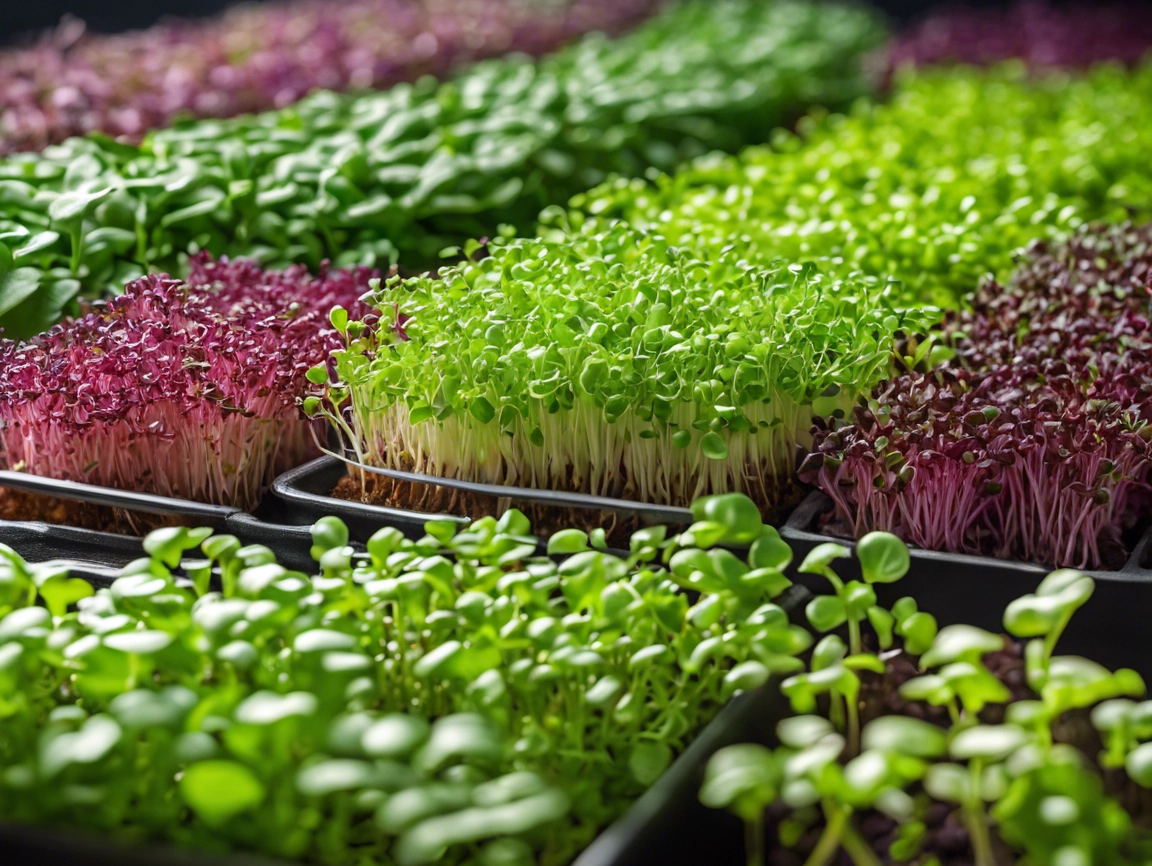
Microgreens are young seedlings of edible vegetables and herbs that are harvested shortly after the first true leaves have developed. They are known for being nutrient-dense and often contain a variety of vitamins and minerals. While the specific nutrient content can vary depending on the type of microgreen, here are some common vitamins and minerals found in many varieties: Vitamins: 1. Vitamin C : Important for immune function and skin health, often found in microgreens like broccoli and pea shoots.2. Vitamin E : An antioxidant that helps protect cells, found in microgreens like sunflower and radish.3. Vitamin K : Essential for blood clotting and bone health, present in microgreens like kale and mustard greens.4. Vitamin A : Important for vision and immune function, found in microgreens such as beet and carrot tops.5. B Vitamins : Including B2 (riboflavin), B6 (pyridoxine), and B9 (folate), which are crucial for energy production and metabolic functions. Minerals : 1. **Calcium**: Important for bone health, available in microgreens like kale and broccoli.2. **Magnesium**: Supports muscle function and energy production, found in microgreens such as arugula and spinach.3. **Iron**: Essential for the formation of red blood cells, present in microgreens like beet and bok choy.4. **Potassium**: Aids in fluid balance and muscle function, found in microgreens such as peas and spinach.5. **Zinc**: Important for immune function and wound healing, found in varieties like sunflower and pea shoots. Antioxidants and Other Compounds: In addition to vitamins and minerals, microgreens are also rich in antioxidants, which can help combat oxidative stress. They may contain various phytochemicals and beneficial compounds like flavonoids and carotenoids. Overall, incorporating a variety of microgreens into your diet can provide a broad spectrum of essential nutrients that support overall health.  Nutrients are essential substances that the body needs to function properly. They can be categorized into six main classes: 1.Benefits of Carbohydrates :   Function : Primary source of energy for the body.   Sources : Fruits, vegetables, grains, legumes, and dairy products. 2. Benefits of Proteins :Functio : Important for growth, repair, and maintenance of body tissues; also serves as a secondary energy source.  Sources : Meat, fish, eggs, dairy products, legumes, nuts, and soy. 3.Benefits of Fats : Function : Energy storage, insulation, and protection of organs; necessary for the absorption of fat-soluble vitamins (A, D, E, K). Sources : Oils, butter, nuts, seeds, fatty fish, and avocados. 4. Benefits of Vitamins : Function: Support various biochemical functions in the body, including metabolism, immune function, and blood clotting.  Sources : Fruits, vegetables, whole grains, dairy products, and meats. Specific vitamins include Vitamin A, B vitamins, Vitamin C, Vitamin D, Vitamin E, and Vitamin K. 5. Benefits of Minerals :  Function : Essential for various bodily functions, including bone health, muscle function, and fluid balance.  Sources : Meat, dairy, grains, fruits, and vegetables. Key minerals include calcium, iron, magnesium, potassium, and zinc. 6.Benefits of Water : Function : Vital for all bodily functions, including temperature regulation, digestion, and waste removal. Sources : Drinking water, beverages, and foods with high water content like fruits and vegetables. Each of these nutrients plays a unique role in maintaining health, and a balanced diet containing a variety of foods is essential for obtaining the full spectrum of necessary nutrients.