
What Is Oral squamous cell carcinoma (OSCC)?
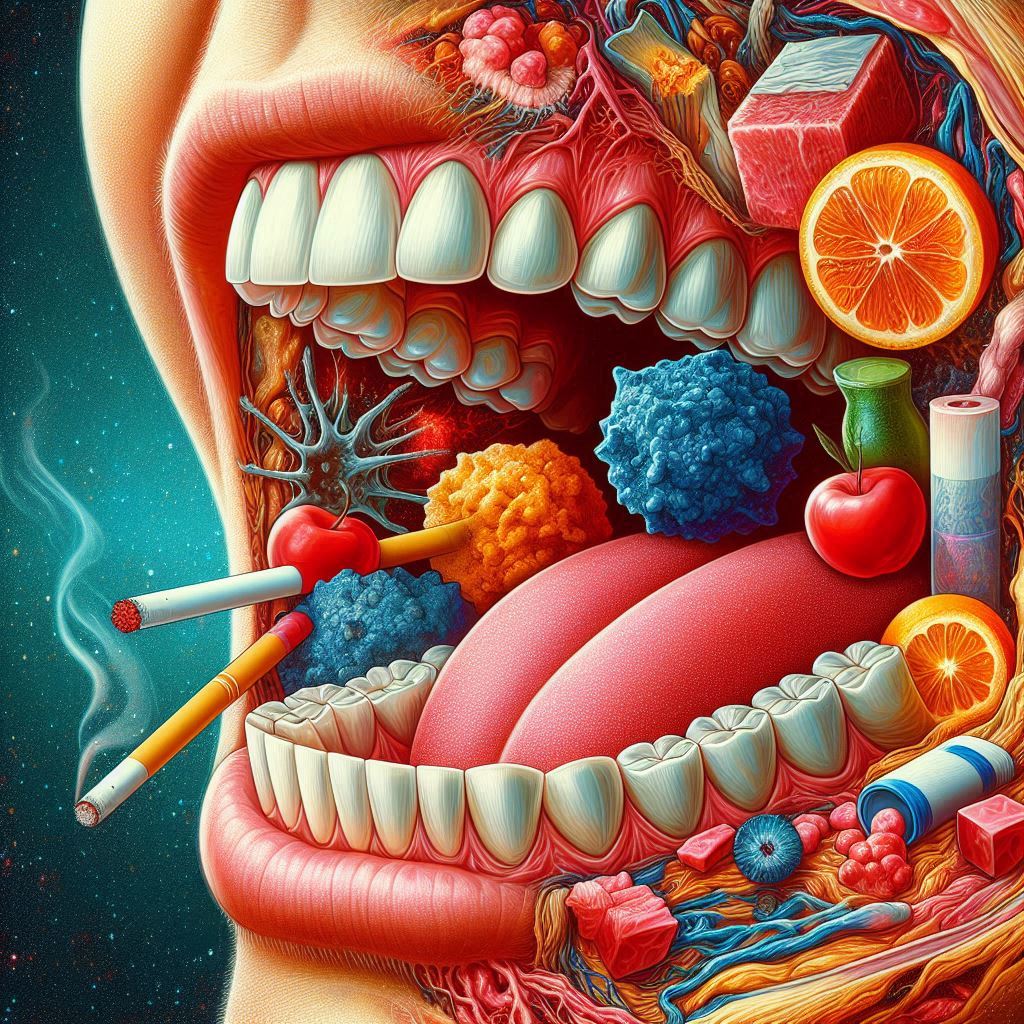
an artistic representation of the human oral cavity highlighting the effects of oral squamous cell carcinoma (OSCC). Show a detailed depiction of the healthy tissues juxtaposed with the cancerous lesions, using vivid colors to differentiate between the two. Incorporate elements like harmful substances (tobacco, alcohol) as subtle background motifs to represent their connection to OSCC. Use a dynamic composition that emphasizes the contrast between health and disease, potentially incorporating text elements that educate about risk factors and the importance of early detection. Aim for a mix of realism and infographic style to engage viewers and convey critical information effectively.

Understand the Immune Microenvironment of Oral Cavity Carcinomas Oral cavity carcinomas, especially oral squamous cell carcinoma (OSCC), are the most common head and neck cancers. These tumors are complex and involve more than just cancer cells. They contain various cellular components, including immune and stromal cells. These components are crucial for tumor progression and immune evasion. This blog will explore the immune microenvironment in oral tumors. It will also discuss innovative approaches to improve anticancer immunity. The Composition of Oral Tumors Oral tumors are not solely composed of malignant cells; they harbor diverse cellular populations that can influence the tumor’s behavior. Among these, anticancer immune cells like cytotoxic CD8(+) T lymphocytes (CTLs) and natural killer (NK) cells are essential for mounting a robust immune response against cancer cells. These immune cells infiltrate the tumor microenvironment and are pivotal in recognizing and destroying malignant cells. However, the effectiveness of these immune responses is frequently dampened by various suppressive mechanisms within the tumor microenvironment. Regulatory T cells (Tregs), macrophages, and myeloid-derived suppressor cells (MDSCs) play significant roles in immunosuppression. They contribute to an environment that favors tumor growth. This immunosuppressive milieu helps the tumor evade immune detection. Understanding the intricate dance between these diverse cell types is crucial for devising effective treatments. The Role of Immune Cell Infiltration Research has shown that the presence and activity of T and NK cells within the tumor microenvironment significantly influence the outcomes of immunotherapy, chemotherapy, and radiotherapy. Tumors with a higher infiltration of CD8(+) T cells generally respond better to these treatment modalities. However, the interplay between these immune cells and the tumor’s supporting cells can lead to altered therapeutic responses. On the flip side, many cancer therapies can inadvertently enhance the recruitment or activity of immunosuppressive cells, leading to a paradoxical worsening of the immune response against the tumor. Therefore, understanding the balance of cellular components in the microenvironment is vital to developing successful treatment strategies. Enhancing Anticancer Immunity One promising avenue for combating oral cancers is boosting anticancer immunity by targeting the tumor microenvironment. This dual approach includes enhancing the activity of immune cells while simultaneously inhibiting the function of immunosuppressive cells. Various strategies are being explored, such as immune checkpoint inhibitors, therapeutic vaccines, and adoptive cell transfer therapies. Furthermore, there is growing interest in the use of nanoparticles for targeted drug delivery. These nanocarriers can encapsulate therapeutic agents, including immune-modulating drugs, and facilitate their delivery directly to the tumor site. By doing so, nanoparticles can enhance the local concentration of anticancer agents while minimizing systemic side effects. You can Visit Also HERE Therapeutic Targets and Emerging Agents The emergence of innovative therapeutic targets and agents is transforming the treatment landscape for oral cancers. Nanoparticles, for instance, can be engineered to deliver not only traditional chemotherapy drugs but also biologics capable of modulating the immune response directly. Drugs that can enhance the activation of T cells or inhibit the function of Tregs and MDSCs represent exciting therapeutic candidates. Moreover, natural products with known anti-tumor properties are also garnering attention. Compounds from plants and natural sources can effectively modulate the immune response to cancer . As we learn more about the immune microenvironment, we can better utilize these natural products. Integrating them into therapeutic regimens may provide synergistic effects. Future Perspectives Looking ahead, the field of cancer therapy is poised for an exciting evolution. The development of combination therapies that include immune modulators and nanoparticles, alongside conventional treatments, shows significant promise for boosting anticancer immunity in oral tumors. These innovative approaches aim to enhance the efficacy of treatments by addressing immune suppression within the tumor microenvironment. Moreover, ongoing research into the mechanisms of immune suppression can lead to personalized treatment strategies, allowing therapies to be tailored to the specific immune landscape of each patient’s tumor. This personalized approach could improve treatment outcomes and make therapies more effective against oral cancers. In conclusion, comprehending the complex interactions within the immune microenvironment of oral cavity carcinomas is key to developing effective therapies. By harnessing the power of the immune system and targeting the factors that suppress it, we can move closer to more successful, targeted treatments for patients battling oral cancer. The future looks hopeful as researchers and clinicians continue to explore innovative strategies to enhance anticancer immunity and improve patient outcomes.

Broccoli and Asparagus : Cancer Fighters and Heart Helpers

Broccoli and asparagus are indeed nutritional powerhouses, packed with vitamins, minerals, and antioxidants. While they alone cannot cure diseases, they can play a significant role in supporting overall health and potentially reducing the risk of certain conditions. Here’s a closer look at their nutritional benefits and how they may contribute to health: Broccoli: Asparagus: Role in Disease Management: While incorporating broccoli and asparagus into your diet can certainly support your health and assist in disease prevention, they should be part of a balanced diet alongside other fruits, vegetables, whole grains, lean proteins, and healthy fats. Always consult with a healthcare professional for personalized dietary advice, especially if managing a specific health condition. Most Popular Broccoli and Asparagus Recipes 1. Roasted Broccoli and Asparagus This simple yet flavorful dish is one of the most searched recipes. Roasting enhances the natural sweetness and gives a nice crispy texture. Recipe: Ingredients: Broccoli, asparagus, olive oil, garlic powder, salt, and pepper. Instructions: Preheat the oven to 425°F (220°C). Toss broccoli and asparagus in olive oil, garlic powder, salt, and pepper. Spread on a baking sheet and roast for 15-20 minutes until tender and slightly crispy. 2. Broccoli and Asparagus Stir-Fry This quick and nutritious stir-fry is perfect for busy weeknights and is another favorite among home cooks. Recipe: Instructions: Heat oil in a pan, add garlic and ginger, then add vegetables and stir-fry for about 5-7 minutes. Add soy sauce and serve over rice or noodles. Ingredients: Broccoli, asparagus, bell pepper, soy sauce, ginger, and garlic. 3. Creamy Broccoli and Asparagus Soup A comforting soup that is perfect for cold days, this recipe blends the flavors of both vegetables into a delightful bowl of goodness. Recipe: Ingredients: Broccoli, asparagus, onion, garlic, vegetable broth, cream, salt, and pepper. Instructions: Sauté onion and garlic, add chopped broccoli and asparagus, pour in vegetable broth, and simmer until tender. Blend until smooth, stir in cream, and season to taste. 4. Broccoli and Asparagus Salad A fresh and vibrant salad that can be served warm or cold. This dish makes a great side or a light main course. Recipe: Ingredients: Blanched broccoli, blanched asparagus, cherry tomatoes, olive oil, lemon juice, salt, and pepper. Instructions: Toss the blanched vegetables with cherry tomatoes, drizzle with olive oil and lemon juice, and season to taste. Serve chilled. 5. Broccoli and Asparagus Quiche A delicious option for brunch or light dinner, this quiche is filling and packed with flavor. Recipe: Ingredients: Pie crust, eggs, milk, broccoli, asparagus, cheese, salt, and pepper. Instructions: Preheat the oven, whisk eggs and milk, stir in the chopped vegetables and cheese, pour into the pie crust, and bake until set. Here are two unique and flavorful recipes that feature broccoli and asparagus, showcasing international cuisines: an Asian-style stir-fry and a Mediterranean salad. 1. Asian-Style Broccoli and Asparagus Stir-Fry Ingredients: Instructions: 2. Mediterranean Broccoli and Asparagus Salad Ingredients: Instructions: Broccoli and Asparagus Salad with Lemon-Olive Oil Dressing and Avocado Ingredients: Instructions: These recipes highlight the versatility of broccoli and asparagus, incorporating flavors and techniques from Asian and Mediterranean cuisines. Enjoy exploring these unique dishes! FAQs: Broccoli and Asparagus – 1. What nutrients in broccoli and asparagus combat cancer? These veggies are rich in antioxidants and compounds like sulforaphane that may reduce cancer risk. 2. How do broccoli and asparagus support heart health? They are high in fiber and potassium, which help lower cholesterol and regulate blood pressure. 3. How much should I eat? Aim for 1-2 servings of each per day for optimal health benefits. 4. Does cooking affect their cancer-fighting properties? Yes, steaming or microwaving preserves more nutrients compared to boiling. 5. Any side effects of eating too much? Excessive intake can cause digestive issues for some people. 6. How to incorporate them into my diet? Add them to salads, stir-fries, or grill them as side dishes. 7. Are they suitable for specific diets? Yes, both are versatile and fit well in keto and vegan diets. 8. Are frozen options nutritious? Yes, frozen broccoli and asparagus can be just as nutritious as fresh. 9. Any health risks? Individuals with thyroid issues should moderate their intake of cruciferous veggies like broccoli. 10. Where to buy fresh produce? Check local farmers’ markets or grocery stores for seasonal, fresh options.