
How Does Media Influence Athletes’ Mental Health?

Create an image depicting a diverse group of athletes sitting together in a serene outdoor setting, engaging in an open and supportive discussion about mental health. Show a range of emotions, such as empathy and understanding, with visuals of sports equipment nearby, symbolizing their respective sports. Incorporate elements of nature, like trees and sunlight, to convey a sense of calm and healing. Include visual symbols of mental health awareness, such as ribbons or heart shapes, subtly integrated into the scene.

In today’s digital world, the relationship between athletes and media is complicated. While media allows athletes to show their talents and connect with fans, it also creates pressure that can impact their mental health. In this blog, we will explore how media affects athletes, drawing on insights from experts. Understanding the Media Landscape Athletes have always dealt with traditional media like newspapers and TV. Now, social media platforms like Twitter and Instagram let athletes communicate directly with fans. This access can build personal brands, but it also invites criticism and judgment that can be hard to handle. Media Obligations and Pressure to Perform With fame comes responsibility. Athletes must often engage with media through interviews and promotional activities. This can create immense pressure, leading to anxiety and self-doubt, especially when performance expectations are high. Moreover, not all athletes face the same pressures; those from diverse backgrounds may deal with additional challenges related to representation and bias. The Positive Side: Empowerment Through Expression Despite these challenges, media can empower athletes. They can use social media to share personal stories, raise awareness about mental health, and advocate for social issues. For example, Naomi Osaka’s decision to focus on her mental health has sparked important conversations in sports. When athletes use media positively, they can build supportive communities and inspire others. The Role of Representation How athletes are portrayed in the media significantly affects their mental health. Positive representation can foster inclusion and support, whereas negative portrayals can lead to stereotypes and increased mental health struggles. Addressing how athletes—especially those from diverse groups—are shown in the media is crucial for their well-being. A Call for Healthy Interactions To improve the media’s effect on athletes, medical teams should promote healthy interactions between athletes and media outlets. This could include: Breaking the Stigma Mental health has often been a taboo subject in sports. Many athletes feel pressured to seem strong and invulnerable. This stigma can prevent them from seeking help. It is vital to understand that mental health is just as important as physical health. Organizations are beginning to emphasize this, but much more needs to be done. You Can Also Visit Here Learning from Personal Stories Many athletes—including Kevin Love and DeMar DeRozan—have shared their mental health struggles, raising awareness and encouraging others to seek help. These stories highlight that athletes are not alone in their challenges. A Holistic Approach to Athlete Wellness Supporting athletes requires a well-rounded approach that includes mental, physical, and emotional health. This means integrating mental conditioning and stress management into training, promoting work-life balance, and encouraging healthy coping mechanisms. Conclusion: Navigating the Spotlight As the boundaries between athletes and media blur, understanding the effects on mental health becomes crucial. While media can be a valuable tool, it can also pose challenges. By fostering healthy interactions, breaking stigma, and focusing on representation, we can create an environment that supports athletes in all aspects of their lives. Athletes are more than just competitors; they are people facing pressure and scrutiny. Let’s support their journey, ensuring they thrive both in their sport and in their mental health. Together, we can change the way we view and support athletes in the spotlight.
What is HPV and Its Cancers: You Need to Know

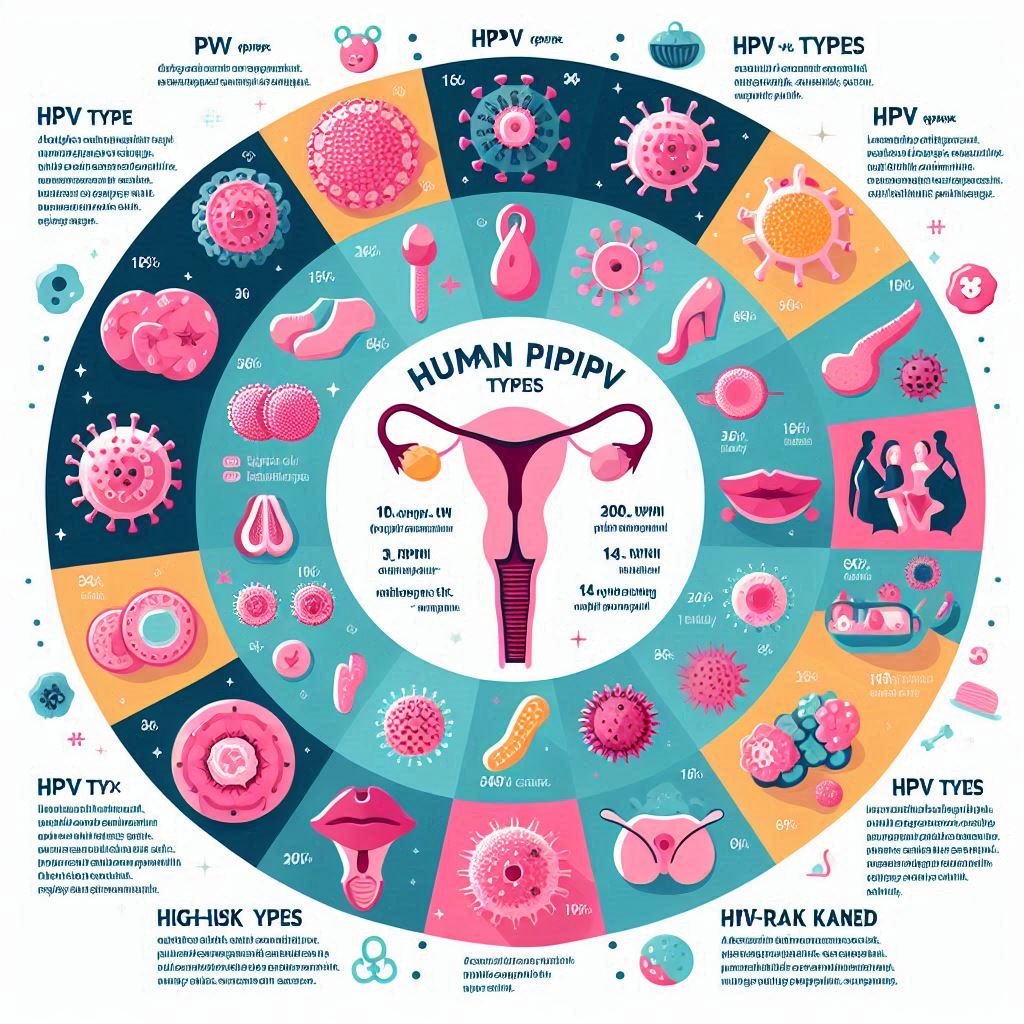
Create an informative and visually engaging infographic illustrating the different types of Human Papillomavirus (HPV). Include a section that highlights the over 200 HPV types, with a focus on the 14 high-risk types. Use simple icons or illustrations to represent each type, and incorporate statistics about HPV prevalence and its association with various cancers, such as cervical, anal, and throat cancers. The color scheme should be vibrant yet professional, making it easy to read and understand, with a clear title at the top reading "Understanding HPV and Its Cancer Risks."

Understanding HPV-Related Cancers: Cancer remains one of the most pressing health challenges around the globe. While there are many contributing factors to cancer, one significant infectious agent that has garnered attention is the Human Papillomavirus (HPV). This sexually transmitted virus is primarily known for its connection to cervical cancer, but its implications extend to several other types of cancers as well. This blog will explore HPV, the cancers associated with it, current prevention and treatment efforts, and what you can do to stay informed and safe. What is HPV? Human Papillomavirus (HPV) is a group of viruses that infect both men and women. There are over 200 types of HPV. Most types do not cause serious health problems. However, about 14 types are classified as “high-risk.” These high-risk types can potentially lead to various cancers. HPV and Cancer Why is HPV a Concern? The concern with HPV lies in the fact that many people who contract the virus do not show symptoms. This means that the virus can spread unknowingly, and individuals may not realize they are at risk of developing cancer until it is too late. High-risk HPV types have oncogenes, specifically E6 and E7, that interfere with the body’s ability to suppress tumors. They work by degrading important tumor suppressor proteins like p53 and pRb, allowing abnormal cells to grow and potentially form cancer. Current Efforts in Prevention and Treatment https://fuelforlife365.com/ Understanding the Biological Mechanisms Research has shown that HPV not only leads to cancer by disabling key cellular checkpoints, but it also alters various cellular processes involved in DNA repair, angiogenesis (formation of new blood vessels), and apoptosis (programmed cell death). Comprehensive analyses of genes involved in DNA repair reveal significant differences between HPV-positive and HPV-negative cancers, indicating that the virus influences how our cells respond to damage. What Can You Do? Being informed is the first step toward prevention. Here are some actions you can take: Conclusion HPV is a widespread virus that can lead to serious health consequences, including various types of cancer. By understanding how HPV works and staying proactive about vaccination and screening, you can protect yourself and encourage others to do the same. Together, we can contribute to a decrease in HPV-related cancers and promote better health outcomes for everyone. Take charge of your health and stay informed!

Nourish to Flourish: Prevent Type 2 Diabetes by Food Groups

Preventing type 2 diabetes is a crucial health goal for many, given the condition's rising prevalence and significant impact on overall well-being. One of the most effective strategies lies in understanding how different food groups influence our risk levels. By focusing on what we eat, we can make informed choices that promote better blood sugar control and overall health. This blog will explore the specific food groups that can help reduce the risk of developing type 2 diabetes, providing practical insights and actionable tips to incorporate these beneficial foods into your diet. Whether you’re looking to prevent diabetes or simply improve your eating habits, understanding the role of food groups is essential for fostering a healthier lifestyle. In recent years, the rising prevalence of type 2 diabetes mellitus (T2D) has become a major global health concern. With the World Health Organization estimating that over 422 million people worldwide are living with this condition, understanding the factors that contribute to T2D risk is more important than ever. One significant factor that plays a crucial role in our risk of developing T2D is our diet. A systematic review and meta-analysis conducted by researchers, including Lukas Schwingshackl and colleagues, provides insightful findings on the relationship between diet and T2D risk. Their comprehensive study explored the impact of 12 major food groups on the likelihood of developing type 2 diabetes. The results were eye-opening and can guide us in making informed dietary choices. https://fuelforlife365.com/ The Food Groups in Focus The study systematically reviewed prospective studies examining the effects of whole grains, refined grains, vegetables, fruits, nuts, legumes, eggs, dairy, fish, red meat, processed meat, and sugar-sweetened beverages (SSB). The conclusions drawn from the analysis shed light on which foods may help reduce T2D risk and which ones could potentially increase it. Foods Linked to a Decreased Risk of T2D 1. Whole Grains: Increasing your intake of whole grains has been consistently associated with a lower risk of developing T2D. Whole grains are packed with nutrients and fiber, which help regulate blood sugar levels and improve satiety. 2. Fruits: Fruits are rich in vitamins, minerals, and antioxidants, making them an essential part of a healthy diet. The research indicates that higher fruit consumption can significantly reduce T2D risk, thanks to their natural sugars and fiber content. 3. Dairy: Consuming dairy products, particularly low-fat varieties, may also contribute to a lower risk of T2D. Dairy is a source of calcium and can be beneficial for maintaining healthy bone and metabolic health. Foods Linked to an Increased Risk of T2D 1. Red Meat: The analysis highlighted that higher consumption of red meat is associated with an increased risk of developing type 2 diabetes. It’s worth considering moderation and opting for leaner sources of protein. 2. Processed Meat: Processed meats, such as sausages and deli meats, also showed a concerning association with increased T2D risk. These products are often high in saturated fats and preservatives, which may contribute to insulin resistance. 3. Sugar-Sweetened Beverages (SSB): Perhaps the most alarming finding is the strong correlation between the intake of sugar-sweetened beverages and T2D risk. These drinks are high in added sugars and calories, leading to weight gain and increased blood sugar levels. For More Information Visit Here The Importance of Balance The study concluded that optimal consumption of risk-decreasing foods can lead to a 42% reduction in the risk of T2D, while consumption of risk-increasing foods may triple the likelihood of developing this condition. This evidence emphasizes the idea that what we eat matters significantly in the context of our health. Making Informed Choices While the results of this meta-analysis are compelling, it's essential to remember that diet is just one factor in the complex puzzle of diabetes prevention. A holistic approach that includes regular physical activity, maintaining a healthy weight, managing stress, and regular health check-ups is equally vital. Final Thoughts As we dive deeper into the nuances of how specific foods impact our health, it becomes increasingly clear that our dietary choices shape our wellbeing. By emphasizing whole grains, fruits, and dairy in our meals while limiting red meat, processed meat, and sugary drinks, we can take significant strides toward reducing our risk of developing type 2 diabetes. So let’s make conscious choices to nourish our bodies and empower ourselves to lead healthier lives. After all, every small change can make a big difference!

Preventing type 2 diabetes is a crucial health goal for many, given the condition’s rising prevalence and significant impact on overall well-being. One of the most effective strategies lies in understanding how different food groups influence our risk levels. By focusing on what we eat, we can make informed choices that promote better blood sugar control and overall health. This blog will explore the specific food groups that can help reduce the risk of developing type 2 diabetes, providing practical insights and actionable tips to incorporate these beneficial foods into your diet. Whether you’re looking to prevent diabetes or simply improve your eating habits, understanding the role of food groups is essential for fostering a healthier lifestyle. In recent years, the rising prevalence of type 2 diabetes mellitus (T2D) has become a major global health concern. With the World Health Organization estimating that over 422 million people worldwide are living with this condition, understanding the factors that contribute to T2D risk is more important than ever. One significant factor that plays a crucial role in our risk of developing T2D is our diet. A systematic review and meta-analysis conducted by researchers, including Lukas Schwingshackl and colleagues, provides insightful findings on the relationship between diet and T2D risk. Their comprehensive study explored the impact of 12 major food groups on the likelihood of developing type 2 diabetes. The results were eye-opening and can guide us in making informed dietary choices. https://fuelforlife365.com/ The Food Groups in Focus The study systematically reviewed prospective studies examining the effects of whole grains, refined grains, vegetables, fruits, nuts, legumes, eggs, dairy, fish, red meat, processed meat, and sugar-sweetened beverages (SSB). The conclusions drawn from the analysis shed light on which foods may help reduce T2D risk and which ones could potentially increase it. Foods Linked to a Decreased Risk of T2D 1. Whole Grains: Increasing your intake of whole grains has been consistently associated with a lower risk of developing T2D. Whole grains are packed with nutrients and fiber, which help regulate blood sugar levels and improve satiety. 2. Fruits: Fruits are rich in vitamins, minerals, and antioxidants, making them an essential part of a healthy diet. The research indicates that higher fruit consumption can significantly reduce T2D risk, thanks to their natural sugars and fiber content. 3. Dairy: Consuming dairy products, particularly low-fat varieties, may also contribute to a lower risk of T2D. Dairy is a source of calcium and can be beneficial for maintaining healthy bone and metabolic health. Foods Linked to an Increased Risk of T2D 1. Red Meat: The analysis highlighted that higher consumption of red meat is associated with an increased risk of developing type 2 diabetes. It’s worth considering moderation and opting for leaner sources of protein. 2. Processed Meat: Processed meats, such as sausages and deli meats, also showed a concerning association with increased T2D risk. These products are often high in saturated fats and preservatives, which may contribute to insulin resistance. 3. Sugar-Sweetened Beverages (SSB): Perhaps the most alarming finding is the strong correlation between the intake of sugar-sweetened beverages and T2D risk. These drinks are high in added sugars and calories, leading to weight gain and increased blood sugar levels. For More Information Visit Here The Importance of Balance The study concluded that optimal consumption of risk-decreasing foods can lead to a 42% reduction in the risk of T2D, while consumption of risk-increasing foods may triple the likelihood of developing this condition. This evidence emphasizes the idea that what we eat matters significantly in the context of our health. Making Informed Choices While the results of this meta-analysis are compelling, it’s essential to remember that diet is just one factor in the complex puzzle of diabetes prevention. A holistic approach that includes regular physical activity, maintaining a healthy weight, managing stress, and regular health check-ups is equally vital. Final Thoughts As we dive deeper into the nuances of how specific foods impact our health, it becomes increasingly clear that our dietary choices shape our wellbeing. By emphasizing whole grains, fruits, and dairy in our meals while limiting red meat, processed meat, and sugary drinks, we can take significant strides toward reducing our risk of developing type 2 diabetes. So let’s make conscious choices to nourish our bodies and empower ourselves to lead healthier lives. After all, every small change can make a big difference!

What is Dengue Fever in Winter: Symptom; organic remedies

infographic that illustrates the life cycle of the Aedes mosquito, the primary vector responsible for dengue fever. Start with the egg stage, showing how the eggs are laid in stagnant water. Next, depict the larval stage, highlighting the wriggling larvae and their aquatic habitat. Follow this with the pupal stage, indicating the transformation process that occurs underwater. Finally, illustrate the adult mosquito, showcasing its distinctive black and white markings, along with an emphasis on its feeding behavior, as it seeks out blood meals from humans, which is crucial for the transmission of the dengue virus. The infographic should be clear and educational, helping viewers understand how each stage contributes to the cycle of dengue outbreaks.

When most people think of dengue fever, they associate it with hot, humid conditions typical of monsoon and tropical climates. However, recent patterns in climate change and urbanization have led to an intriguing and often alarming phenomenon: the presence of dengue fever in winter months. Let’s explore this unexpected occurrence, its implications, and what you can do to protect yourself and your community. The Lifecycle of the Dengue Virus Dengue fever is transmitted primarily by the Aedes aegypti mosquito, which thrives in warm, tropical climates. Traditionally, the virus is most prevalent during the rainy season when standing water creates ideal breeding grounds for these mosquitoes. However, several factors can contribute to the persistence of dengue in winter: Symptoms of Dengue Fever Recognizing the symptoms of dengue is crucial for early diagnosis and treatment. Common symptoms include: In some cases, severe dengue can occur, which can be life-threatening and requires immediate medical attention. Organic Remedies for Managing Dengue Symptoms While there is no specific cure for dengue, there are several organic remedies that may help alleviate symptoms or support recovery when integrated with proper medical care. Here are some organic remedies you might consider: Be sure to consult with a healthcare professional before using any organic remedies, especially in the context of a viral illness like dengue. These remedies should not replace conventional medical treatment, particularly in severe cases. https://fuelforlife365.com/blog/ Prevention Strategies Given the unexpected nature of dengue in winter, preventative measures become all the more essential. Here are some steps you can take to protect yourself and your community: Conclusion The emergence of dengue fever during winter months is a stark reminder of how climate change and human behavior can reshuffle the epidemiology of infectious diseases. By understanding how and why dengue occurs in cooler seasons, we can better prepare and respond to this growing public health challenge. Take proactive measures to protect yourself, and encourage your community to do the same. Together, we can work toward reducing the incidence of dengue, regardless of the season.

What is Breast Cancer: Symptoms, Risk Factors, More IN 2025

"Illustrate key breast cancer symptoms: lump, size/shape changes, skin changes, , and persistent pain. Use clear labels and a supportive tone."

Breast cancer continues to be one of the most frequently diagnosed cancers in women around the globe. Awareness around this disease has significantly increased over the years, leading to more people searching for information about its symptoms, risk factors, early detection methods, and treatment options. In this blog, we will delve into these important aspects of breast cancer, aiming to provide a comprehensive guide for those seeking knowledge about this condition. What is Breast Cancer? Breast cancer develops when cells in the breast start to grow uncontrollably. While it predominantly affects women, men can also be diagnosed with breast cancer, albeit at a much lower rate. Understanding the specifics of breast cancer can empower individuals to seek early detection and appropriate treatment, which can significantly improve outcomes. Breast Cancer Symptoms: What to Look For Being aware of the signs and symptoms of breast cancer is essential for early detection and treatment. Here’s a simple guide to help you understand what to look out for: 1. Feel for a Lump A lump in the breast is one of the most common indicators of breast cancer.If you notice any unusual lump or bump, it’s important to have it checked by a doctor. Remember, not all lumps are cancerous, but it’s better to be safe and get it examined. 2. Notice Changes in Size or Shape If one of your breasts looks different than the other — whether it’s larger, smaller, or a different shape — this could be a warning sign. Any noticeable change, even if it seems minor, should be discussed with a healthcare professional. 3. Look for Skin Changes It’s important to monitor for changes in the skin on your breasts, as alterations such as dimpling, redness, or a puckered appearance can be signs of breast cancer or other breast conditions. If you notice any unusual changes, it’s advisable to consult a healthcare professional. This includes things like redness, swelling, or a dimpled appearance. Such changes may indicate something is not quite right. 4. Watch for Nipple Changes Changes around the nipple area are also worth noting. This could include any unusual discharge (whether it’s clear fluid or blood), a nipple that turns inward (inversion), or any alterations in the skin texture. If you notice these changes, consult with your doctor. 5. Don’t Ignore Pain While not all breast lumps are painful, any consistent pain in or around your breast or nipple should not be overlooked. It’s important to pay attention to your body and seek medical advice if something feels off. Understanding these symptoms can help you catch potential problems early. If you notice any of these signs, it’s important to promptly consult a healthcare professional for evaluation and guidance. Early detection is key in managing breast cancer effectively! Risk Factors for Breast Cancer Knowing the risk factors for breast cancer is important because it can help you assess your own risk and make informed decisions about your health. While some risk factors for breast cancer are beyond our control, such as genetics and age, others can be managed through lifestyle choices, including maintaining a healthy diet, exercising regularly, limiting alcohol consumption, and avoiding tobacco use. Here’s a simple guide to understanding the common risk factors: 1. Gender Breast cancer is significantly more common in women than in men. While men can and do develop breast cancer, the incidence is much lower, with women making up about 99% of breast cancer cases. This disparity is primarily due to the differences in breast tissue and hormonal factors. Men should also be aware of the signs and symptoms of this , as early detection can improve outcomes. 2. Age Yes, that’s true. Age is one of the significant risk factors for breast cancer. The likelihood of developing it increases as a person gets older, with the majority of cases occurring in women over the age of 50. This increased risk is thought to be related to the cumulative effects of exposure to estrogen over time and the natural changes in breast tissue that occur with aging. Regular screenings and awareness of personal risk factors are essential for early detection, especially as one ages. 3. Family History If you have close relatives, like a mother, sister, or daughter, who have had breast cancer, your risk is higher. It’s essential to discuss your family medical history with a healthcare professional, as this can guide further testing or preventative measures. 4. Genetic Mutations Certain inherited changes in genes, particularly the BRCA1 and BRCA2 genes, are linked to a significantly higher risk of breast cancer. If you have a family history of breast or ovarian cancer, genetic testing may be recommended. 5. Hormonal Factors Your hormonal history can also affect your risk. For instance, starting menstruation at an early age, going through menopause later in life, or using hormonal replacement therapy can all contribute to higher risks. 6. Lifestyle Factors Several lifestyle choices can impact your risk for breast cancer: While some risk factors for breast cancer are beyond our control, understanding those we can influence through lifestyle changes empowers us to take action. Maintaining a healthy weight, staying physically active, limiting alcohol, and avoiding smoking are all proactive steps you can take to potentially reduce your risk. Regular check-ups and open conversations with your healthcare provider are also vital in monitoring your breast health. Remember, awareness and prevention play a critical role in fighting breast cancer! Early Detection: The Key to Survival in Breast Cancer When it comes to breast cancer, early detection can make a significant difference in treatment outcomes and survival rates. Catching cancer in its early stages often means a better prognosis and more effective treatment options. Here are some important approaches to ensure you’re staying vigilant about your breast health: 1. Self-Exams Performing regular breast self-exams is a simple yet powerful way to keep track of any changes in your breasts. Getting familiar with how your breasts normally look and feel can help you spot any unusual lumps, changes … Read more

Why Whole Grains Are Essential for a Balanced Diet

whole grains

In recent years, whole grains have gained attention for their numerous health benefits and their crucial role in a balanced diet. As more individuals focus on improving their eating habits, incorporating whole grains has emerged as a fundamental step toward better health. But what exactly is a whole grain diet, and why should you consider adopting it? Let’s explore the importance of whole grains, their health benefits, and ways to incorporate them into your daily meals. What Are Whole Grains? Discover the Power of Whole Grains: Nature’s Nutrient-Packed Goodness Whole grains are like little treasures from the earth! Unlike refined grains, which have been stripped of their valuable parts, whole grains contain all three components of the grain kernel: the bran, germ, and endosperm. This means they’re packed with natural nutrients and fiber that can supercharge your health. So, what exactly are whole grains? You might be surprised to learn just how many delicious options there are! From hearty brown rice to protein-rich quinoa, and the classic favorites like oats and whole wheat, there’s a whole world of grains waiting for you to explore. Here are some common examples: These grains can be enjoyed in countless ways, from hearty breads and comforting pasta to crunchy breakfast cereals and satisfying snacks. By choosing whole grains over refined options, you’re not just making a smart choice for your meals—you’re nourishing your body with the full spectrum of nutrients. So next time you’re at the grocery store or planning your meals, don’t forget to stock up on these wholesome grains. Your body will thank you! Whole grains are packed with essential nutrients that contribute to overall health. Here’s a breakdown of the key nutrients found in common whole grains, along with their health benefits: Nutrient Values in Common Whole Grains 1.Fiber 2. B Vitamins 3. Minerals 4. Proteins 5. Antioxidants 6. Complex Carbohydrates Common Whole Grains and Their Nutritional Profiles Whole Grain Serving Size Calories Fiber (g) Protein (g) Magnesium (% DV) Iron (% DV) Brown Rice 1 cup cooked 218 3.5 5 21% 5% Quinoa 1 cup cooked 222 5.2 8 30% 15% Barley 1 cup cooked 193 6.0 4 19% 4% Whole Wheat Bread 1 slice 69 1.9 3 4% 4% Oats 1 cup cooked 154 4.0 6 14% 10% Farro 1 cup cooked 340 8.0 7 14% 14% Table : Nutritional Profile of Common Whole Grains per Serving Incorporating a variety of whole grains into your diet can provide numerous health benefits due to their rich nutrient profiles. Regular consumption of whole grains is associated with improved heart health, better digestion, and a reduced risk of chronic diseases. To reap these benefits, aim to fill half your plate with whole grains along with other nutrient-rich foods! The Health Benefits of a Whole Grain Diet How Vitamin D Deficiency Can Impact Your Life: Know the Risks To Know More CLICK HERE How to Incorporate Whole Grains into Your Diet Making the switch to a whole grain diet can be easy and enjoyable! With these practical tips, you’ll find it simple to add more whole grains to your meals without feeling overwhelmed: By following these straightforward tips, you can easily incorporate whole grains into your diet and enjoy the myriad benefits they offer. Here’s to nourishing your body and delighting your taste buds! Whole Grains Quiz Here’s a fun quiz to test your knowledge about whole grains. Choose the best answer for each question. 2. Which of the following grains is considered a whole grain? 3. Which whole grain is known for being a complete protein? 4. When selecting whole grain bread, what should you look for on the label? 5. Which of the following is NOT a whole grain? 6. What is one benefit of incorporating whole grains into your diet? How can you easily add whole grains to your snacks? Feel free to share the quiz with friends and family to see how much they know about whole grains! In my opinion, incorporating a variety of whole grains into your diet can significantly enhance both nutrition and flavor. Options like quinoa, farro, and barley not only provide essential nutrients but also offer unique textures and tastes that can elevate everyday meals. Experimenting with different grains in salads, bowls, and side dishes can make healthy eating more enjoyable. Suggestion: Consider starting your day with a bowl of oatmeal or try a quinoa salad for lunch. Mixing whole grains with seasonal vegetables and proteins can create a balanced and satisfying meal. Don’t be afraid to explore new recipes and find combinations that work for your palate! In conclusion, Integrating whole grains into your daily diet is a simple yet effective way to boost your overall health. Their rich nutritional profile, including fiber, vitamins, and minerals, can contribute to improved digestion, sustained energy levels, and reduced risk of chronic diseases. By diversifying your grain choices and experimenting with various recipes, you can enjoy a wide range of flavors and textures while reaping the numerous health benefits that whole grains offer. Remember, small changes in your dietary habits can lead to significant improvements in your well-being. So, embrace the power of whole grains and embark on a delicious journey towards a healthier lifestyle!